
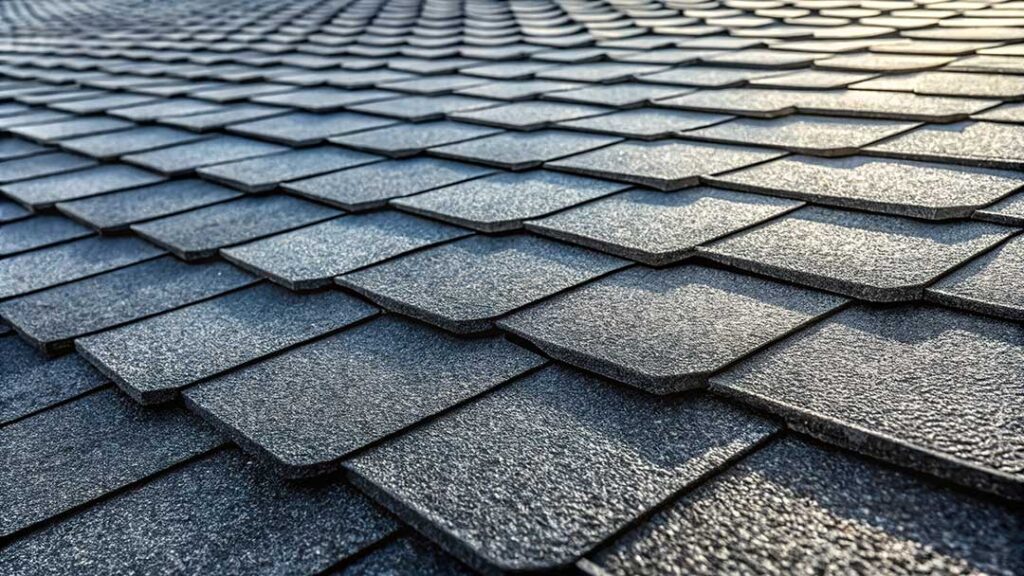
A roof rarely fails all at once. More often, it gives warning through aging shingles, recurring leaks, soft decking, or damage that keeps returning after repairs. Knowing which signs point to normal maintenance and which indicate the need for a full replacement can help homeowners plan before water reaches ceilings, insulation, framing, or electrical systems.
How long should a roof last?
The expected service life depends on the roofing material, installation quality, ventilation, sun exposure, maintenance, and storm history.
Typical ranges include:
- Asphalt shingles: roughly 15 to 30 years
- Architectural asphalt shingles: often 20 to 35 years
- Metal roofing: commonly 40 years or more
- Slate, tile, and some specialty materials: several decades when properly maintained
These are general ranges, not guarantees. A roof exposed to repeated wind, ice, falling branches, poor attic ventilation, or persistent moisture may age faster. A roof that is only 12 years old can still need major work if it has widespread damage, while an older roof may remain serviceable if it has been well maintained.
The installation date is one of the most useful pieces of information. Homeowners who are unsure of the roof’s age may find records in closing documents, building permits, maintenance receipts, or previous inspection reports.
What visible signs suggest that replacement may be near?
Widespread deterioration is more concerning than one isolated defect. Several visible warning signs often indicate that the roof is approaching the end of its useful life.
Look for:
- Shingles that are curling, cracked, blistered, or missing
- Bald areas where the protective granules have worn away
- Large amounts of granules collecting in gutters or near downspouts
- Shingles that appear loose, lifted, or uneven
- Sagging along a roofline or between rafters
- Exposed underlayment or roof decking
- Rusted, damaged, or separated flashing around chimneys, vents, and roof edges
- Moss or algae covering large areas, especially where moisture remains trapped
A few missing shingles after a windstorm may be repairable. In contrast, brittle shingles across multiple slopes, repeated blow-offs, and widespread granule loss suggest that repairs may only delay a larger replacement.
Do roof leaks always mean the roof must be replaced?
No. A single leak does not automatically require a new roof. Leaks can result from damaged flashing, a blocked drainage path, a failed pipe boot, or a small section of storm damage.
The difficulty is that water does not always enter directly above the visible stain. It may travel along roof decking, rafters, insulation, or framing before appearing indoors. A ceiling mark can therefore be larger than the original defect or located several feet away from the entry point.
Replacement becomes more likely when leaks are:
- Appearing in several rooms
- Returning after previous repairs
- Associated with rotted or soft decking
- Located across multiple roof slopes
- Occurring on a roof already near the end of its expected service life
Water stains should not be painted over until the source is addressed and the affected materials have had time to dry. Persistent dampness can contribute to mold growth, wood decay, and insulation damage.
How does winter weather affect roofing in Greene?
Seasonal weather places repeated stress on roofs in this area. Snow accumulation, ice, wind, freezing temperatures, and rapid thawing can expose weak points that were not obvious during mild weather.
Freeze-thaw cycles are especially hard on aging materials. Water enters small cracks, freezes and expands, then opens the defect further when temperatures change. Ice can also form along roof edges when attic heat melts snow unevenly. This may push water beneath shingles or stress flashing and gutters.
After a major winter storm, useful checks include:
- Missing or displaced shingles visible from the ground
- Sagging gutters or separated downspouts
- New ceiling stains or damp attic insulation
- Ice-related damage near roof edges
- Branch impact marks
- Shingle debris around the home
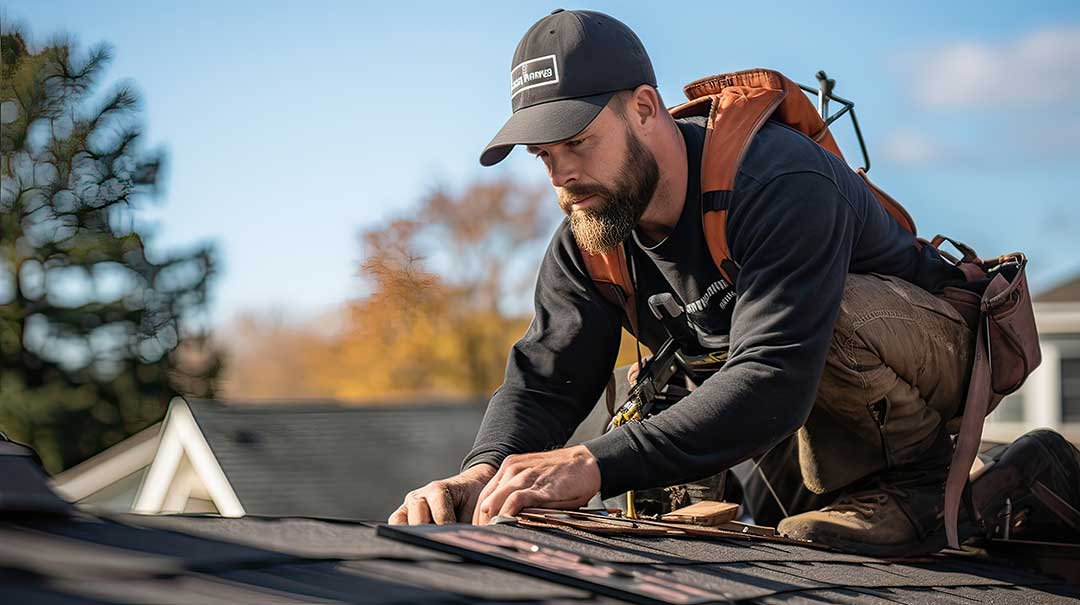
Snow should not be climbed onto or removed casually. Roof surfaces can be slippery, and improvised tools may damage shingles or create a fall hazard. Structural sagging, active leaking, or damage near electrical equipment requires prompt attention because the risk is not limited to the roof covering itself.
Is repeated repair a sign that replacement is needed?
Repeated repairs can indicate that the roof is no longer failing in isolated places. If new problems develop every season, the cost and disruption of patching may no longer provide dependable protection.
A useful way to evaluate the situation is to consider the pattern:
- One minor issue on an otherwise sound roof often supports repair.
- Several unrelated leaks may indicate broader aging.
- Repairs involving large areas of shingles may approach the cost of replacement without providing the same long-term result.
- Repairs to a roof with sagging decking or structural damage do not solve the underlying problem.
The goal is not to replace a roof simply because it has needed one repair. The more meaningful question is whether the roof can continue protecting the home reliably after the repair, or whether deterioration has become widespread.
Can a new layer be installed over the old roof?
Sometimes an additional roof covering may be allowed, but covering an aging roof does not correct hidden problems. It can conceal rotted decking, damaged flashing, inadequate ventilation, or moisture trapped between layers. Added weight may also matter if the existing roof already has multiple layers.
New York’s residential building requirements address roof replacement, roof recovering, structural support, drainage, and installation methods. In Greene, roofing permits are required for roof replacement and roof recovering, while minor repairs and small areas of replacement may be treated differently. Local requirements should be confirmed before work begins because permit rules can apply even when a project appears straightforward.
A complete replacement generally provides an opportunity to inspect the roof deck, replace deteriorated materials, improve flashing details, and address ventilation or drainage concerns instead of covering them.
What should homeowners check before deciding?
Before making a replacement decision, gather basic information:
- Approximate roof age and material
- Locations and frequency of leaks
- History of storm damage and previous repairs
- Condition of attic insulation, ventilation, and roof decking
- Number of existing roofing layers
- Areas where gutters, flashing, or roof edges repeatedly fail
- Whether the roofline appears straight or visibly sagged
An attic inspection can reveal problems that are not visible from the ground, including damp insulation, daylight through the roof deck, darkened wood, and poor airflow. However, walking on a roof is hazardous, particularly when shingles are brittle, wet, icy, steep, or unstable.
Replacement is usually worth planning when the roof is near the end of its expected life and has multiple warning signs, even if it is not actively leaking. Planning ahead allows time to understand code requirements and avoid making decisions during an emergency caused by interior water damage.
What is the clearest sign that replacement cannot wait?
Active water intrusion during rain, visible sagging, extensive storm damage, exposed decking, or a partially collapsed area should be treated as urgent. These conditions can worsen quickly and may affect ceilings, insulation, framing, and household safety.
For less urgent cases, the strongest overall indicator is a combination of age, widespread surface deterioration, and recurring repairs. No single clue determines the answer in every home, but those three factors together usually mean the roof has moved beyond routine maintenance and should be evaluated as a replacement project.
