
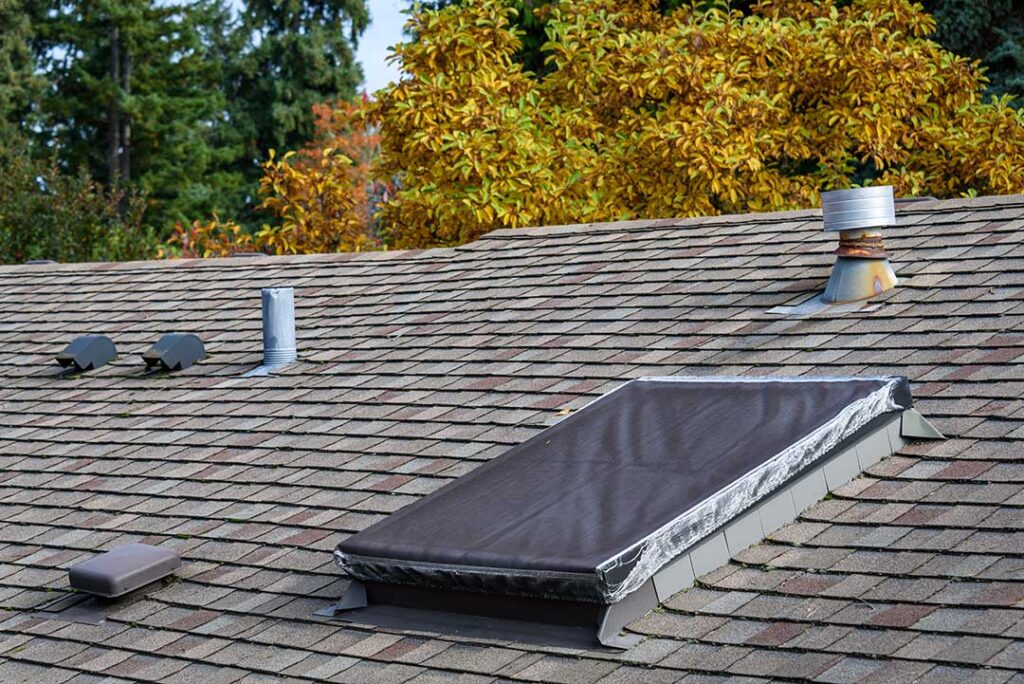
Why does sun exposure matter for a roof?
Sun exposure gradually affects roofing materials through ultraviolet radiation, heat, and repeated temperature changes. The damage usually develops slowly, but it can shorten the useful life of shingles, dry out exposed components, and make small weaknesses easier for rain, snow, and ice to exploit.
For homeowners in Greene, NY, sunlight is only one part of the roof’s environment. A roof may face bright summer heat, humid conditions, autumn debris, winter cold, snow, and spring temperature swings within the same year. The side of the roof that receives the strongest afternoon sun may age differently from a shaded or north-facing section.
Sun does not usually destroy a sound roof quickly. Instead, it adds stress over many seasons. Recognizing the early signs helps distinguish normal aging from conditions that may allow water to enter the roof system.
How does ultraviolet light damage roofing materials?
Ultraviolet, or UV, radiation breaks down the chemical bonds in many roofing materials. On asphalt shingles, this can gradually dry the surface, reduce flexibility, and weaken the protective coating that surrounds the shingle granules.
Common signs of UV-related aging include:
- Faded or uneven color
- Exposed areas where granules have worn away
- Brittle or cracked shingle edges
- Small surface splits
- Curling, cupping, or loss of flatness
- Granules collecting in gutters or at downspout outlets
A change in color alone does not prove that a roof is failing. Some fading is expected as shingles age. More useful warning signs include widespread granule loss, cracking, exposed fiberglass mat, or shingles that no longer lie flat.
UV exposure can also affect roof flashing, pipe collars, sealants, and other components. These materials may become dry or less flexible before the main roofing surface appears severely worn.
Why does the sunny side of a roof often age faster?
The roof plane that receives the most direct sunlight generally experiences more heat and UV exposure. In many homes, a south-facing slope receives strong sunlight for much of the day, while an east-facing slope receives more morning sun and a west-facing slope receives stronger afternoon heat.
The most exposed slope is not always the first to fail. Roof pitch, nearby trees, neighboring structures, attic ventilation, roof color, and local wind patterns also affect aging. A steep roof may shed water and snow more easily, while a shallow roof can remain wet longer after rain or melting snow.
Shade creates a different set of concerns. A shaded roof may stay cooler, but it can dry more slowly and may support moss or algae growth when moisture remains on the surface. Sun and shade can therefore produce different types of wear on the same building.
How does heat affect shingles and the roof deck?
Dark roofing materials can become much hotter than the surrounding air under direct sunlight. That heat can soften asphalt-based materials during the day and contribute to expansion. After sunset, the roof cools and contracts. Repeated expansion and contraction can gradually stress shingles, fasteners, flashing, sealants, and joints.
Heat may also increase the temperature in an attic. If the attic is poorly ventilated, excess heat can remain trapped against the underside of the roof deck. Over time, this may contribute to:
- Premature aging of shingles
- Warping or deterioration of roof sheathing
- Higher indoor temperatures
- Greater strain on air-conditioning equipment
- Moisture problems when warm air meets cooler surfaces
Proper attic ventilation does not make a roof immune to sun damage, but it can help moderate heat and moisture conditions. Ventilation should work with adequate insulation and air sealing. Adding vents without considering the entire attic assembly does not automatically solve heat buildup.
Can sun exposure cause roof leaks?
Sun exposure can contribute to leaks, but sunlight alone is rarely the immediate cause. UV damage and heat may weaken shingles or sealants until rain, wind, snow, or ice finds an opening.
Leaks may develop when:
- Shingles crack or lose their protective surface
- Flashing becomes brittle or separates
- Pipe collars shrink or split
- Roof cement dries and pulls away
- Wind lifts already-weakened shingles
- Ice and water enter vulnerable edges or penetrations
Water stains on an attic ceiling or upper wall should not be judged only by the location of the stain. Water can travel along roof decking, rafters, insulation, or framing before appearing indoors. A small stain may reflect a larger problem higher up the slope.
Do roof colors affect sun-related aging?
Roof color affects how much solar energy the surface absorbs. Darker materials generally become hotter in direct sun, while lighter materials reflect more sunlight and may remain somewhat cooler.
Color is only one factor in roof performance. Material quality, installation, ventilation, pitch, attic insulation, and exposure to wind and moisture also matter. A lighter roof is not automatically better for every home, and a dark roof is not automatically defective.
Color fading can be more noticeable on roofs that receive strong, uninterrupted sunlight. Uneven fading may occur where part of a roof is shaded by trees or nearby structures. This difference in appearance is usually cosmetic unless it occurs alongside cracking, curling, or significant granule loss.
What should residents look for during a roof inspection?
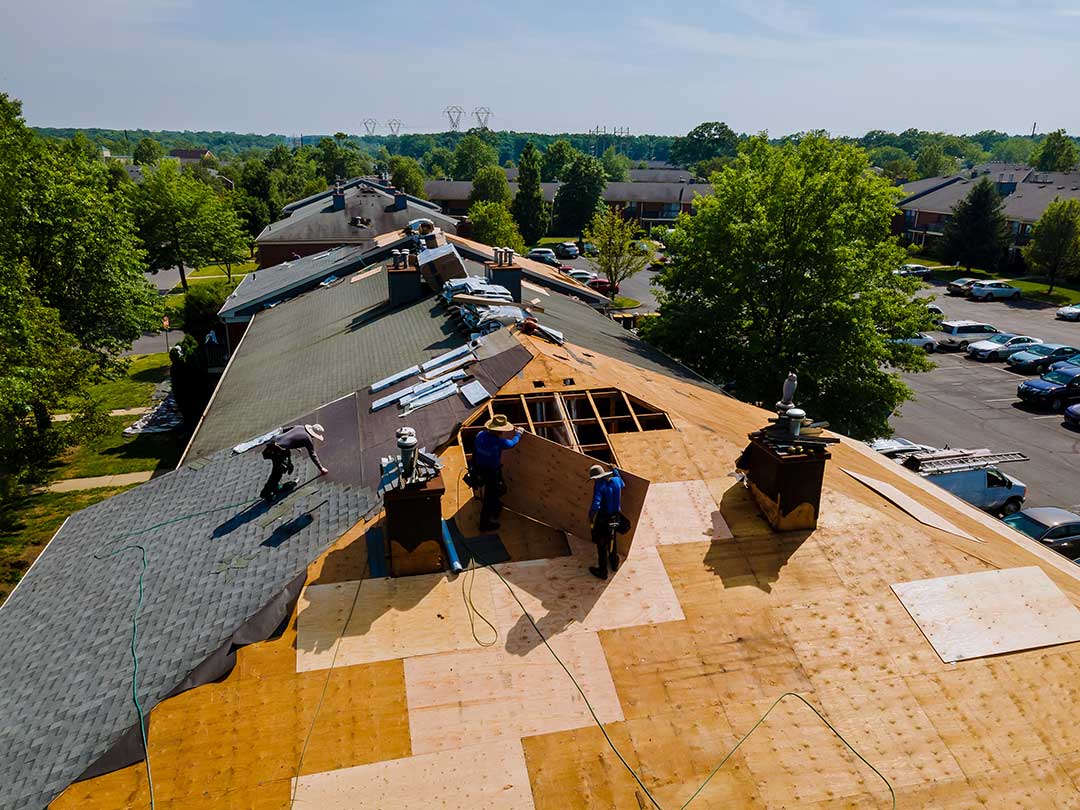
A safe visual inspection from the ground or from an accessible window can reveal useful information. Binoculars can help identify surface changes without walking on the roof.
Look for:
- Areas with missing, lifted, or visibly cracked shingles
- Uneven discoloration between roof slopes
- Bare patches where granules are missing
- Rusted or separated flashing
- Damaged pipe boots or vent seals
- Sagging roof lines
- Granules accumulating in gutters
- Daylight visible through the attic roof deck
- Damp insulation, staining, or musty odors in the attic
A roof should not be walked on when it is wet, icy, steep, or otherwise difficult to access. Walking on brittle or heat-softened shingles can cause damage that was not present before the inspection.
How can sun-related roof damage be reduced?
Sun exposure cannot be eliminated, but its effects can be managed through routine observation and sound roof design. Keeping gutters clear helps water leave the roof instead of remaining near weakened areas. Trimming branches that scrape the surface can reduce both abrasion and excessive debris.
It is also useful to watch areas where different materials meet, such as:
- Roof-to-wall intersections
- Valleys
- Skylights
- Chimneys
- Plumbing penetrations
- Eaves and rakes
- Areas beneath roof-mounted equipment
These locations often experience more movement, water flow, or sealant aging than the middle of an open shingle field.
For homes in the local community, seasonal checks are especially practical after winter and after periods of strong summer storms. A roof that appears acceptable from the ground may still have hidden damage, while a roof with surface fading may remain watertight. The condition of the shingles, flashing, decking, and attic together gives a more accurate picture than appearance alone.
When does sun damage indicate a larger roofing problem?
Sun-related wear deserves closer attention when it is widespread, rapidly changing, or combined with interior moisture. A few faded shingles may reflect ordinary aging, but extensive brittleness, recurring leaks, exposed roof decking, or large areas of missing granules suggest that the roofing system may be losing its protective function.
Roof age also matters, although age by itself does not determine performance. A newer roof with poor ventilation or severe exposure can deteriorate early, while an older, well-maintained roof may remain serviceable. The most useful assessment considers visible condition, past repairs, attic conditions, weather exposure, and whether the roof still sheds water reliably.
IMAGE_ALT:
Sunlit asphalt shingles show fading, granule loss, and cracked edges on a residential roof.
