

Roof damage rarely stays limited to the original problem. A missing shingle, small leak, damaged flashing, or sagging section can allow water, wind, and freezing temperatures to affect roofing materials, insulation, framing, ceilings, and indoor air quality. For households in Greene, NY, seasonal weather makes prompt attention especially important.
What happens if a small roof problem is ignored?
A minor roof defect can become a larger building problem because water often travels away from the visible entry point. A ceiling stain may appear several feet from the damaged shingle, while moisture can move along rafters, roof decking, insulation, or wall cavities.
Common consequences include:
- Wet or deteriorated roof decking
- Stained, softened, or crumbling ceilings
- Damaged attic insulation
- Rot in rafters or wall framing
- Peeling paint and damaged drywall
- Mold growth in damp, poorly ventilated areas
- Higher repair costs after repeated water exposure
A roof does not need to be actively dripping inside the home to be causing damage. Slow leaks may only become noticeable after heavy rain, melting snow, or a change in wind direction.
How does neglected roof damage affect the structure?
Roofing materials protect the structural parts of a house from water. Once that protection is compromised, repeated moisture can weaken the wood beneath the roof surface.
Roof decking may swell, delaminate, or lose its ability to hold fasteners securely. Rafters and trusses can deteriorate when they remain damp over long periods. In advanced cases, the roof may begin to sag, creating a visible warning that the supporting structure has been affected.
Structural damage is not always dramatic at first. Warning signs can include:
- A dip or uneven area visible from the ground
- Ceiling or wall cracks near the upper floors
- Doors that begin sticking without another obvious cause
- Nail pops, bubbling paint, or soft drywall
- Musty odors in the attic
- Daylight visible through roof boards
People should avoid walking on areas that appear soft, sagging, or unstable. Damaged roof surfaces can give way, especially after prolonged moisture exposure.
Why are Greene, NY winters hard on neglected roofs?
Cold weather does not usually create every roofing problem, but it can worsen existing weaknesses. In Greene, NY, roofs may face snow, ice, freeze-thaw cycles, strong wind, and heavy rainfall across different parts of the year.
Water can enter small openings and freeze. As it expands, it may widen cracks or loosen roofing materials. Repeated freezing and thawing can also stress flashing, sealants, masonry near roof edges, and areas around vents or chimneys.
Snow itself is not automatically a structural emergency, but accumulated snow adds weight. The risk becomes greater when the roof already has damaged decking, weakened framing, poor drainage, or areas where snow collects unevenly.
Ice dams can create another problem. They form when heat escapes into the attic, melts snow on the warmer upper roof, and allows water to refreeze near colder eaves. The trapped water may move beneath roofing materials and enter the attic or walls.
Can a neglected leak create indoor air-quality problems?
Yes. Persistent moisture can contribute to mold growth, particularly in dark, damp areas with limited air movement. Attic insulation, roof decking, wall cavities, and ceiling materials may remain wet even after the surface appears dry.
Mold is not the only concern. Damp insulation can lose effectiveness, making rooms harder to heat. Moisture can also cause wood odors, deteriorate building materials, and create conditions that attract insects or other pests.
A ceiling stain should not simply be painted over. Painting may hide the discoloration temporarily while moisture continues above it. The source of the water and the condition of the surrounding materials need to be understood first.
Which roof problems should be treated as urgent?
Some conditions deserve prompt attention because they can allow rapid water entry or create a safety hazard.
Urgent warning signs include:
- Water entering living areas during rain
- A large or spreading ceiling stain
- A visibly sagging roof or ceiling
- Missing shingles after strong wind
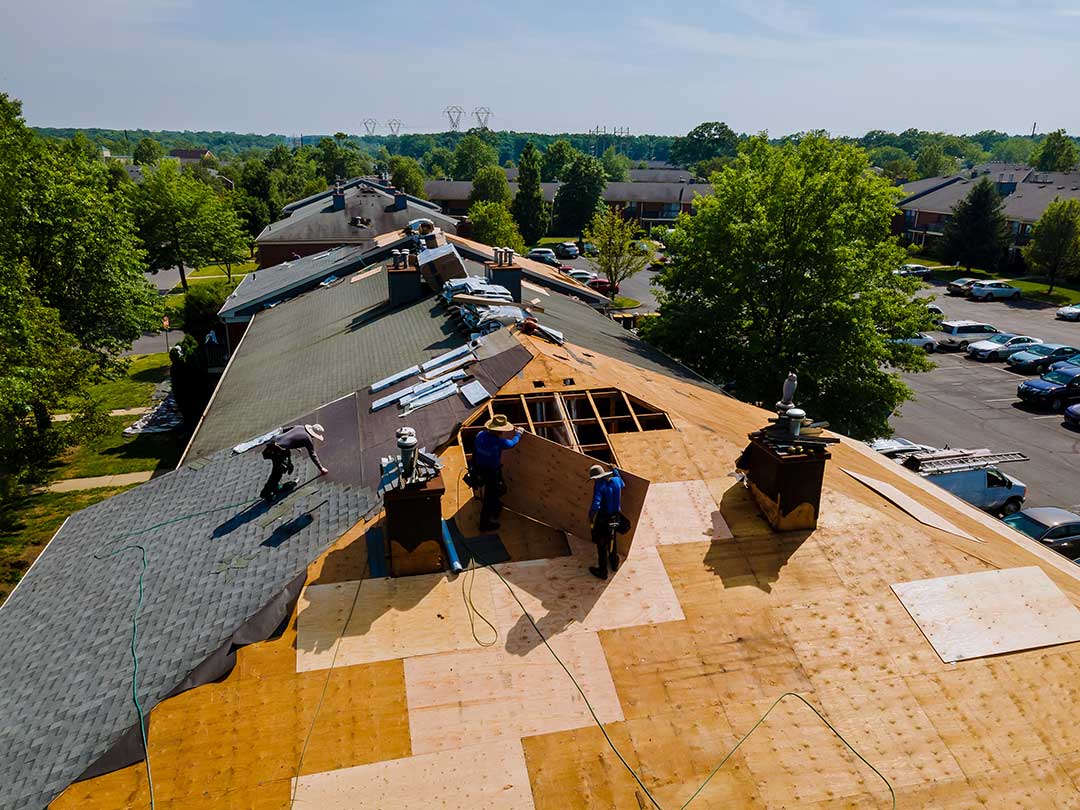
- Exposed underlayment or roof decking
- Damaged flashing around roof openings
- Tree limbs resting on or against the roof
- Electrical fixtures affected by water
- Heavy ice buildup combined with interior leaking
If water is near electrical outlets, light fixtures, wiring, or electrical equipment, avoid touching wet components. Turn off power only if it can be done safely, and keep people away from the affected area until the hazard is controlled.
Roof surfaces become especially dangerous when wet, icy, or covered with snow. Climbing onto a roof without appropriate fall protection can result in serious injury. A pair of binoculars or a ground-level inspection is safer for identifying visible damage.
Does a roof need repair if there is no interior leak?
Not necessarily every roof defect causes immediate indoor damage, but the absence of a ceiling stain does not prove that the roof is sound. Some water is absorbed by insulation or framing before it reaches the interior finish.
A roof may also have damage that affects its remaining service life without allowing water inside yet. Examples include cracked shingles, exposed fasteners, lifted flashing, deteriorated rubber seals, and worn areas around vents.
After strong wind, it is useful to inspect the ground for shingle pieces, metal flashing, or roofing debris. However, ground-level observations cannot reveal every problem. Attic checks can sometimes show damp insulation, darkened wood, rusted fasteners, or daylight entering through the roof assembly.
How can homeowners reduce damage while waiting for repairs?
Temporary steps can limit additional water intrusion, but they are not permanent repairs.
If a leak is active, place containers beneath drips and move furniture or belongings away from the affected area. Take photographs of visible damage for household records. If safe, gently remove standing water from floors and ventilate damp rooms without creating an electrical hazard.
Do not cover a roof with loose plastic, climb onto icy surfaces, or use household sealants as a substitute for proper repair. Improper temporary work can trap moisture, damage roofing materials, or create a fall risk.
For minor visible damage that is not actively leaking, keeping the attic and upper floors under observation may help identify whether the problem changes after rain or snowmelt. Interior stains should be marked with the date so spreading can be recognized.
How often should a roof be checked?
A roof should be observed from the ground several times a year and after severe weather. More careful attention is useful in spring, after winter ice and snow, and in autumn when leaves can collect in valleys and drainage areas.
An inspection is also warranted when the home develops:
- New ceiling stains
- Persistent attic odors
- Unexplained increases in heating or cooling difficulty
- Drafts near the attic
- Granules collecting in gutters or downspouts
- Repeated ice buildup along the eaves
- Visible roof movement during strong wind
Regular observation does not eliminate the need for repair, but it can reduce the chance that a small defect remains unnoticed until structural or interior damage develops. For residents, the central lesson is straightforward: a roof problem that appears minor from the ground may be allowing moisture to affect hidden parts of the home, and winter weather can make delayed damage substantially more difficult to manage.
