
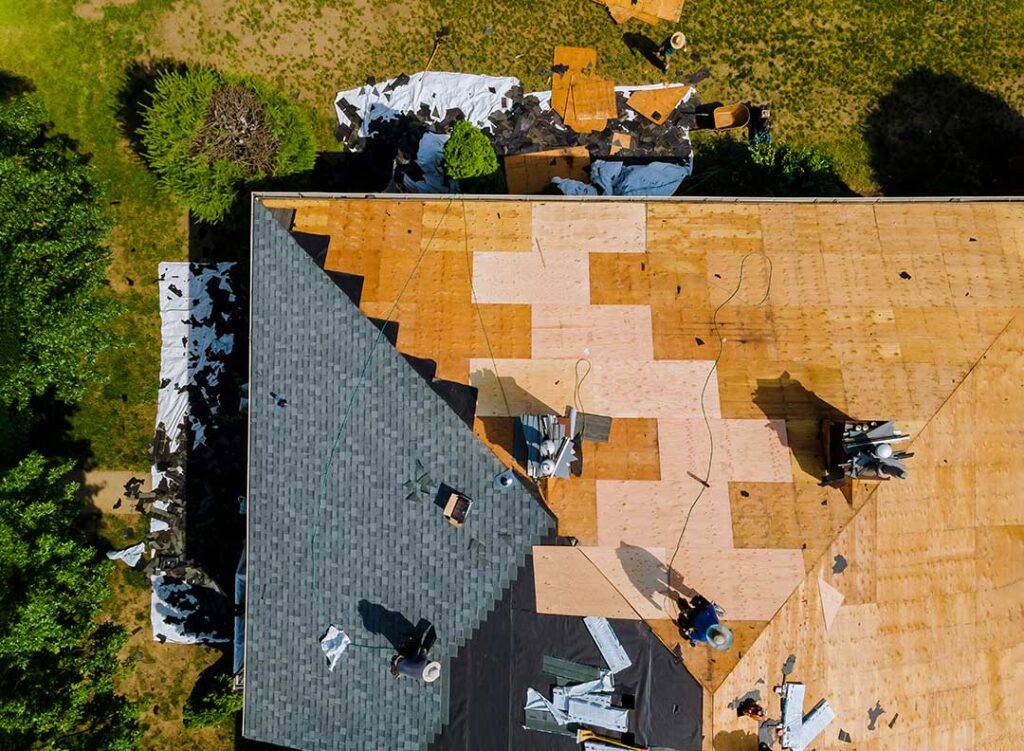
Hurricane season generally runs from June 1 through November 30, and storms that reach Greene, NY may arrive as weakened hurricanes or tropical storms. Even after wind speeds decrease, heavy rain, falling branches, clogged drainage systems, and power outages can still threaten a home.
Preparing the roof before a storm is easier and safer than attempting repairs after high winds begin. A careful inspection, proper drainage maintenance, and attention to nearby trees can reduce the chance of water entering the house.
What should be checked on a roof before hurricane season?
The roof should be examined for conditions that could allow wind or rain to cause damage. Look for missing, cracked, curled, loose, or lifted shingles, as well as exposed fasteners and damaged flashing around roof penetrations.
Important areas to inspect include:
- Shingles along roof edges, ridges, valleys, and wind-facing slopes
- Flashing around chimneys, vents, skylights, and wall intersections
- Rubber boots or seals around plumbing vents
- Ridge vents, soffit vents, and other ventilation components
- Fascia boards, drip edges, and the roof-to-gutter connection
- Signs of algae, moss, staining, or soft areas
- Attic daylight, damp insulation, or water marks on roof framing
A few damaged shingles may seem minor, but an opening can allow wind to lift surrounding materials. Water may also travel beneath roofing layers and appear inside the home far from the original entry point.
Do not walk on a steep, wet, or visibly damaged roof. A ground-level inspection using binoculars is safer for many homeowners. Roof access, ladder work, and repairs may require qualified assistance when conditions are unstable or fall hazards are present.
Why are gutters and downspouts part of hurricane preparation?
Gutters and downspouts help move large amounts of rain away from the roof, walls, foundation, and basement. If they are blocked by leaves, twigs, or sediment, stormwater can overflow against the house or back up beneath the roof edge.
Before storm season:
- Remove debris from gutters and downspouts.
- Confirm that downspouts discharge several feet away from the foundation where practical.
- Check for sagging sections, separated seams, loose hangers, and damaged outlets.
- Make sure downspouts are not crushed or blocked underground.
- Inspect splash areas for erosion or standing water.
- Secure loose extensions so they do not become storm debris.
In Greene, heavy rain can create flooding concerns even when a storm is no longer classified as a hurricane. A functioning roof drainage system cannot prevent every flood, but it can reduce avoidable water concentration around the home.
How should trees and outdoor items be handled?
Branches that overhang the roof can break during strong wind and damage shingles, gutters, vents, or skylights. Dead limbs and weakened trees are especially concerning, as are branches that already rub against the roof or utility lines.
Keep trees and shrubs trimmed away from roof surfaces where possible. Do not attempt to remove large, unstable, or utility-line-adjacent branches from a ladder. Tree work can create serious fall and electrical hazards.
Outdoor objects should also be secured or stored before a storm warning becomes urgent. Patio furniture, planters, ladders, tools, decorative items, loose fencing, and building materials can become airborne. A branch or loose object may damage the roof more severely than the wind itself.
Roofing materials stored outdoors should be covered and secured, but lightweight coverings should not be left loose. Plastic sheets, tarps, and temporary panels can tear free and create additional hazards.
Are older roofs more vulnerable during a hurricane?
Age alone does not determine whether a roof will withstand a storm. Installation quality, maintenance history, material condition, roof shape, exposure, and previous weather damage all matter.
Older roofing deserves closer attention because sealants may have dried out, fasteners may have loosened, and repeated freeze-thaw cycles may have weakened flashing or underlayment. Greene homes also face a combination of seasonal stresses, including winter ice, snow, spring moisture, summer thunderstorms, and autumn rain.
A roof does not need to be visibly leaking to have storm vulnerabilities. Warning signs include:
- Shingles that are brittle or losing surface granules
- Repeated repairs in the same area
- Water stains that appear after wind-driven rain
- Sagging roof lines or soft decking
- Loose chimney caps or masonry components
- Gutters pulling away from the fascia
- Persistent dampness in the attic
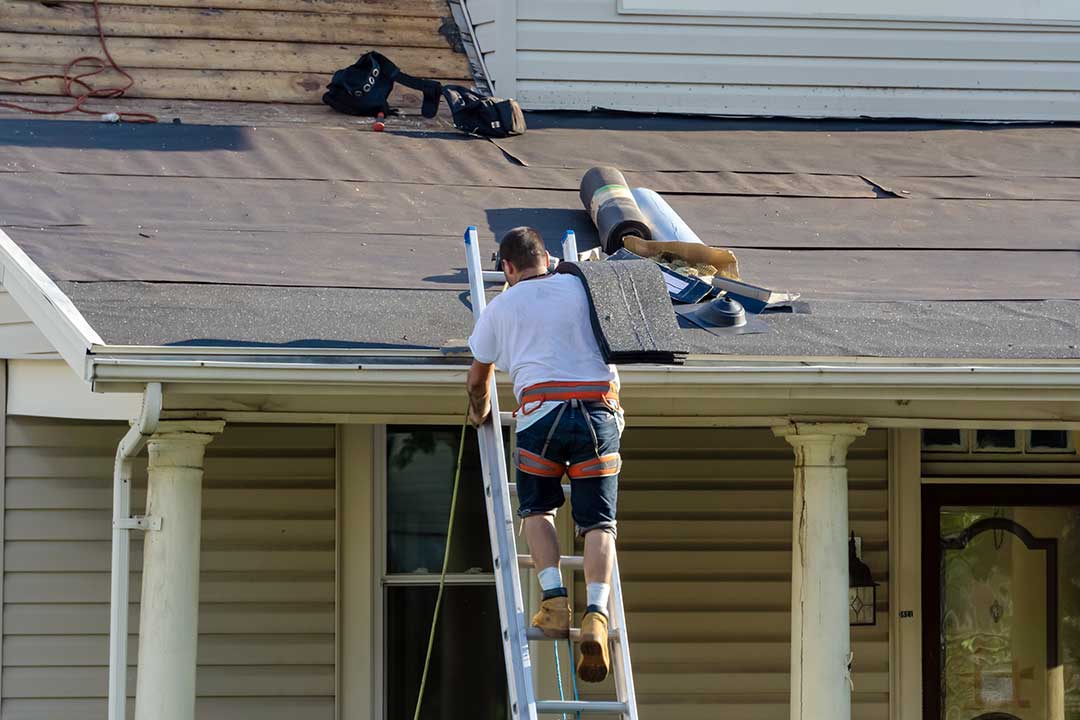
If a roof has known defects, repairs should be completed before a storm is approaching. Work performed during an emergency may be limited by weather, material availability, power outages, and unsafe conditions.
What can be done inside the attic?
The attic can reveal problems that are difficult to see from outside. Inspect for damp insulation, mold-like growth, rusted nails, darkened wood, daylight through the roof deck, and evidence of past leaks.
Make sure stored items do not block soffit or ridge ventilation. Do not cover vents with boxes, insulation, or plastic. Good ventilation will not stop hurricane damage, but blocked airflow can contribute to moisture problems and roof deterioration over time.
If the roof begins leaking during a storm, place containers beneath drips only if it is safe to do so. Keep away from wet electrical fixtures, ceiling areas that are bulging, and locations where water may be near wiring. Do not climb onto the roof during high winds or lightning.
Should a tarp be placed over a damaged roof?
A tarp may provide temporary protection after a storm, but installing one during strong wind is dangerous. A loose tarp can also tear roofing materials away or allow water to collect beneath it.
If emergency covering is necessary, wait until authorities indicate that conditions are safe. Avoid walking on wet or structurally damaged sections. Photograph damage from the ground when possible, and keep records of the date, location, and apparent source of the problem.
A temporary covering is not a substitute for repairing damaged shingles, flashing, decking, or roof penetrations. Water can continue entering through small openings even when the interior leak temporarily stops.
What should households do just before severe weather arrives?
Complete outdoor preparations before winds become strong. Once tropical-storm-force winds begin, ladders, tools, and loose materials become dangerous to use.
Before the storm:
- Clear gutters and confirm downspout flow.
- Store or secure outdoor objects.
- Close and latch windows, doors, and garage doors.
- Move valuable belongings away from likely leak areas.
- Keep flashlights, batteries, drinking water, medications, and weather information accessible.
- Know how to shut off electricity, gas, and water if authorities advise it.
- Keep vehicles and emergency routes clear.
- Follow official warnings and evacuation instructions.
Do not use a generator, grill, or fuel-burning appliance inside a home, basement, garage, or enclosed porch. Carbon monoxide can build up quickly, even when doors or windows appear partly open.
What should be checked after the storm?
Wait until conditions are safe before inspecting the property. Look for missing roofing, exposed underlayment, damaged vents, fallen branches, separated gutters, ceiling stains, and new attic moisture.
Stay away from downed power lines and damaged trees. Avoid walking through standing water because it may conceal electrical hazards, unstable ground, or contaminated debris.
If the roof is leaking, limit interior damage with containers and move belongings only when safe. Do not assume a leak is minor because the ceiling stain is small. Wind-driven rain can travel through insulation and framing before becoming visible.
Preparing the roof before hurricane season is mainly a matter of finding weak points early, keeping rainwater moving away from the structure, and removing objects that could strike the home. Those steps are useful throughout the year in Greene, particularly before periods of heavy rain and strong thunderstorms.
