
Winter preparation helps a roof handle snow, ice, wind, freezing temperatures, and repeated thawing without avoidable problems. In Greene, NY, the most useful preparation is completed before the first sustained snowfall, when small defects are easier to see and safer to address.
What should be checked before winter?
A pre-winter roof check should focus on drainage, damaged materials, flashing, attic conditions, and areas where water could enter. A roof does not need to look severely worn to develop a leak during a snow or ice event.
From the ground, look for:
- Missing, cracked, curled, or visibly loose shingles
- Dark areas or sagging sections on the roof surface
- Damaged ridge caps or exposed fasteners
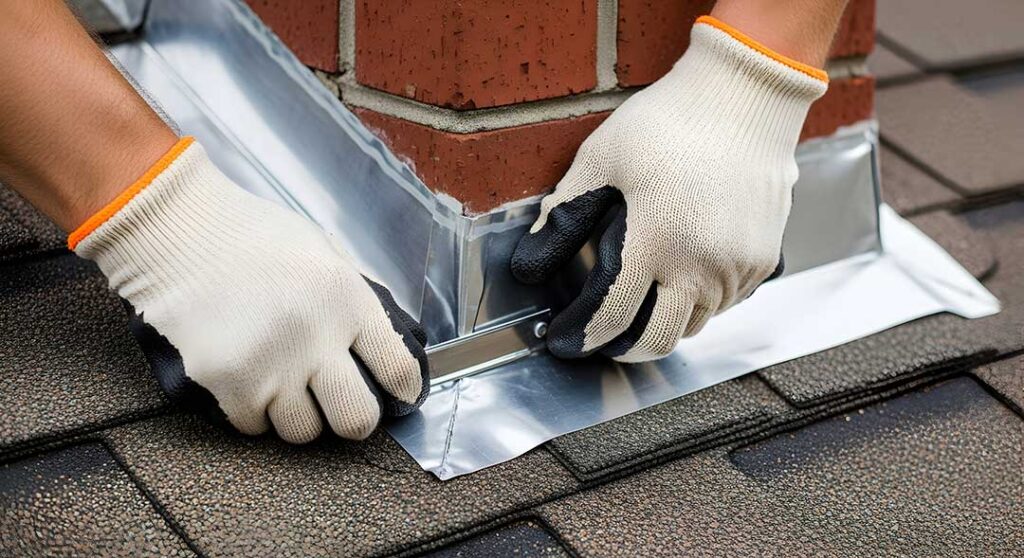
- Loose metal flashing around chimneys, vents, skylights, and roof edges
- Gutters pulling away from the house
- Downspouts that appear disconnected or blocked
- Tree limbs resting near or over the roof
A pair of binoculars can make this inspection easier without requiring anyone to climb onto a wet, cold, or steep surface. Roof work becomes especially hazardous after frost, snow, or ice arrives.
Why do gutters and downspouts matter in winter?
Clean gutters help meltwater leave the roof instead of collecting along the eaves and refreezing. Blocked gutters can contribute to ice buildup, overflowing water, wet fascia boards, and leaks near the roof edge.
Before winter, remove leaves, needles, and sediment from the entire gutter system. Check that downspouts discharge water away from the foundation and that their connections are secure. Extensions should remain positioned so water does not empty directly beside the house.
A gutter can be clean and still drain poorly if it has sagged or lost its slope. After cleaning, check for standing water or sections that remain full. Problems are easier to correct before freezing temperatures turn trapped water into ice.
Gutter guards are not a substitute for maintenance. Small debris can still collect above or below them, and some systems require seasonal inspection.
How can attic ventilation and insulation reduce winter problems?
A properly insulated and ventilated attic helps keep roof temperatures more consistent. This can reduce heat loss, moisture accumulation, and uneven snow melting that may contribute to ice dams.
Warm air escaping into an attic can heat the underside of the roof. Snow then melts in patches, flows toward colder roof edges, and refreezes there. Over time, this ice can obstruct drainage and push water beneath roof coverings.
Check the attic for:
- Damp insulation or water staining
- Frost on nails or roof sheathing
- Mold-like discoloration or musty odors
- Blocked soffit vents
- Bathroom or kitchen exhaust ducts that end inside the attic
- Gaps around wiring, plumbing, chimneys, or attic hatches
Insulation should not block intended ventilation channels at the eaves. Exhaust fans should vent outdoors through properly sealed ducts, not into the attic space. Improving attic performance may involve more than adding insulation; airflow and air sealing must be considered together.
Should roof vents be covered during cold weather?
Roof vents should generally remain open and functional through winter. Covering them can trap moisture in the attic and interfere with the movement of air needed to control condensation.
Different roof systems use different combinations of ridge, soffit, gable, turbine, or static vents. Vents should be checked for physical damage, nests, leaves, and snow blockage. Snow should not be piled against a vent or used to seal an opening.
A roof vent is not the same as a plumbing vent. Plumbing vents may become blocked by snow or frost in unusual conditions, which can affect household drainage and indoor air pressure. If sinks drain poorly or plumbing fixtures behave strangely during a cold spell, the issue may not be limited to the roof surface.
What roof repairs should be completed before snow arrives?
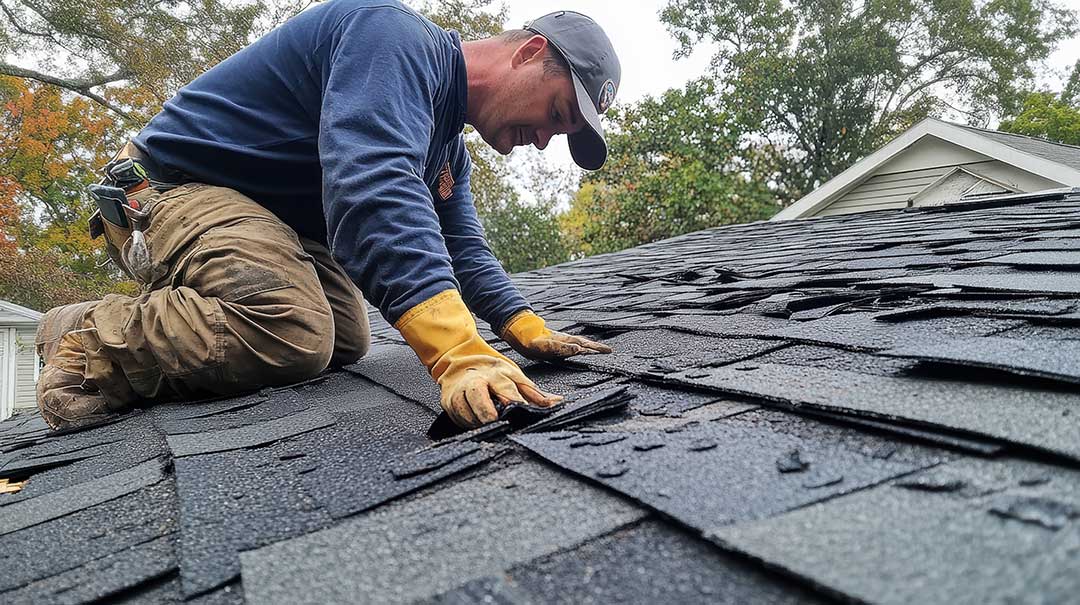
Small defects should be addressed before winter weather makes them harder to locate. Missing shingles, open seams, cracked flashing, and deteriorated sealant can allow wind-driven rain or melting snow to enter.
Priority should be given to areas around:
- Chimneys
- Plumbing vents
- Skylights
- Roof valleys
- Wall-to-roof intersections
- Porches and additions
- Lower roof sections below upper slopes
Temporary patches may not withstand months of wind, freezing, and thawing. Repairs should match the existing roof system and account for how water, snow, and ice move across the surface.
If a roof has widespread granule loss, repeated leaks, sagging decking, or significant structural damage, a more thorough evaluation may be necessary. Sagging should not be treated as a cosmetic concern because it can indicate problems with the roof deck, framing, or accumulated moisture.
How should trees and branches be handled?
Branches that touch or overhang a roof can scrape shingles in the wind, drop debris into gutters, and break under snow or ice. Trees also create shaded areas where snow and ice may remain longer.
Before winter, inspect branches near the roof, especially those above entrances, parked vehicles, utility lines, and frequently used walkways. Do not attempt to cut large, heavy, unstable, or utility-adjacent branches from a ladder. The risk increases sharply when branches are under tension or coated with ice.
Keeping nearby trees maintained also reduces the amount of leaves and small debris entering the drainage system during late autumn.
What should homeowners know about snow and ice on the roof?
Most roofs are designed to carry ordinary seasonal snow loads, but conditions vary based on roof design, structure, snow density, drifting, and the age of the building. Wet snow is considerably heavier than fresh, powdery snow.
Avoid climbing onto a snow-covered roof. Walking on shingles in cold weather can damage brittle materials and creates a serious fall hazard. Snow should not be removed by striking the roof with a shovel, axe, or other hard tool.
Roof raking from the ground may be appropriate for some low-slope sections, but it must be done carefully to avoid damaging shingles, gutters, siding, and people below. Heavy drifting, unusual deflection, cracking sounds, or doors and windows that suddenly bind can signal a structural concern requiring prompt attention.
Ice dams should not be chopped apart with tools. Breaking ice can damage roof coverings and send heavy pieces falling from the eaves. Heat cables, where appropriate, must be installed and used according to their instructions; they are not a replacement for correcting attic heat loss or blocked drainage.
What indoor signs may indicate a winter roof problem?
Roof trouble may first appear inside the home. After heavy snow, strong wind, or a thaw, inspect ceilings, upper walls, attic areas, and the spaces around skylights and chimneys.
Warning signs include:
- New brown or yellow ceiling stains
- Damp insulation
- Peeling paint near exterior walls
- Dripping around attic penetrations
- Musty smells
- Icicles paired with indoor moisture or ceiling staining
- Water appearing several feet away from the visible roof defect
Water can travel along roof decking, rafters, insulation, and wall cavities before becoming visible. The location of an interior stain may not identify the exact entry point.
If water is actively entering near electrical fixtures, keep clear of the area and address the immediate electrical hazard before investigating the roof. Winter conditions can also make exterior inspection unsafe, so serious leaks or structural warning signs may require qualified assistance.
What is the simplest winter roof checklist?
Before sustained snow and freezing weather, confirm that:
- Roof coverings appear intact from a safe viewing location
- Flashing and roof penetrations show no obvious openings
- Gutters and downspouts are clear and secure
- Downspouts direct water away from the foundation
- Attic vents are unobstructed
- Bathroom and kitchen exhaust ducts vent outdoors
- Attic insulation is dry and properly positioned
- Nearby branches are not threatening the roof
- Interior ceilings and upper walls show no new stains
- A safe plan exists for responding to heavy snow, ice, or a leak
Preparing early does not eliminate every winter roof risk, but it makes drainage, ventilation, and visible defects easier to manage before cold weather limits access.
