
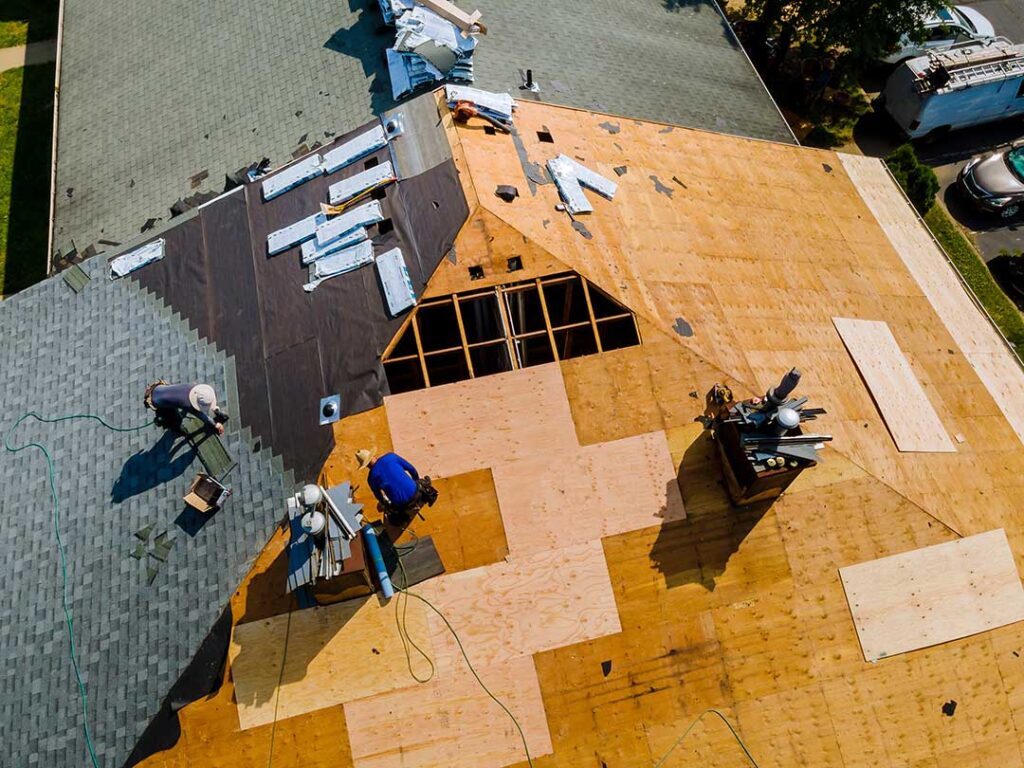
Roofing scams often appear after wind, hail, heavy rain, or winter damage, when homeowners feel pressure to protect their property quickly. The most reliable defense is to slow the process down, verify every important detail, and avoid making decisions based only on urgency, impressive promises, or a low price.
In Greene, NY, seasonal weather can create legitimate roofing concerns. Snow, ice, freeze-thaw cycles, falling branches, and summer storms may expose weaknesses that were not previously visible. Those conditions can also attract dishonest operators who use weather damage as an opportunity to pressure homeowners.
What are the most common roofing scams?
The most common scams involve unsolicited inspections, exaggerated damage claims, large upfront payments, vague contracts, and disappearing contractors. Some schemes involve little or no work; others involve rushed repairs using poor materials or incomplete installation.
Watch for these warning signs:
- Someone appears at the door immediately after a storm and claims to have noticed serious damage from the street.
- The person says materials are already available because a nearby job was canceled.
- A “today only” price is offered if a contract is signed immediately.
- The contractor asks for a large cash deposit or the full payment before work begins.
- The company has no verifiable local address, detailed written proposal, or clear insurance information.
- The contractor insists on handling all communication with the insurance company.
- The scope of work changes repeatedly after the project starts.
- A request is made for gift cards, wire transfers, cryptocurrency, or payment to an unrelated person.
A legitimate roofing evaluation should explain what was observed, where the problem is located, and whether temporary protection is needed. Homeowners should not be expected to accept a major financial commitment during the first conversation.
How can a homeowner tell whether roof damage is real?
Ask for specific evidence rather than relying on a verbal warning. A credible inspection should identify visible issues such as missing shingles, exposed underlayment, damaged flashing, lifted edges, punctures, sagging areas, blocked drainage, or signs of water entry.
A roof can also appear worn without requiring immediate replacement. Granule loss, discoloration, moss, and isolated aging do not automatically prove that the entire roof has failed. Conversely, a small visible defect can sometimes allow water into wall or attic spaces, so dismissing every concern is also unwise.
If safe, take photographs from the ground and document interior signs such as:
- Ceiling stains
- Damp insulation
- Musty odors
- Peeling paint
- Water around skylights, chimneys, or attic penetrations
- Daylight visible through the roof deck
Do not climb onto a roof to verify a claim. Wet shingles, steep slopes, ice, and damaged decking create fall hazards. A second opinion is especially sensible when one inspection recommends full replacement but provides little supporting detail.
What should a roofing contract include in New York?
For home-improvement work costing more than $500, New York requires a written contract with essential information. The agreement should identify the contractor, address, telephone number, expected start and completion dates, work description, materials, total price, payment schedule, and conditions that could affect the schedule.
A roofing contract should also clarify:
- Whether old roofing materials will be removed
- How damaged decking will be handled and priced
- The type and quantity of roofing materials
- Flashing, ventilation, underlayment, ice-barrier, and cleanup responsibilities
- Who obtains required permits
- Warranty terms and exclusions
- Procedures for approving additional work
- The person responsible for final inspection and debris removal
Do not sign a contract containing blank spaces. Any change to the scope, price, or materials should be written down and approved before the extra work begins.
New York contracts generally include a three-business-day cancellation right, subject to specific legal exceptions. A homeowner should read the cancellation language rather than assuming every verbal promise is enforceable.
How much should be paid upfront?
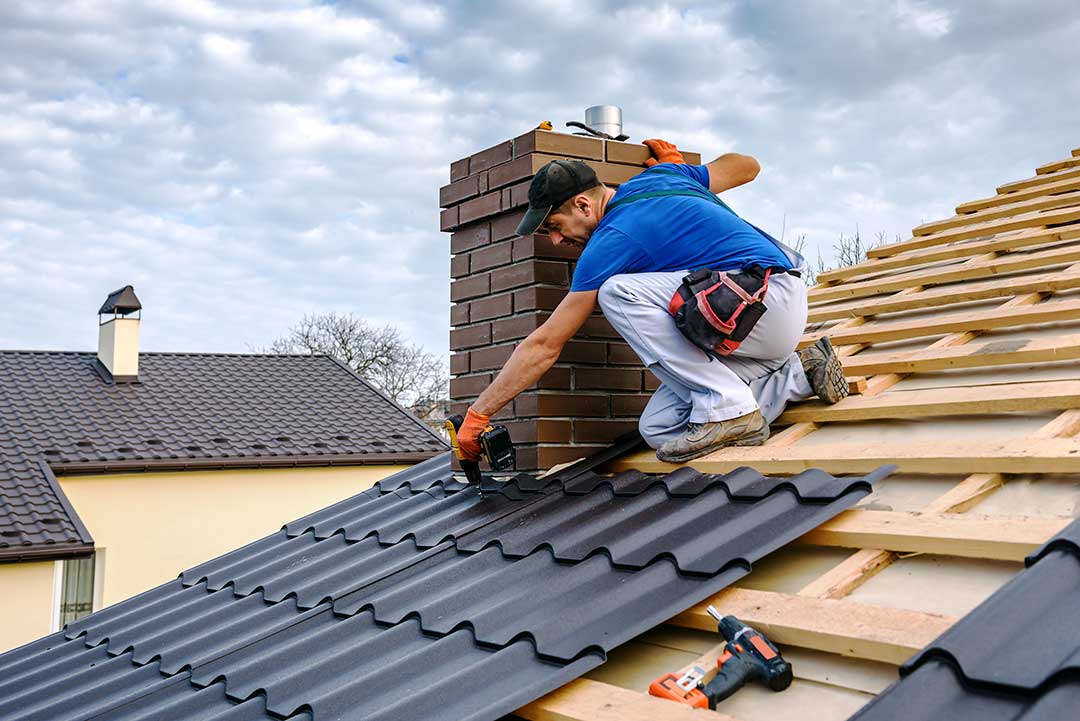
A deposit may be reasonable for materials or scheduling, but a demand for the full price before work starts is a serious warning sign. Large upfront payments become risky when the contractor has not established a clear project schedule or provided verifiable business information.
Use a payment schedule tied to measurable progress, such as delivery of materials, completion of tear-off, installation of the dry-in layer, and final completion. Avoid paying cash when another traceable method is available, and keep receipts, invoices, canceled checks, messages, and signed documents.
If a contractor claims that a deposit must be paid immediately to “lock in” a price, ask how long the written proposal remains valid. A legitimate business should be able to explain pricing without turning a routine decision into an emergency.
How should insurance claims be handled?
A roofing contractor may document damage or provide an estimate, but the contractor should not misrepresent damage, guarantee insurance approval, or encourage a homeowner to submit information that is incomplete or inaccurate.
The insurance company determines coverage under the policy. A contractor cannot legitimately promise that a roof will be replaced at no cost simply because storm damage is present. Deductibles still apply in many situations, and ordinary aging or deferred maintenance may not be covered.
Before signing an insurance-related agreement, understand:
- What work is being authorized
- Whether the document assigns insurance benefits
- Whether cancellation is permitted
- Who is responsible for the deductible
- Whether the contractor receives payment directly
- What happens if the claim is denied
Do not sign an assignment or authorization form that has not been read carefully. Keep communication with the insurer separate and review claim documents personally.
How can a contractor be checked before work begins?
Verification should happen before payment or roof access is authorized. Ask for a full legal business name, physical mailing address, telephone number, proof of liability insurance, workers’ compensation information when applicable, and recent references for comparable roofing work.
References should be contacted directly rather than accepted as names on a printed list. Ask whether the project was completed on schedule, whether the final price changed, whether cleanup was thorough, and whether problems were resolved.
Check whether Greene’s local building office requires a permit or other documentation for the proposed work. Licensing and registration rules can vary by location and project type, so a contractor’s statement that “no paperwork is needed” should not be treated as final authority.
A polished website, a magnetic vehicle sign, or many online reviews does not prove reliability. Business names can change, reviews can be copied, and temporary storm crews may leave the area after collecting deposits.
What should happen if a scam is suspected?
Stop signing new documents and avoid additional payments until the situation is understood. Preserve the contract, photographs, advertisements, text messages, emails, payment records, insurance correspondence, and names of everyone involved.
If payment was made electronically, contact the bank or payment provider promptly. If personal information was shared, monitor financial accounts and consider protective measures. Suspected fraud or unresolved home-improvement disputes may be reported to appropriate New York consumer-protection or law-enforcement agencies.
If work has left the roof exposed, active leaks should be addressed first with safe temporary protection. Do not allow an argument over payment to delay measures needed to prevent further water damage, but document the roof’s condition before additional work changes the evidence.
A trustworthy roofing decision usually leaves time for questions, comparison, and review. Pressure, secrecy, unsupported damage claims, and unusually large upfront demands are not normal requirements for protecting a home.
