
What does roof pitch mean?
Roof pitch describes how steeply a roof rises compared with how far it extends horizontally. It is usually written as a ratio, such as 4/12, 6/12, or eg 8/12. The first number indicates the vertical rise in inches; the second number represents 12 inches of horizontal run.
A roof with a 4/12 pitch rises 4 inches for every 12 inches of horizontal distance. A 8/12 roof rises 8 inches over the same distance and is noticeably steeper.
Roof pitch is sometimes confused with roof slope. In everyday roofing conversations, the terms are often used interchangeably. Technically, pitch can refer to the roof’s overall proportion, while slope describes the rise over the run. For homeowners, the ratio is the most useful way to understand the steepness of a roof.
Why does roof pitch matter?
Roof pitch affects how a roof handles water, snow, ice, wind, materials, maintenance, and usable attic space. It also influences the appearance and cost of a building.
A steeper roof generally allows rain and melting snow to move off the surface more quickly. A lower-slope roof holds water longer and depends more heavily on properly sealed seams, flashing, drainage paths, and compatible roofing materials.
In a place such as Greene, where roofs must handle freezing temperatures, winter precipitation, spring rain, and changing weather conditions, pitch is one part of the roof system that deserves attention. It does not determine performance by itself, but it affects how other components must be designed and installed.
How does pitch affect snow and ice?
Steeper roofs can shed snow more readily than low-slope roofs, but that does not mean they are immune to snow-related problems. Snow may remain in valleys, behind rooftop equipment, near dormers, or where a lower roof meets a taller wall.
A roof’s structure must be designed for expected loads, including snow accumulation and uneven drifting. The roof pitch, framing, building shape, insulation, ventilation, and local design requirements all play a role.
Ice dams are also influenced by more than pitch. They can form when heat escapes into an attic, warms the underside of the roof, melts snow above, and allows water to refreeze near colder eaves. Adequate air sealing, insulation, ventilation, and proper roof-edge detailing are usually more important than simply having a steep roof.
Homeowners should not assume that visible snow sliding from a roof is harmless. Large releases can damage gutters, lower roofs, shrubs, vehicles, or people below. Snow guards may be appropriate in some designs, while in other situations controlled removal may be needed. Roof access during winter can be hazardous.
Which roofing materials work with different pitches?
Roofing materials have minimum slope requirements. Asphalt shingles, metal panels, wood products, and membrane systems do not all perform the same way on low-slope surfaces.
A common asphalt-shingle roof may have a moderate or steep pitch, but shingles installed on a very low slope require special underlayment methods and may not be suitable below the manufacturer’s stated limit. Low-slope sections often need a roof covering designed to resist water that drains more slowly.
This is why a roof cannot be evaluated by appearance alone. Two sections that look similar from the ground may have different pitches and require different installation details. Small additions, porch roofs, bay windows, and side extensions are especially likely to have lower slopes than the main roof.
Mixing materials or using a product outside its approved slope range can create leakage problems even when the roof looks properly covered.
How can a homeowner identify roof pitch?
The safest method is to measure from inside the attic or another accessible location rather than climbing onto the roof.
To estimate pitch:
- Place a level horizontally against a rafter or roof deck.
- Measure 12 inches along the level.
- Measure the vertical distance from that point down to the roof surface or rafter.
- The vertical measurement is the first number in the pitch ratio.
For example, if the roof rises 6 inches over a 12-inch run, it is approximately a 6/12 pitch.
A digital angle tool can provide another estimate, but the angle and pitch ratio are not the same measurement. A roof that appears only moderately steep from the ground can still be difficult and dangerous to walk on. Gutters, wet shingles, frost, moss, and loose surface material increase the risk.
Does a steeper roof always perform better?
No. Steeper is not automatically better.
A steep roof may shed water and snow efficiently, but it has more surface area, can be harder to access, and may experience greater wind exposure. It also requires careful flashing at chimneys, roof-to-wall intersections, valleys, skylights, and dormers.
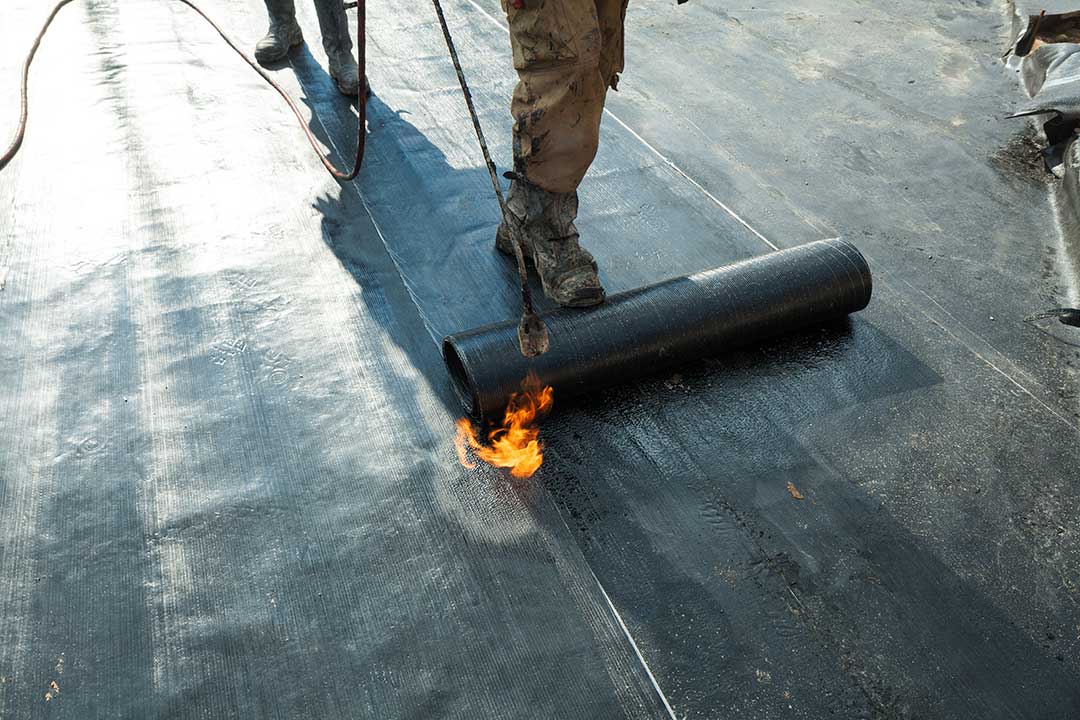
A low-slope roof may be practical for an addition or porch, but it requires dependable drainage and a roof covering suited to limited slope. Ponding water, clogged drains, damaged flashing, and poorly sealed penetrations can become serious concerns.
The right pitch depends on the building’s design, structural framing, weather exposure, drainage plan, roofing material, and local code requirements. There is no single ideal pitch for every home.
How does pitch affect attic space and energy performance?
Steeper roofs usually create more vertical attic volume. That space can make storage or mechanical access easier, although it may not be suitable for living space without meeting additional construction and safety requirements.
Roof pitch also affects insulation and ventilation layouts. In a vented attic, insulation must be installed without blocking intended airflow from the eaves toward upper vents. In a cathedral or vaulted ceiling, there may be less room for insulation and ventilation channels, making air sealing and moisture control especially important.
A roof with excellent pitch can still develop problems if warm, moist indoor air reaches the roof assembly. Discolored sheathing, damp insulation, frost in the attic, peeling paint near ceiling edges, or recurring ice along the eaves may indicate a ventilation or air-leakage issue.
What should residents check before replacing or altering a roof?
Before changing roof pitch, adding a dormer, enclosing an attic, installing a skylight, or rebuilding a porch roof, consider more than the exterior appearance.
Important questions include:
- Will the change alter how water drains onto another roof section?
- Can the existing rafters, trusses, walls, and foundation support the new loads?
- Will snow collect where the new roof meets the old one?
- Are flashing and underlayment details compatible with the roof material?
- Will attic insulation and ventilation still function properly?
- Does the work require permits or compliance with current New York State requirements?
Roof pitch is a structural and weather-management feature, not merely an architectural style choice. Understanding the ratio helps homeowners recognize why two roofs may need different materials, why certain areas collect snow or water, and why alterations require careful planning.
When is a roof-pitch problem urgent?
A roof should receive prompt attention if it shows sagging, repeated leaks, separated flashing, damaged framing, large areas of missing covering, or water entering the attic or living space. Concerns are more urgent after heavy snow, ice buildup, high winds, or a fallen tree.
Do not climb onto a steep, icy, wet, or visibly damaged roof. From the ground or attic, document visible changes and watch for ceiling stains, bulging drywall, damp insulation, or unusual cracking. Structural conditions and code requirements may require evaluation by a qualified building professional, especially before repairs or modifications are planned.
