
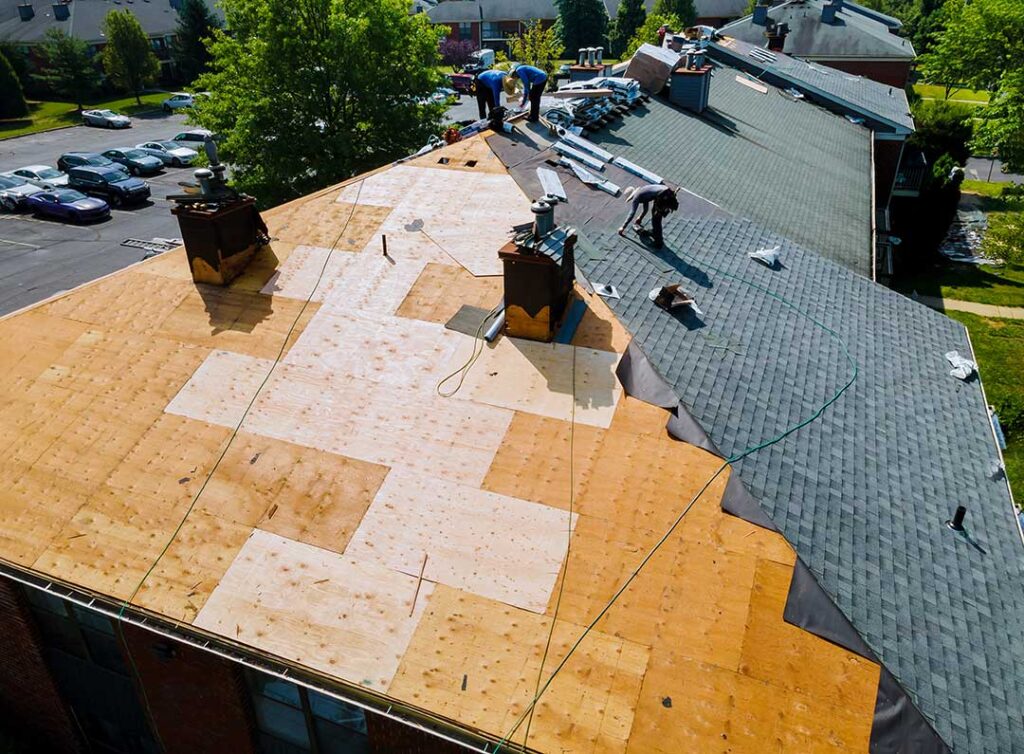
Replacing a roof is a major household expense, and the cost can arrive unexpectedly after wind damage, ice buildup, leaks, or years of normal wear. Homeowners in Greene, NY may have several ways to pay for the work, but each option affects monthly expenses, interest costs, and financial risk differently.
The most suitable choice depends on the roof’s urgency, the amount needed, available savings, credit history, home equity, and how long the property is expected to be owned.
What should be considered before borrowing?
First determine whether the roof needs immediate replacement or whether a limited repair can safely extend its service life. A loan may be reasonable for a necessary repair, but borrowing for a full replacement before understanding the roof’s condition can lead to unnecessary debt.
Before comparing financing, gather:
- A written description of the roofing work
- The expected total cost, including removal, disposal, ventilation, flashing, permits, and possible decking repairs
- The expected payment schedule
- The loan’s annual percentage rate, or APR
- Origination fees, closing costs, late fees, and prepayment penalties
- The total amount repaid over the life of the loan
A low monthly payment does not necessarily mean a low-cost loan. Extending repayment over many years can substantially increase the total interest paid.
Seasonal weather also matters locally. A leaking roof may cause more damage if replacement is delayed through periods of snow, freezing temperatures, or repeated rain. At the same time, urgency should not eliminate basic financial comparison. Even when the work is time-sensitive, homeowners should review the agreement carefully and avoid signing documents that do not clearly explain the amount borrowed and repayment terms.
Is paying cash a good option?
Using savings avoids interest and loan fees, making it the least expensive option mathematically. It may also simplify the project because there is no lender approval process or monthly payment.
However, using all available savings can create a different risk. A household should avoid draining its emergency reserve if doing so would leave no funds for heating problems, medical expenses, insurance deductibles, or other repairs. A partial cash payment combined with a smaller loan may provide a better balance than paying the entire cost from savings.
Homeowners should also consider whether the roof replacement is likely to uncover related work. Older homes may need repairs to roof decking, chimney flashing, gutters, soffits, or ventilation. Keeping a reasonable reserve can help prevent a second borrowing decision if unexpected conditions are found.
How do personal loans work for roofing?
A personal loan is usually unsecured, meaning the home is not used as collateral. The borrower receives a lump sum and repays it through scheduled installments, often at a fixed interest rate.
This option may be easier to understand than a home-secured loan because the payment and payoff date are generally established at the beginning. It also does not place a direct lien on the property. Approval and pricing typically depend on income, credit history, existing debt, and the lender’s underwriting standards.
The main disadvantages can include higher interest rates than secured borrowing and a shorter repayment period. A shorter term may reduce total interest but create a larger monthly payment. Comparing offers based on APR and total repayment—not just the advertised payment—is essential.
What is a home equity loan?
A home equity loan provides a lump sum secured by the equity in the home. Equity is the home’s current value minus the balance owed on existing mortgages and other liens.
This type of loan often has a fixed interest rate and predictable monthly payments. It may be useful when the roofing cost is known in advance and the borrower has substantial equity.
The central risk is that the home serves as collateral. If payments cannot be maintained, the borrower could face foreclosure. Home equity loans may also involve appraisal costs, title charges, or other fees. A homeowner should consider how the new payment would fit alongside the existing mortgage, property taxes, homeowners insurance, utilities, and seasonal household expenses.
What is a HELOC, and why can it be risky?
A home equity line of credit, or HELOC, is a revolving credit line secured by the home. Instead of receiving the full amount at once, the borrower can draw funds as needed, which may be useful if the final roofing cost is uncertain.
HELOCs commonly have variable interest rates. Payments can rise if rates increase, and the payment structure may change after the initial draw period ends. Some plans also include annual fees, transaction fees, minimum draw requirements, or a repayment period with significantly higher payments.
Because a HELOC is secured by the property, failure to repay can put the home at risk. It should not be treated like a harmless credit card or used without understanding the full repayment schedule.
Are contractor-arranged financing offers safe?
Some roofing agreements include financing arranged through a third-party lender. These offers may be convenient, but convenience does not guarantee a favorable loan.
Read the financing agreement separately from the roofing contract. Check whether the advertised rate applies only to highly qualified borrowers, whether the rate changes after a promotional period, and whether a deferred-payment offer creates a large balance later.
Be cautious with agreements that:
- Emphasize “no payments” without explaining when repayment begins
- Use a very long term to produce a small monthly payment
- Include prepayment restrictions or large administrative fees
- Require signing before the full scope of work is documented
- Make the financing seem mandatory
The person explaining roofing work may not be the person responsible for the loan. Treat the financing as a separate financial decision.
Are government programs available?
Some homeowners may qualify for government-backed property improvement financing, including certain FHA Title I programs. These loans are made through participating private lenders, and eligibility, loan limits, interest rates, and property requirements apply.
Availability is not automatic, and such programs are not necessarily subsidized or less expensive than other choices. A homeowner should compare the full cost with personal loans and home equity products rather than assuming a government-backed option is the lowest-cost solution.
Local or regional housing assistance programs may also change over time. Eligibility can depend on income, property type, occupancy, age of the home, or the nature of the repair. Program rules should be verified before including potential assistance in a roofing budget.
Does homeowners insurance pay for a new roof?
Insurance generally pays only for covered damage, such as certain wind or fallen-tree events, subject to the policy deductible and exclusions. It usually does not pay for a roof replacement needed because of age, gradual deterioration, algae, poor maintenance, or ordinary wear.
Before borrowing, review the policy and document the roof’s condition. Photos, repair records, storm dates, and written observations can help clarify whether a claim may be relevant. A denied claim should not automatically be replaced with high-cost financing; the denial reason should first be understood.
Can tax credits reduce the cost?
Traditional roofing materials generally do not qualify for residential clean-energy tax benefits simply because they are installed on a house. Certain solar roofing products may be treated differently, but eligibility and tax rules can change.
A homeowner should not borrow based on an assumed tax credit. Any potential benefit should be confirmed for the specific tax year, product, installation, and household tax situation. A tax credit also does not reduce the amount owed to a lender at the time the roof is installed.
How can homeowners compare financing offers?
Use the same loan amount and repayment period when comparing options. Record:
- APR and fixed or variable rate
- Monthly payment
- Total repayment
- Origination and closing fees
- Late-payment consequences
- Prepayment rules
- Whether the home is used as collateral
- What happens if the roof project costs more than expected
For a household in Greene, the most practical choice is usually the one that handles the needed work without exhausting emergency savings or creating a payment that becomes difficult during higher-cost months. A roof is necessary protection for the home, but the financing decision should protect the household’s broader financial stability as well.
