
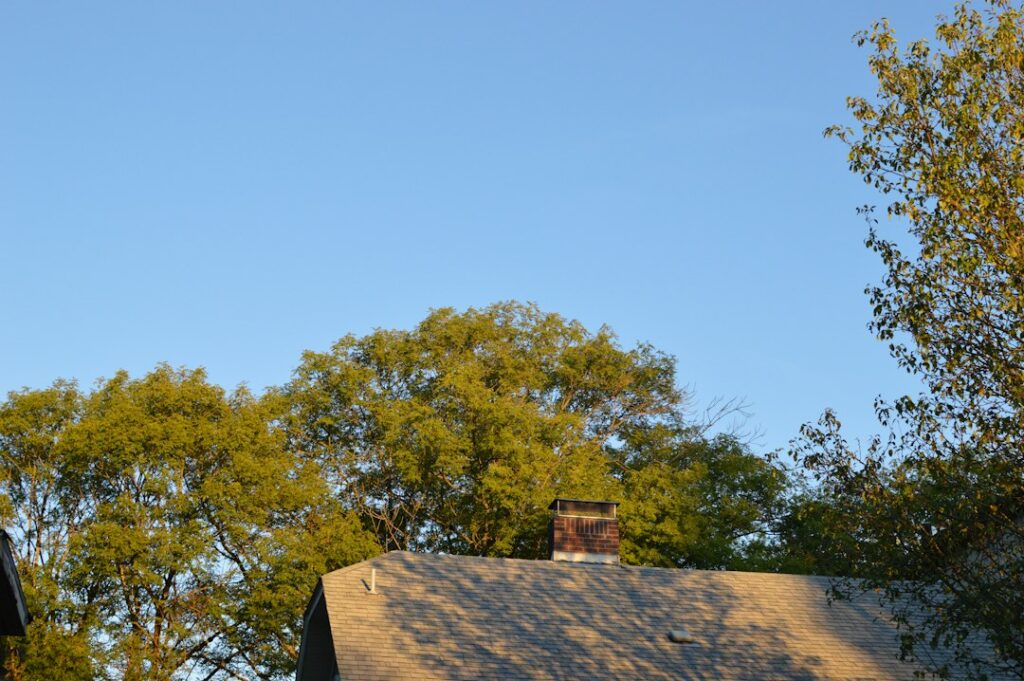
Why do roofs leak?
Roof leaks usually begin when water finds a weak point in the roofing system. That weak point may be a damaged shingle, an aging flashing joint, a clogged drainage path, or a small opening around a roof penetration.
In Greene, NY, roofs face repeated seasonal stress. Snow, ice, freeze-thaw cycles, heavy rain, wind, falling branches, and summer heat can gradually weaken roofing materials. A leak may appear inside the home long after the original damage occurred, sometimes far from the place where water entered.
Understanding the common causes helps residents recognize problems earlier and avoid confusing a roof leak with plumbing, condensation, or attic ventilation issues.
How do damaged or missing shingles cause leaks?
Broken, curled, cracked, or missing shingles are among the most visible causes of roof leaks. Shingles protect the water-shedding layers beneath them. Once that surface is damaged, rain and melting snow can reach the underlayment, roof decking, and framing.
Wind can lift shingle edges without removing the entire shingle. Hail, falling limbs, and foot traffic can also create cracks or small punctures. Aging shingles may become brittle and lose their protective surface coating, making them less able to resist moisture.
A roof does not need to look severely damaged to leak. A single exposed nail hole or lifted shingle can allow water to enter during a wind-driven storm.
Why is flashing a frequent source of roof leaks?
Flashing is the thin material installed around areas where the roof meets another surface or changes direction. Common locations include:
- Chimneys
- Plumbing vent pipes
- Skylights
- Roof valleys
- Sidewalls and headwalls
- Dormers
- Roof edges and transitions
These areas are vulnerable because water naturally collects or changes direction there. If flashing bends, rusts, separates, or was installed improperly, water can work behind it.
Flashing problems are especially difficult to identify from the ground. A roof may appear intact while water is entering through a deteriorated joint around a chimney or vent. Sealant can also crack with age, but applying new sealant over a larger flashing failure may only hide the problem temporarily.
Can clogged gutters and ice dams cause roof leaks?
Yes. Gutters and downspouts that are blocked by leaves, pine needles, roof granules, or ice can prevent water from draining away normally. Water may back up beneath the roof edge or overflow against fascia and siding.
Ice dams form when snow melts on a warmer section of the roof and refreezes near the colder eaves. The resulting ridge of ice can trap additional meltwater. That water may move beneath shingles and into the attic or upper walls.
Ice dams are more likely when attic heat escapes unevenly through the roof. Insufficient insulation, air leaks around ceiling penetrations, and inadequate ventilation can all contribute. However, ventilation alone does not prevent every ice dam. Snow depth, outdoor temperature, roof design, and changing weather conditions also matter.
How do roof valleys contribute to water intrusion?
A roof valley is where two sloped sections meet. It channels a large amount of rainwater and melting snow toward the gutters, making it one of the most heavily used drainage areas on the roof.
Leaks may develop when valley flashing is damaged, when shingles are improperly cut or positioned, or when debris remains trapped in the channel. Leaves and small branches can hold moisture against roofing materials and slow drainage.
Valley leaks sometimes appear as stains on ceilings far from the actual entry point. Water can travel along roof decking, rafters, insulation, and wall cavities before becoming visible indoors.
What happens when roof penetrations fail?
Every opening in a roof creates a potential leak point. Plumbing vent pipes, exhaust vents, attic vents, skylights, satellite mounts, and other penetrations must be sealed and flashed correctly.
Rubber boots around vent pipes can crack or shrink with age. Fasteners may loosen, and metal collars can corrode. Skylight leaks may come from deteriorated flashing, failed seals, or condensation rather than from the glass itself.
A common misconception is that any stain near a bathroom or kitchen ceiling must be caused by plumbing. A roof penetration above that area may be the real source, particularly after rain or snowmelt.
Can poor attic ventilation or insulation cause roof damage?
Poor attic conditions do not always create a direct opening in the roof, but they can contribute to moisture problems and shorten the life of roofing materials.
Warm, moist air from the living space can enter the attic through gaps around light fixtures, plumbing pipes, ductwork, and attic access panels. If that moisture condenses on cold roof surfaces, it can dampen insulation and wood framing. During winter, frost may accumulate and later melt, creating stains that resemble a roof leak.
Uneven attic temperatures can also contribute to ice dams. Properly balanced insulation, air sealing, and ventilation help reduce these risks, but each part serves a different purpose. Ventilation cannot correct missing insulation, and insulation cannot fully correct uncontrolled air leakage.

How can storms and falling branches damage a roof?
Severe weather can cause immediate roof damage or create conditions that lead to a leak later. High winds may lift shingles, break tree limbs, or push rain beneath roofing materials. Heavy snow can place additional stress on roof structures, especially when snow remains for an extended period.
After a storm, warning signs include:
- Shingles in the yard or driveway
- New ceiling or wall stains
- Bent or exposed flashing
- Damaged gutters
- Tree limbs resting on the roof
- Granules collecting heavily in downspouts
- Daylight visible through the attic roof decking
A roof can also suffer hidden damage when a branch strikes without creating a large visible hole. Small fractures may leak only during certain wind directions or during prolonged rainfall.
Why do older roofs leak more often?
Roofing materials naturally lose flexibility and water resistance over time. Repeated expansion and contraction from temperature changes can loosen fasteners, split sealants, and stress flashing joints. Granule loss can expose shingles to faster ultraviolet deterioration.
Age alone does not identify the exact leak source, but it raises the likelihood of multiple small failures occurring at once. An older roof may also have repairs from previous weather events, and each repair area becomes another location worth inspecting.
What should residents do when a leak appears?
Place a container beneath active dripping and move furniture or belongings away from the affected area. If the ceiling is bulging, avoid standing directly beneath it because trapped water can add substantial weight. Do not climb onto a wet, icy, or snow-covered roof.
If it is safe to access the attic, look for wet insulation, darkened wood, water trails, or daylight. The entry point may be uphill from the interior stain, so the location of the ceiling mark does not necessarily identify the damaged roofing component.
Documenting when the leak occurs can also help. A leak during wind-driven rain suggests a different pattern than one that appears only during snowmelt or after several hours of steady precipitation. Electrical fixtures near water stains require extra caution; power to the affected area should be turned off only if it can be done safely.
How can roof leaks be prevented?
Routine observation is more useful than waiting for a ceiling stain. After major storms and before winter, check visible roof areas, gutters, downspouts, attic spaces, and flashing from a safe location.
Keep drainage paths clear, trim branches that could strike the roof, and watch for missing or curling shingles. Inside the home, inspect attic insulation for dampness and look for recurring stains, musty odors, peeling paint, or unexplained increases in indoor humidity.
Because roof work involves fall hazards, steep surfaces, ice, and hidden structural damage, hazardous conditions should be evaluated by a qualified roofing or building professional rather than handled from the roof by an untrained person.
