
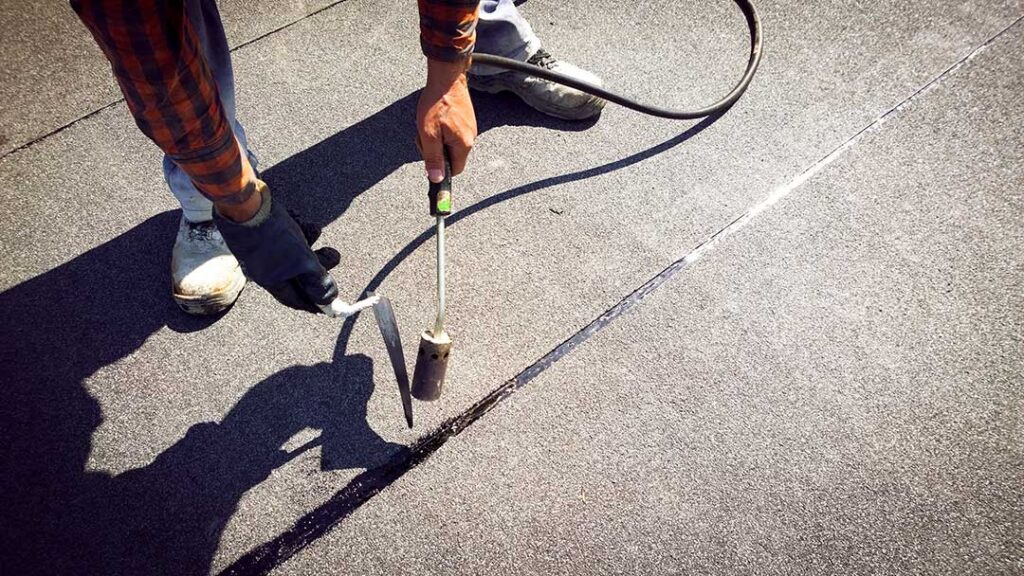
Why early roof damage is easy to miss
In Greene, NY, roof problems often begin quietly. A few lifted shingles, a small ceiling stain, or a clogged gutter may not seem urgent, but these signs can allow moisture to reach roof decking, insulation, framing, and interior finishes.
The roof deserves closer attention after strong wind, heavy rain, wet snow, ice buildup, falling branches, and rapid freeze-thaw cycles. Seasonal weather can expose weak points that were not obvious during routine conditions.
Early inspection does not require climbing onto the roof. Many useful clues are visible from the ground, attic, upper-floor rooms, and exterior walls.
What should you look for from the ground?
A ground-level inspection can reveal missing materials, uneven roof lines, and drainage problems without creating a fall hazard. Use binoculars if needed, and inspect the roof from several sides of the property.
Look for:
- Shingles that are missing, cracked, curled, lifted, or noticeably darker than surrounding shingles
- Small piles of roofing granules near downspouts or along the foundation
- Exposed underlayment, roof decking, or fasteners
- Metal flashing that appears bent, loose, rusted, or separated from a wall
- Sagging along the roof slope, ridge, or eaves
- Gutters that pull away from the fascia or appear to hold water
- Downspouts that discharge directly against the foundation
- Daylight visible beneath roof edges, flashing, or trim
- Tree limbs, moss, or debris resting on the roof
A roof line should generally appear straight. A dip or bow may indicate wet decking, deteriorated framing, or excessive loading from snow and ice. Structural sagging is more serious than ordinary shingle wear and should not be ignored.
Which indoor signs suggest a roof leak?
Water stains are among the most recognizable warning signs, but they do not always appear directly beneath the original leak. Water can travel along rafters, roof decking, insulation, and wall cavities before becoming visible inside the home.
Check ceilings, upper-floor walls, closets, and rooms near chimneys or roof penetrations for:
- Yellow, brown, or gray discoloration
- Peeling paint or bubbling drywall
- Damp insulation or a musty smell
- Soft spots on ceilings or walls
- Mold-like spotting
- Repeated stains that grow after rain or thawing
- Drips around light fixtures, vents, or ceiling fans
A stain that dries after a storm still indicates that water entered somewhere. It may not be actively leaking during a later inspection, but the underlying opening may remain.
Water near electrical fixtures creates an added safety concern. Avoid touching wet switches, fixtures, or wiring. If the area is actively leaking, keep people away from the affected space and address electrical hazards promptly.
How can the attic reveal damage earlier?
The attic often shows roof trouble before the finished rooms below. Inspect only from a stable floor or access area, and avoid stepping on insulation or ceiling drywall.
With a flashlight, look for:
- Damp or compressed insulation
- Darkened wood around roof penetrations
- Water marks on rafters or roof decking
- Frost or condensation on the underside of the roof
- Daylight entering through unexpected gaps
- Rusted nails or fasteners
- Wet areas near valleys, chimneys, skylights, plumbing vents, and roof-to-wall intersections
A damp attic does not always mean the roof covering is leaking. Poor ventilation, warm air escaping from the living space, and inadequate air sealing can also create condensation. The location, timing, and pattern of the moisture help distinguish a roof leak from a ventilation or insulation problem.
Frost that appears during cold weather and disappears during a thaw may still leave moisture behind. Repeated condensation can damage wood and encourage mold growth even when no obvious roof opening is present.
What do gutters and downspouts tell you?
Gutters provide useful information about the roof’s condition and drainage performance. Granules collecting in gutters or downspout outlets may indicate aging shingles, though a small amount can also appear after installation or severe weather.
Inspect for:
- Shingle granules or roofing fragments
- Standing water after rainfall
- Sagging or separated gutter sections
- Ice buildup that repeatedly forms in the same location
- Blocked downspouts
- Water spilling over the front edge
- Soil erosion or staining below the roof edge

In winter, ice dams can form when snow melts on warmer upper roof areas and refreezes near colder eaves. The resulting ice can block drainage and push water beneath roofing materials. Large icicles are not proof of a leak, but repeated ice buildup deserves attention because it can damage gutters, fascia, shingles, and interior finishes.
Do not chip ice from the roof or gutters while standing beneath it. Falling ice and tools can cause serious injury.
Which damage may appear after a storm?
Some roof damage is visible immediately after high wind or heavy precipitation. Other problems emerge days or weeks later as trapped moisture moves through the building.
After a storm, check for:
- Missing or displaced shingles
- New ceiling stains
- Branches or debris on the roof
- Damaged flashing around vents and chimneys
- Bent gutters or downspouts
- Water in the attic
- Unusual sounds from the roof during rain
- Interior doors or windows that become difficult to operate near a damaged wall
Wind does not have to remove an entire shingle to create a leak. Lifted edges, broken seals, and loosened fasteners can allow water underneath the surrounding courses. A roof may look mostly intact from the ground while still having localized damage.
Is moss or algae always a sign of roof failure?
Moss and algae do not automatically mean a roof is leaking or structurally unsafe. They do indicate that moisture remains on the roof surface, often because of shade, nearby trees, limited airflow, or slow drainage.
Moss can lift shingle edges as it grows beneath them. It may also retain moisture against the roofing material. Avoid pressure washing or scraping shingles aggressively, since those methods can remove protective granules and shorten the roof’s service life.
Overhanging branches should also be watched. They can rub against shingles, drop debris into valleys, and increase the amount of moisture held against the roof.
When is roof damage an urgent safety issue?
Some signs call for prompt action rather than routine observation:
- A visibly sagging roof section
- A ceiling that is bulging or holding water
- Active leaking near electrical equipment
- A large tree limb through the roof
- Significant roof areas covered by missing shingles
- Heavy snow or ice causing visible structural strain
- Cracked or separated masonry around a chimney
- Sudden movement, cracking, or unusual sounds from the roof structure
Do not climb onto a roof during rain, snow, ice, high wind, or after structural damage. Roof surfaces can be slippery, and hidden weak areas may fail under a person’s weight. Structural concerns may require evaluation by a qualified building professional, architect, or structural engineer, particularly when sagging or excessive snow loading is involved.
How often should a homeowner check the roof?
A practical schedule is to inspect from the ground in spring and fall, after major storms, and whenever indoor moisture signs appear. Gutters and downspouts should be checked more often during seasons when leaves, needles, and storm debris accumulate.
Keep brief notes or photographs of changes. Comparing the same roof areas over time can help distinguish ordinary aging from new damage. Early attention is especially useful before winter, when snow, ice, and freeze-thaw conditions can enlarge small openings.
The most reliable warning sign is not always a dramatic leak. A missing shingle, loose flashing edge, damp attic spot, or recurring gutter overflow may be the first evidence that the roof system is no longer shedding water as intended.
