
What is the difference between re-roofing and roof replacement?
Re-roofing adds a new layer of roofing material over an existing layer. Roof replacement removes the old roofing materials so the roof system can be inspected, repaired, and rebuilt as needed.
The two terms are sometimes used interchangeably, but they describe different levels of work. Re-roofing is mainly an exterior covering project. A full replacement addresses the covering and the components underneath it, including underlayment, flashing, ventilation details, and roof decking when necessary.
That distinction matters because a roof can look worn on the surface while also having hidden damage below.
What does re-roofing involve?
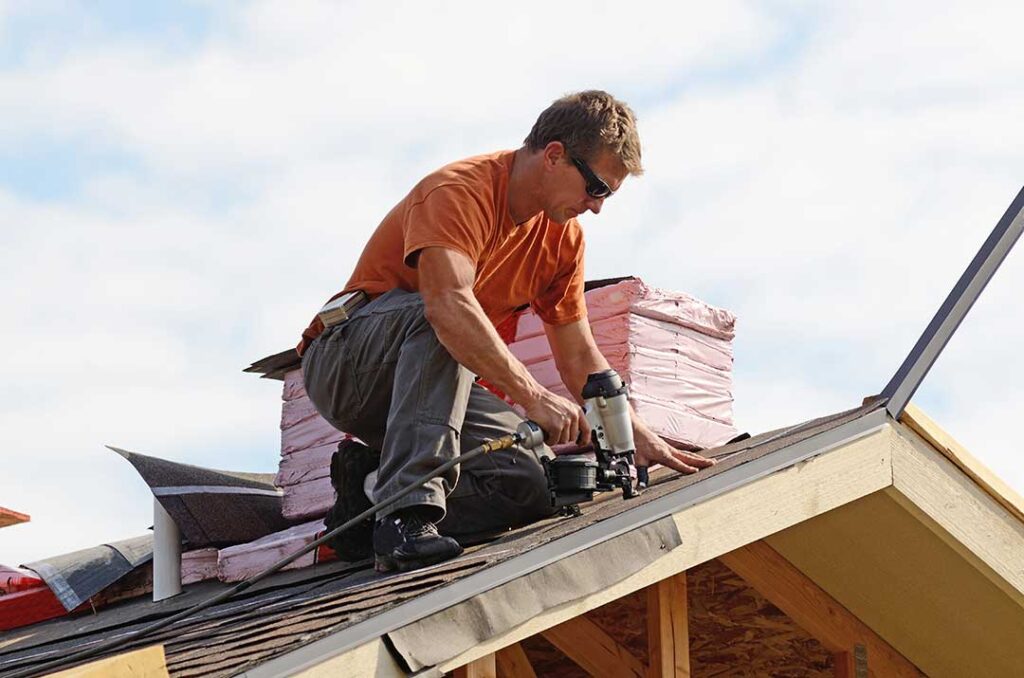
Re-roofing usually means installing a new layer of asphalt shingles over an existing layer of shingles. The old shingles remain in place, and the new material is fastened over them.
A re-roofing project may be appropriate when:
- The existing shingles are generally flat and securely attached
- There is only one existing layer of shingles
- The roof deck is dry, solid, and free from widespread damage
- There are no major leaks or structural concerns
- The roof design allows a second layer under applicable building requirements
Re-roofing can improve the appearance of a roof and provide another period of weather protection. It may also involve replacing small amounts of damaged flashing or installing new edge details, although the extent of work varies.
Because the old shingles remain underneath, re-roofing provides less opportunity to inspect the entire roof surface. Problems hidden between the layers may not become visible until later.
What happens during a full roof replacement?
A full roof replacement removes the existing shingles and underlayment, exposing the roof deck. The exposed surface can then be examined for water damage, rot, loose fasteners, mold-like staining, or areas that have weakened over time.
A replacement may include:
- Removal of existing roofing layers
- Inspection of the roof decking
- Replacement of damaged decking
- New underlayment
- Ice-barrier protection in areas where it is required or appropriate
- New flashing around chimneys, walls, valleys, vents, and roof edges
- New shingles or another selected roofing material
- Evaluation of ventilation and drainage details
The roof deck is the structural surface that supports the roofing materials. If it has softened from repeated moisture exposure, installing new shingles over it does not correct the underlying problem. Full replacement is the more thorough option when the roof system needs to be rebuilt rather than simply covered.
Is re-roofing acceptable in Greene, NY?
Re-roofing may be acceptable in Greene, NY when the existing roof is in reasonably good condition and local requirements allow another layer. The decision should account for the roof’s age, slope, number of existing layers, condition of the decking, and history of leaks.
Seasonal conditions in the area can place repeated stress on roofing materials. Snow, ice, wind, spring rain, and freeze-thaw cycles can expose weaknesses in flashing, valleys, eaves, and roof penetrations. A roof that appears suitable for re-roofing from the ground may still have concealed damage that requires closer inspection.
Local building requirements may limit the number of roofing layers or require removal when the existing roof has certain conditions. Requirements can also vary based on the building and the scope of work. For that reason, re-roofing should not be viewed as a way to avoid every inspection or code-related question.
When is roof replacement the better choice?
Full replacement is generally more appropriate when the existing roof has widespread damage, multiple layers, or signs that water has reached the roof deck.
Common reasons include:
- Shingles are curling, breaking, blistering, or missing across large areas
- Leaks appear in more than one location
- The roof has already been covered once or more
- The roof deck feels soft or shows staining from moisture
- Flashing is failing around chimneys, walls, skylights, or vents
- The roof has significant sagging or uneven areas
- Previous repairs cover a large portion of the surface
- The roof is near the end of its expected service life
A full replacement does not automatically mean every part of the roof structure must be rebuilt. It means the existing roofing system is removed far enough to evaluate the components that cannot be properly inspected while covered.
Can re-roofing hide a roof problem?
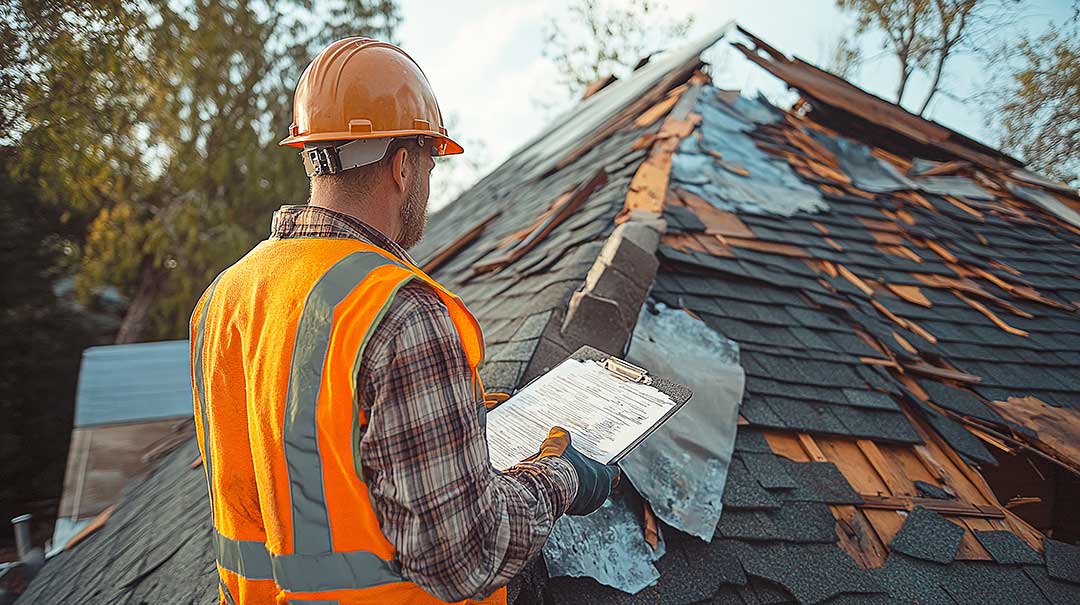
Yes. Re-roofing can cover symptoms without correcting the source of a problem.
For example, a new layer of shingles may reduce visible wear but will not repair:
- Rotting roof decking
- Improperly installed flashing
- A poorly sealed chimney or wall transition
- Inadequate drainage in a valley
- A damaged roof edge
- Persistent condensation caused by ventilation problems
This does not make re-roofing unsuitable in every case. It means the existing roof should be evaluated beyond its appearance. A roof that is dry, structurally sound, and limited to surface wear may be a reasonable candidate. A roof with active leaks or widespread deterioration usually needs more extensive work.
Does re-roofing last as long as replacement?
Re-roofing may provide years of additional service, but it generally does not offer the same inspection and correction opportunities as a full replacement. The condition of the original roof remains part of the new roof system.
Service life depends on material quality, installation, ventilation, roof slope, exposure to wind and weather, maintenance, and the condition of the roof beneath the new layer. If moisture has already entered the old roof, the new covering cannot erase that history.
A full replacement also does not guarantee a specific lifespan. Poor ventilation, incomplete flashing work, or unresolved drainage problems can shorten the life of a newly installed roof.
What should homeowners inspect before choosing an option?
The most useful evaluation considers the entire roof system rather than only the shingles. Questions to clarify include:
- How many roofing layers are already present?
- Are the roof deck and rafters visibly sound?
- Where have leaks occurred, and have they returned after repairs?
- Are flashing and roof penetrations still serviceable?
- Is attic ventilation adequate and unobstructed?
- Are gutters, eaves, and valleys moving water away properly?
- Are local permits or inspections required?
- Would another layer add excessive weight or conceal known damage?
Interior evidence can also help. Stains on ceilings, damp insulation, musty odors, peeling paint, or daylight visible through the roof assembly may indicate that a surface-only approach is not suitable.
Is a roof replacement always necessary when shingles are old?
No. Age alone does not decide between re-roofing and replacement. An older roof with limited wear, no active leaks, and a solid underlying structure may still be repairable or suitable for re-roofing. Conversely, a newer roof may need major work if it has storm damage, installation defects, or persistent moisture problems.
The central question is whether the roof covering is the only part that has deteriorated. If the problem is limited to the outer layer, re-roofing may be possible. If the roof deck, flashing, underlayment, ventilation, or structure is also compromised, removal and replacement provide a more complete solution.
For area households, the difference is not simply cost versus appearance. It is the difference between adding another protective layer and opening the system to find out what the roof has been experiencing underneath.
