
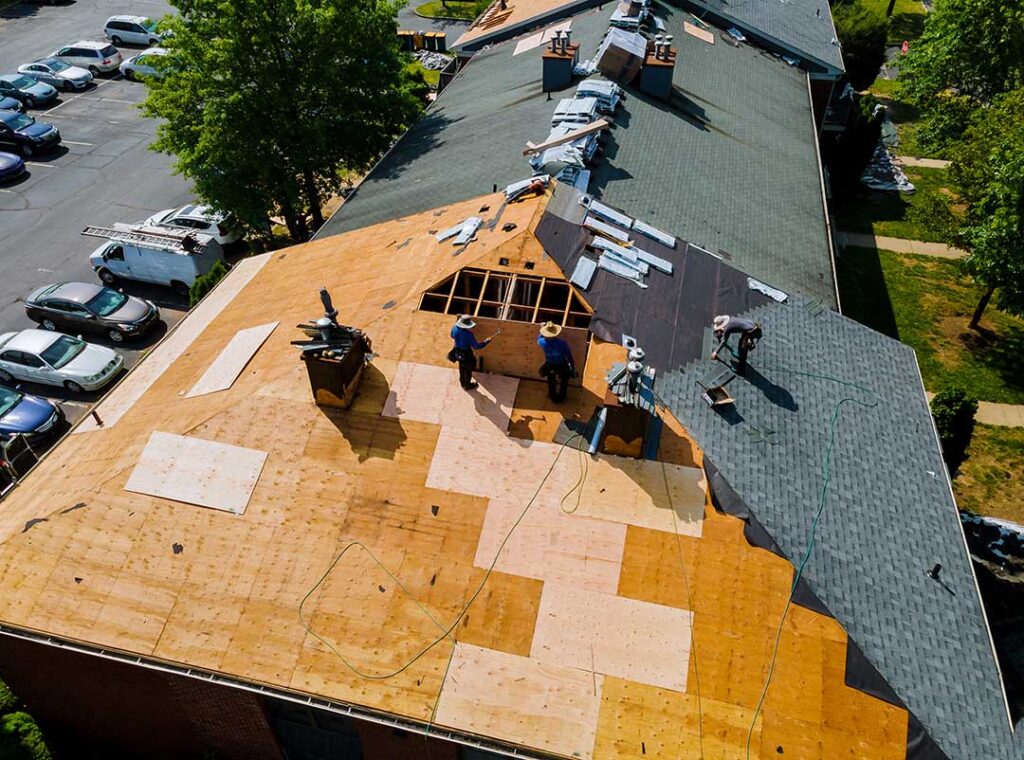
Roof problems do not stop during a pandemic, severe storm, power outage, or other community emergency. A small leak can quickly damage ceilings, insulation, electrical components, and framing, but not every roofing issue requires immediate close-contact work.
For households in Greene, NY, the safest approach is to separate urgent damage control from repairs that can reasonably wait. Protect the home first, reduce unnecessary exposure, and make decisions based on weather, structural risk, household health, and the condition of the roof.
Which roof problems require immediate attention?
Active leaks, storm openings, fallen tree damage, sagging roof areas, and exposed electrical wiring should be treated as urgent. Waiting can allow water to spread through attic insulation, wall cavities, and ceilings, even when the original roof opening appears small.
Immediate attention is also warranted when:
- Water is entering near a light fixture, outlet, electrical panel, or heating equipment.
- A section of roof is visibly sagging or pulling away from the structure.
- Shingles, flashing, or roofing material have blown off and rain or snow is expected.
- A tree limb or other object has struck the roof.
- Ice buildup is directing water behind gutters, flashing, or exterior walls.
- A ceiling is bulging or showing signs that it may collapse.
Do not climb onto a wet, icy, snow-covered, or visibly damaged roof. Roof surfaces become especially hazardous during winter weather and after storms. A safer temporary step may include placing a container under an interior drip, moving belongings away from the affected area, and documenting the damage from the ground or from inside the attic.
What can wait until conditions are safer?
Some roof concerns are real but do not create an immediate threat to the building. Examples include a few aging shingles with no active leak, minor granule loss, cosmetic discoloration, or a small area of moss that is not lifting roofing materials.
During a health emergency, a short delay may be reasonable when:
- There is no active water entry.
- The roof remains structurally stable.
- Weather conditions are dry and predictable.
- No interior electrical or ceiling damage is developing.
- The household includes someone at high risk from respiratory illness.
A delay should still include monitoring. Check the attic after rainfall, look for new ceiling stains, and watch for damp insulation, musty odors, or daylight visible through the roof deck. A problem that seems minor in dry weather can become urgent during a heavy rain, freeze-thaw cycle, or snowstorm.
How can roof repairs be handled with less exposure?
Many roofing decisions can be made without entering the home. Clear photographs, short videos, measurements, and a written description of the problem may help determine whether an issue appears urgent. Photos should show both the overall roof area and close views of missing, lifted, cracked, or damaged materials.
If an in-person inspection is necessary, practical precautions include:
- Discussing symptoms or recent exposure before anyone arrives.
- Keeping residents and workers apart whenever possible.
- Using outdoor conversations, phone calls, or electronic documents instead of indoor meetings.
- Limiting the number of people present.
- Keeping doors and interior access points closed unless entry is required.
- Improving ventilation if indoor access is necessary and weather allows.
- Wearing a well-fitting mask when close indoor contact cannot be avoided.
- Cleaning frequently touched surfaces after the visit.
Current respiratory-virus guidance generally supports staying home when sick and taking added precautions after returning to normal activities. A household should not feel pressured to permit entry while someone is ill, particularly when the repair can be delayed without creating additional property damage.
Can a roof be inspected from the ground?
Often, the first inspection should be from the ground. Binoculars, a camera with zoom, or photographs taken from a safe location can reveal missing shingles, exposed underlayment, displaced metal, damaged vents, and fallen branches.
Inside the home, inspect the attic only if it can be reached safely. Look for:
- Wet or compressed insulation.
- Dark stains on rafters or roof sheathing.
- Drips or water tracks.
- Daylight through the roof deck.
- Mold-like growth or persistent musty odors.
- Damp electrical components or wiring.
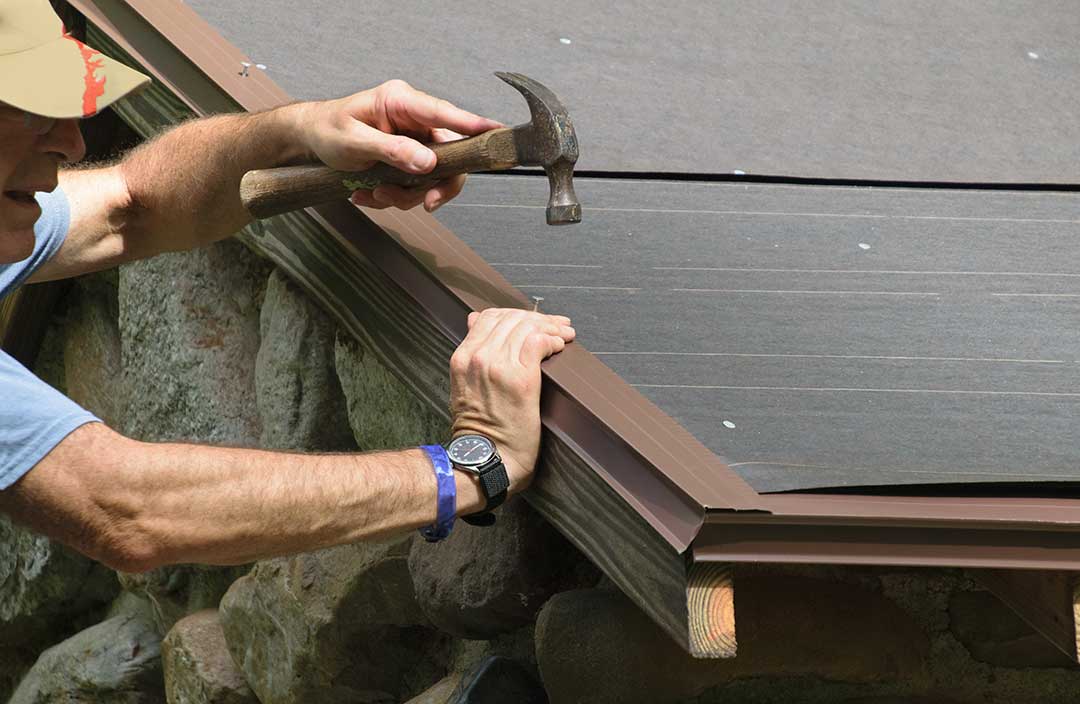
A ground-level inspection cannot identify every problem. It may miss damage beneath shingles, hidden flashing failures, soft roof decking, or deterioration around chimneys and penetrations. A roof should never be accessed merely to obtain a closer look during unsafe weather.
What temporary measures are safe?
Temporary protection is intended to limit further damage until permanent work is possible. It is not a substitute for a proper repair.
Depending on the situation, temporary measures may include placing a properly secured tarp over a damaged section, covering a small interior leak with plastic sheeting, moving furniture, and using containers to collect water. A tarp must be installed without creating a fall hazard or damaging the roof further. Improvised materials such as loose plastic, unsecured plywood, or indoor patching compounds may fail during wind or rain.
Do not use a ladder during high winds, on ice, or where overhead electrical hazards exist. Do not remove large amounts of snow from a roof unless the method is specifically appropriate and can be performed without standing beneath unstable snow or ice.
How should winter weather in Greene affect repair timing?
Cold temperatures, snow, ice, and repeated freezing and thawing can change both the urgency and feasibility of roof work. Snow may conceal missing shingles or damaged flashing, while ice can make walking surfaces and ladders extremely dangerous. Melting snow may also enter through openings that were not leaking during freezing conditions.
After a winter storm, watch for:
- Uneven roof lines or visible sagging.
- Large snow loads concentrated in one area.
- Ice dams along eaves.
- Water stains that appear during thawing.
- Gutters pulled away by ice or snow.
- Branches resting on the roof or utility lines.
Do not chip ice aggressively from shingles or use open flame to melt it. Forceful removal can damage roofing materials and create falling-ice hazards. If a roof appears overloaded, distorted, or structurally compromised, keep people away from the area and treat the condition as an emergency.
What should be documented during a crisis?
Photographs and written notes can help with insurance, emergency assistance, landlord communication, or later repair planning. Record the date, weather conditions, location of the damage, visible interior effects, and any temporary steps taken.
Keep copies of:
- Photos and videos taken before cleanup.
- Written descriptions of leaks or storm damage.
- Records of emergency materials purchased.
- Inspection findings and repair recommendations.
- Communication about delays, access restrictions, or health precautions.
Avoid making permanent changes before damage is documented unless immediate action is necessary to prevent greater loss. If wet materials create a health or structural concern, safety takes priority over preserving evidence.
When is outside help necessary?
Roof work may require trained assistance when it involves steep slopes, structural damage, electrical hazards, storm debris, large trees, extensive leaks, or conditions that cannot be safely reached from the ground. Fall protection remains necessary even during an emergency, and a crisis does not make unsafe roof access acceptable.
A practical plan is to stabilize the interior, prevent additional water entry when it can be done safely, document the condition, and arrange permanent work when weather and health conditions allow. The right timing depends on the roof damage, forecast, household vulnerability, and whether delaying the work is likely to increase the total loss.
