
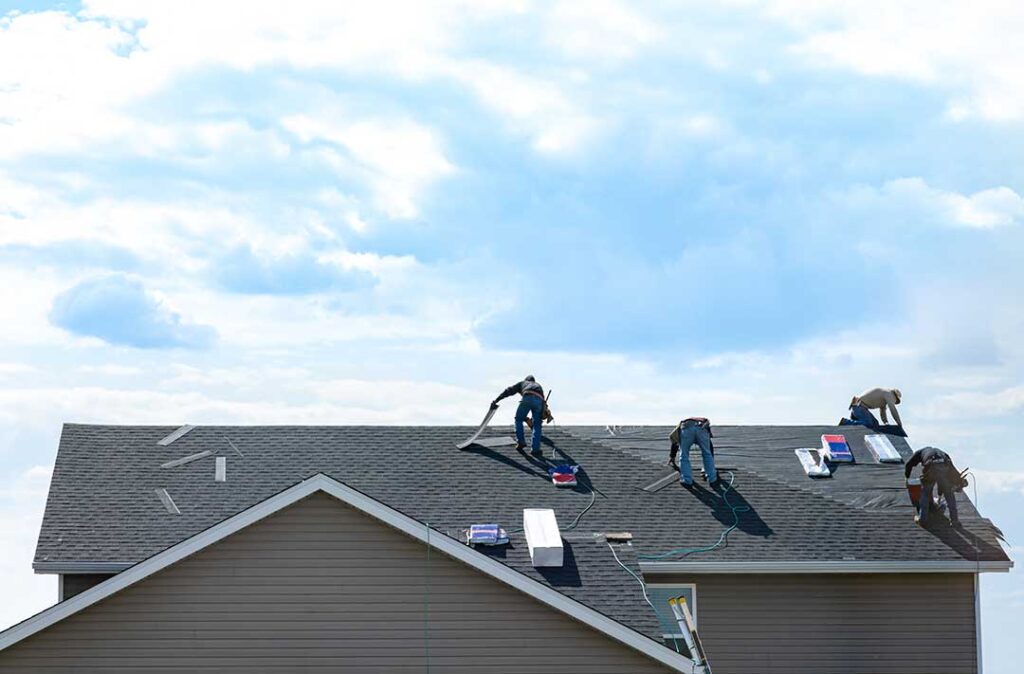
What should Greene, NY homeowners check before winter?
Preparing a roof for winter means looking for conditions that could turn snow, ice, wind, and freeze-thaw cycles into leaks or structural problems. The most useful preparation happens before the first major storm, while the roof, gutters, attic, and exterior areas can still be inspected safely.
Homes in Greene commonly face repeated freezing and thawing during the colder months. That pattern can loosen roofing materials, block drainage with ice, and create leaks that may not become visible indoors until insulation, ceilings, or wall finishes are already damaged.
A thorough seasonal check should include:
- Roof coverings and flashing
- Gutters, downspouts, and drainage paths
- Attic insulation, air sealing, and ventilation
- Chimneys, vents, skylights, and roof penetrations
- Overhanging branches and nearby hazards
- Interior ceilings and attic spaces for early signs of moisture
How can you inspect the roof without climbing onto it?
Most winter preparation can begin from the ground or from accessible attic areas. A roof does not need to be climbed to identify many common warning signs, and walking on a roof becomes especially hazardous when surfaces are damp, frosty, steep, or damaged.
From the ground, look for:
- Missing, cracked, curling, or visibly loose shingles
- Exposed underlayment or roof decking
- Rusted, bent, or separated flashing
- Sagging roof lines
- Large areas of moss or debris
- Gutters pulling away from the house
- Icicle staining or recurring dark streaks below roof edges
Binoculars can help with a visual check from a safe location. Pay particular attention to roof valleys, where water and snow naturally collect, and to areas around chimneys, plumbing vents, skylights, and other penetrations.
If a roof surface must be accessed, winter conditions should not be present. Snow, ice, rain, high winds, and frost can make footing unreliable. A damaged or steep roof also creates fall hazards that are difficult to manage with ordinary household equipment.
Why should gutters and downspouts be cleaned before snow arrives?
Gutters need to carry water away from the roof and foundation during rain, snowmelt, and thawing conditions. Leaves, twigs, roofing granules, and compacted debris can block that flow, causing water to overflow against fascia boards or back up beneath roof edges.
Before winter, remove accumulated debris and check that:
- Gutters are securely attached
- The channels slope toward the downspouts
- Downspouts are open and firmly connected
- Extensions direct water away from the foundation
- End caps and seams are not leaking
- Water can discharge without pooling beside the house
Downspouts that empty close to the foundation can contribute to damp basements, frozen walkways, and ice buildup. During winter, frozen water inside a blocked downspout can add weight and strain to the gutter system.
Do not assume that gutter guards eliminate maintenance. Small particles and roof granules can still collect, and ice can interfere with drainage even when leaves are kept out.
How do you reduce the risk of ice dams?
Ice dams form when heat escapes into the attic and warms portions of the roof. Snow melts on the warmer roof surface, flows toward colder eaves, and refreezes there. As the ice grows, later meltwater can back up beneath roofing materials.
The most effective prevention focuses on the attic and roof assembly rather than simply removing ice after it forms. Check whether insulation is evenly distributed and whether warm indoor air can leak through gaps around:
- Attic hatches
- Plumbing and electrical penetrations
- Chimneys and flues
- Recessed lights
- Ductwork
- Top plates and partition walls
Attic ventilation should also be examined. In a properly designed vented attic, intake air at the eaves and exhaust air near the upper roof help keep roof temperatures more consistent. Insulation should not block soffit vents, and ventilation channels may be needed to preserve airflow above the insulation.
Large icicles are not always proof of a roof defect, but recurring ice dams, wet insulation, stained sheathing, or melting patterns across only part of a roof deserve attention. Heat cables may provide limited relief in specific situations, but they do not correct air leakage, inadequate insulation, or blocked ventilation.
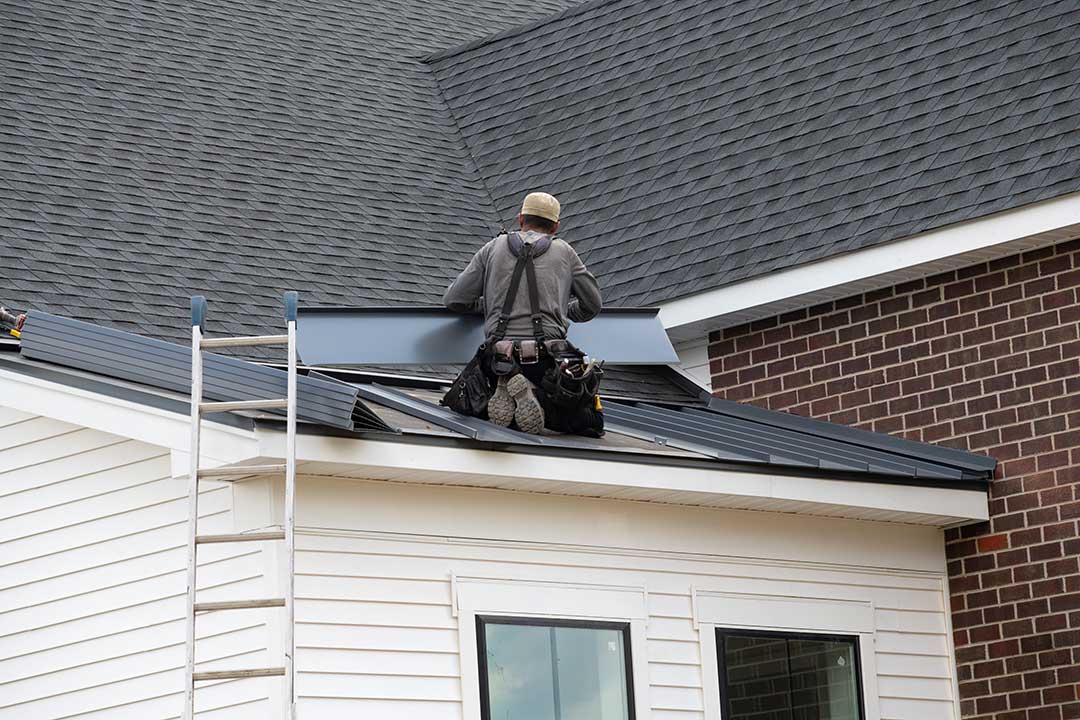
What roof repairs should be completed before winter?
Small defects can become more serious after several cycles of snow, freezing, thawing, and wind. Before winter, address visible issues such as loose shingles, exposed fasteners, damaged flashing, open seams, and cracked vent boots.
Flashing deserves special attention because it protects the joints where roofing meets walls, chimneys, skylights, and other structures. Sealants can deteriorate over time, but adding new caulk over a failed or poorly fitted detail may only conceal the problem temporarily.
Check the condition of attic and roof penetrations from inside as well as outside. A small stain around a vent or chimney may indicate an active leak, condensation, or an older repaired leak. The source is not always directly above the interior stain because water can travel along rafters and roof decking.
Any roof deck that is sagging, soft, or visibly deteriorated should not be treated as a minor cosmetic issue. Structural concerns and repairs involving steep roofs, unstable surfaces, electrical equipment, or chimney systems require appropriate safety precautions and technical knowledge.
Should you remove snow from the roof?
Routine snow removal is not automatically necessary for every home. Many roofs are designed to carry ordinary regional snow loads, but heavy, wet snow can place more stress on the structure than light powder.
Warning signs include:
- Sagging ceilings or roof lines
- Doors that suddenly stick
- New cracks in walls or ceilings
- Unusual popping or creaking sounds
- Snow sliding unevenly from one roof area
- Large snow buildup in valleys or behind rooftop obstacles
Never use a shovel, ladder, or improvised tool from an unsafe position on an icy roof. Pulling snow from the ground can also damage shingles, gutters, siding, or people below if the equipment is used incorrectly. Keep family members, pets, and visitors away from areas where snow or ice may slide from the roof.
What should be checked inside the attic and living spaces?
Interior inspection can reveal problems before a roof leak becomes obvious. In the attic, look for damp insulation, darkened wood, frost, mold-like staining, rusted fasteners, and daylight appearing through areas that should be sealed.
Inside the home, inspect ceilings and upper walls for:
- Brown or yellow water stains
- Peeling paint
- Bubbling drywall
- Damp odors
- Cracks that appear after storms
- Cold spots near attic access panels
Do not cover a stain without first determining whether it is active. A dry-looking ceiling mark can still point to a recurring leak that appears only during wind-driven rain or snowmelt.
What winter roof habits help prevent damage?
After major storms, observe the roof from a safe location. Check for unusual sagging, displaced materials, blocked downspouts, and water entering the attic or upper rooms. Keep gutters clear when conditions allow, but avoid standing on ladders during ice or high winds.
Trim branches that are dead, weak, or positioned to strike the roof. Do not use salt or corrosive de-icing products on roofing or gutters. If ice dams form, avoid chopping them with axes or other sharp tools, since that can damage the roof covering and create hidden leaks.
Good preparation is mostly preventive: keep water moving, keep attic heat and moisture under control, repair visible weak points, and treat roof access as a serious safety issue during winter weather.
