
Why can tree limbs damage a roof?
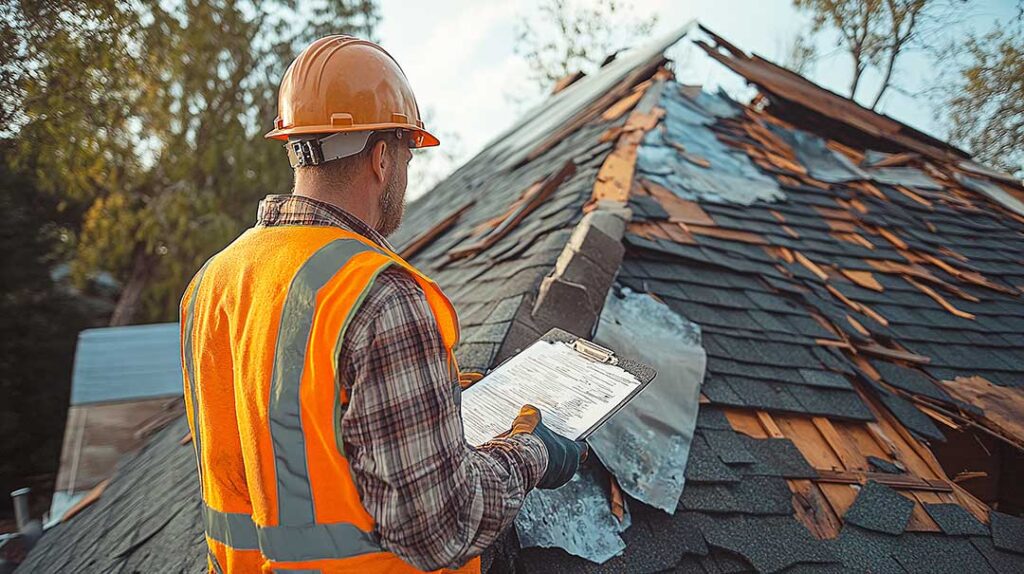
Tree limbs can damage a roof through direct impact, repeated rubbing, falling debris, and trapped moisture. A branch does not have to break through the roof to cause a leak. Smaller limbs may scrape shingles, loosen protective granules, damage flashing, or block drainage.
In Greene, NY, seasonal snow, freezing rain, strong wind, and heavy thunderstorms can increase the strain on trees near homes. A limb that appears stable during calm weather may become hazardous after its weight increases from ice or wet snow.
Roof damage may happen gradually or all at once:
- A branch falls during a storm and punctures shingles or decking.
- Smaller twigs rub against roofing materials as the wind moves the tree.
- Leaves and needles collect in valleys, gutters, and around roof penetrations.
- Broken limbs expose interior wood to rain and repeated freeze-thaw cycles.
- A tree strikes the roof, chimney, skylight, vent, or gutter system.
How do branches cause damage even when they do not fall?
Overhanging branches can act like abrasive tools. Wind-driven movement may wear away the surface of asphalt shingles, especially where a limb repeatedly contacts the same area. Once the protective granules are lost, the shingle becomes more vulnerable to sunlight, water, and temperature changes.
Branches can also scratch metal flashing around chimneys, vents, skylights, and wall intersections. Flashing is designed to direct water away from vulnerable joints. If it bends, separates, or develops a small opening, water may enter beneath the roofing materials.
Another concern is debris. Leaves, bark, seed pods, and small twigs can settle in roof valleys and gutters. When drainage is restricted, water may back up beneath shingles or overflow against fascia boards and siding. In freezing weather, wet debris can become compacted and increase the chance of ice-related damage.
Which parts of a roof are most vulnerable?
The most exposed areas are usually roof edges, valleys, low-slope sections, and roof features that extend above the main surface.
Roof edges can be struck by falling limbs and may also experience wind-driven debris. Valleys collect water and organic material, so even a small amount of blockage can create prolonged dampness. Chimneys, plumbing vents, attic vents, and skylights are common impact points because they interrupt the roof surface.
Gutters and downspouts are also easily damaged. A falling limb can pull gutters away from the fascia, bend them out of alignment, or break a downspout connection. Even without visible roof damage, poor drainage can contribute to rot around eaves and trim.
What warning signs suggest a tree has already affected the roof?
Some damage is obvious, while other problems become visible only after water enters the building. After a windy or icy storm, look for:
- Missing, cracked, lifted, or displaced shingles
- Fresh scrapes or exposed roofing material
- Broken roof vents, flashing, or chimney components
- Dented gutters or separated gutter sections
- Small branches, bark, or unusual debris on the roof
- Water stains on ceilings or upper walls
- Damp insulation, musty odors, or dripping in the attic
- Daylight visible through the roof deck
- A sagging roof area or damaged eave
A ceiling stain may appear several feet away from the actual entry point because water can travel along rafters, insulation, or roof decking. The location of the stain does not always identify the location of the roof damage.
What should residents do after a limb hits the roof?
Safety comes first. Do not climb onto a wet, icy, steep, or visibly damaged roof. A fallen branch may have shifted roofing materials, weakened the deck, or contacted electrical equipment. Stay clear of downed lines and assume they may be energized.
From the ground, document what can be seen safely. Useful observations include:
- The approximate size and location of the limb
- Whether shingles, gutters, vents, or flashing appear damaged
- Whether water is entering the attic or living space
- Whether the tree is split, leaning, uprooted, or still under tension
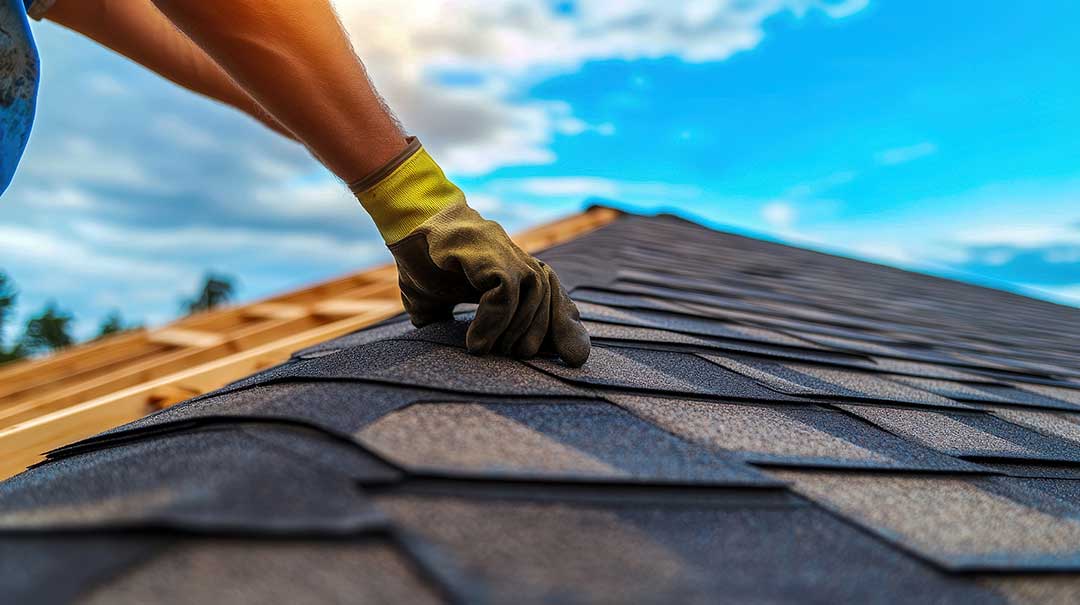
If water is entering, place containers beneath active drips and move belongings away from the area. Avoid disturbing electrical fixtures that are wet. A temporary waterproof covering may reduce further interior damage, but placing one on a roof can be dangerous and should not be attempted during hazardous conditions.
Branches that remain suspended, tangled in utility lines, or supported by another limb should not be cut from the ground. Tension can cause a branch to move suddenly when cut.
How can tree-related roof damage be prevented?
Prevention starts with observing the tree and the roof together. Branches that hang over the roof deserve attention because they can drop debris directly onto the roofing surface and may become contact points during high wind.
Routine precautions include:
- Remove dead, cracked, or visibly weak limbs before severe weather.
- Keep branches from rubbing against shingles, chimneys, vents, and gutters.
- Keep roof valleys and gutters clear of leaves and small branches.
- Watch for mushrooms near the base, hollow sections, large cracks, or unusual leaning.
- Check trees after ice storms, heavy snow, and strong wind.
- Avoid attaching equipment or storage items to limbs near the roof.
- Consider the mature size of trees before planting new ones close to a house.
Tree work near a roof, electrical line, or large suspended limb can involve serious fall and crushing hazards. Conditions involving those risks require qualified, properly equipped tree-care assistance rather than improvised cutting.
Does trimming eliminate all risk?
No. Trimming can reduce contact and remove weak limbs, but it cannot prevent every tree-related problem. A healthy branch can still break under unusual ice or wind loads, and roots may be weakened by saturated soil, excavation, erosion, or previous damage.
The safest approach is ongoing observation rather than a single inspection. Trees change with age, storms, disease, and construction activity. A branch that was safely clear of the roof several years ago may now be touching shingles or blocking a drainage path.
How does local weather increase the risk?
The area experiences several conditions that can stress trees and roofing systems in different ways. Winter storms may add snow or ice to branches, while spring conditions can leave soil saturated and reduce root stability. Summer thunderstorms can bring sudden gusts, and autumn weather may combine wind with weakened or leaf-heavy limbs.
That makes seasonal checks useful. Before winter, inspect trees for deadwood and roof contact. After a major storm, check the roof and drainage system from the ground. In spring, look for limbs that shifted during winter and for new growth that has reached the roof.
Tree maintenance and roof maintenance overlap. Keeping branches clear helps protect shingles, flashing, gutters, attic ventilation, and the interior spaces beneath the roof.
