
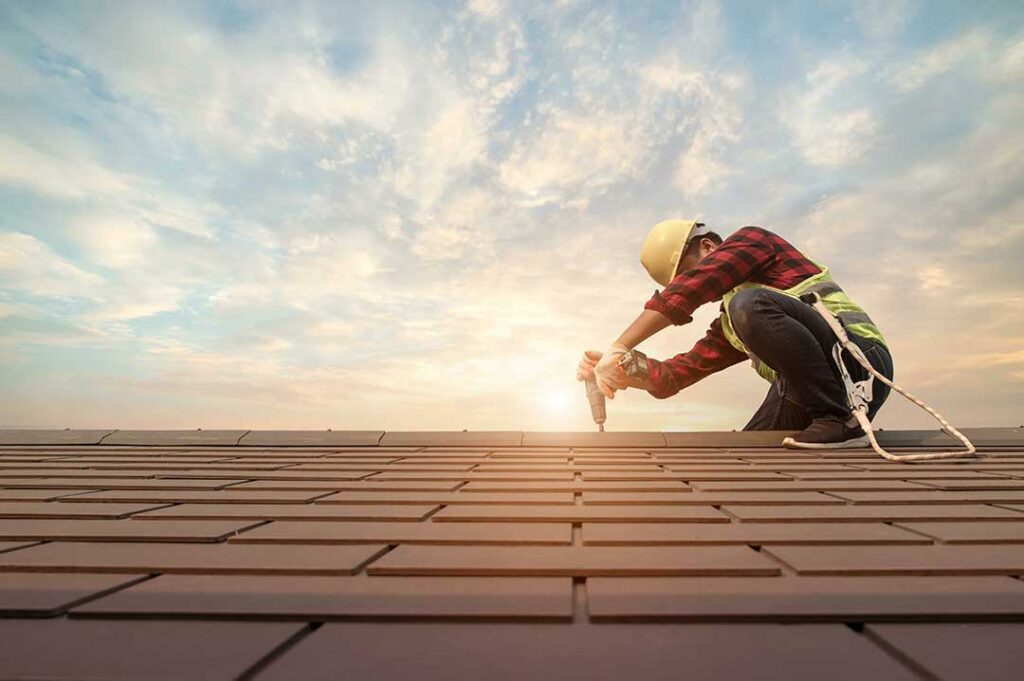
Solar panels can work well on many homes in Greene, NY, but the roof should be evaluated before the equipment is ordered. Roof age, structural capacity, snow conditions, shading, ventilation, and future repair needs all affect whether a rooftop system is a practical choice.
Is the roof ready for solar panels?
A roof should generally be in sound condition, with several years of useful service remaining, before panels are installed. Solar equipment is designed to remain in place for decades, and removing and reinstalling it during a roof replacement adds labor, scheduling challenges, and potential damage risks.
Before installation, consider:
- The approximate age of the roof
- Curling, cracked, loose, or missing shingles
- Soft areas in the roof deck
- Evidence of leaks or past water damage
- Sagging rafters or ceiling movement
- The condition of flashing around chimneys, vents, and roof edges
- Whether the roof has been repaired repeatedly
A roof does not have to be new to support solar panels. However, if the covering is near the end of its expected service life, replacing it first is often more practical than installing panels and addressing the roof later.
How much weight do solar panels add?
Most rooftop solar systems add a relatively modest permanent load, but the total weight must be considered along with snow, wind, and the existing roof assembly. The panels are only one part of the system; mounting rails, fasteners, wiring, and other components also contribute.
In Greene, winter snow is a relevant design factor. Snow can collect around roof features, including panel edges, dormers, valleys, and higher roof sections. Panels may also change the way snow slides or drifts across a roof. A roof that appears strong under ordinary conditions still needs to be evaluated for the combined loads expected during winter weather.
The roof framing, sheathing, connections, and load paths should all be considered. A structural review may be especially useful for older homes, properties with previous alterations, roofs with long spans, or buildings showing signs of movement.
Does roof direction matter?
Roof orientation affects how much sunlight an array receives throughout the year. A roof with good exposure and limited shade may produce useful electricity even if it is not perfectly aligned with the sun.
Trees, neighboring structures, chimneys, dormers, and nearby roof sections can cast shadows. In a wooded or rural setting, seasonal changes matter too. A roof that receives full sun in winter may be shaded by leaves during warmer months, while a tree with bare branches can still block some sunlight.
Roof slope also affects panel placement. Steeper roofs can be more difficult to access and may require additional safety measures during installation and maintenance. Some roof sections may look suitable from the ground but have limited usable area because of vents, skylights, fire-access pathways, or required clearances.
How are panels attached without causing leaks?
Most rooftop systems use mounting hardware connected to the roof framing or structural supports. Those attachment points must be properly located, flashed, sealed, and installed according to the roof-covering and mounting-system requirements.
The main concern is not simply whether holes are made in the roof. The concern is whether water is directed around each penetration and whether the attachment remains secure through wind, snow, freeze-thaw cycles, and temperature changes.
Poorly placed or improperly sealed attachments can lead to:
- Leaks around fasteners
- Damaged shingles or underlayment
- Water entering the roof deck
- Corrosion of mounting components
- Movement of panels during high winds
- Difficult-to-diagnose moisture problems
Solar installation should not interfere with existing flashing, drainage paths, ridge vents, intake vents, or other parts of the roof’s weather-protection system.
Will solar panels affect roof ventilation?
They can, depending on the roof design and panel layout. Panels are usually installed above the roof covering, leaving an air space between the panels and the roof. That space does not automatically replace or improve attic ventilation.
Proper attic ventilation depends on the entire system, including intake ventilation near the eaves and exhaust ventilation near the ridge or upper roof. Panels should not block required vents or make future inspection difficult. If an attic already has moisture, condensation, or ice-dam concerns, those issues should be addressed separately rather than assuming the solar array will solve them.
In a cold climate, roof ventilation and insulation are particularly important because warm attic air can contribute to uneven snow melting and ice formation at the eaves.
What happens to snow on solar panels?
Snow may slide from panels in sheets or release suddenly as temperatures rise. This can create hazards over entrances, walkways, vehicles, lower roofs, or landscaping.
Panel placement should account for areas where falling snow could cause injury or property damage. Snow guards or other protective measures may be appropriate in some locations, especially above frequently used doors and paths.
Homeowners should not climb onto a snowy roof to clear panels. Roof access is hazardous, and scraping equipment can damage the panels or roof covering. Light snow often melts or slides off naturally, although heavy or persistent snow can temporarily reduce electricity production.
What maintenance is still needed?
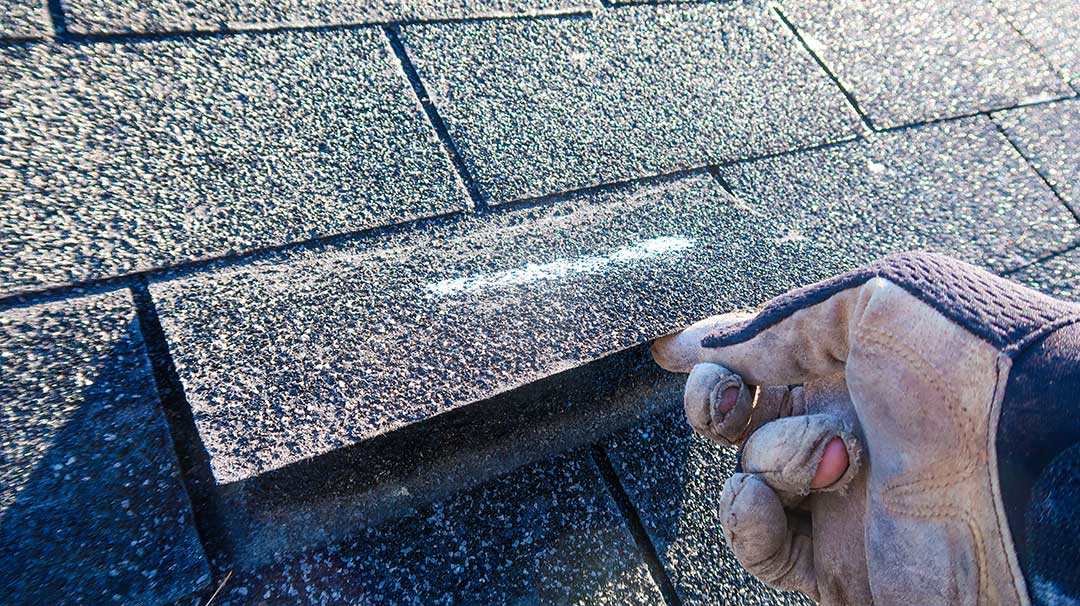
Solar panels do not eliminate roof maintenance. The roof should still be checked periodically for damaged shingles, deteriorated flashing, blocked drainage, and signs of moisture.
Maintenance may also include:
- Inspecting visible wiring and mounting components
- Watching for water stains in the attic or upper floors
- Checking for branches or debris resting against the array
- Monitoring unusual changes in system production
- Keeping gutters and drainage paths clear
- Looking for animal activity beneath panels
Never disconnect or handle electrical components without understanding the system’s safety procedures. Solar panels can produce electricity whenever light reaches them, even if the home’s main power is turned off.
Should solar be installed before or after a roof replacement?
If the roof needs replacement soon, completing that work before installing solar panels is usually the simpler sequence. It avoids paying to remove and reinstall the array and allows flashing, underlayment, vents, and roof edges to be planned as one system.
If the roof is relatively new and has no significant problems, installing solar may be reasonable without replacing it. The decision should be based on the roof’s condition rather than on age alone.
A roof replacement and solar installation also involve different responsibilities. The roof covering must remain watertight, while the solar mounting system must remain securely attached and electrically safe. Clear documentation about warranties, penetrations, and future repair procedures can prevent confusion later.
Are permits and inspections required?
Rooftop solar installations generally involve electrical and building-code requirements, and permits or inspections may apply. Requirements can vary according to the property, system design, roof structure, and local enforcement procedures.
Before work begins, property owners should verify:
- Which permits are required
- Whether structural plans or calculations are needed
- How electrical interconnection is handled
- What inspection stages apply
- Whether roof access or fire-safety clearances must be shown
- Whether historic, zoning, or neighborhood restrictions affect the project
Code requirements also address panel classification, roof penetrations, structural loading, wiring, labeling, and emergency access. These rules are intended to protect the building and the people who may need to access the roof or electrical equipment.
What if the roof is not suitable?
A roof that is shaded, structurally limited, poorly oriented, or near replacement does not necessarily rule out solar power. A ground-mounted system may be an alternative where site conditions, setbacks, drainage, and local requirements allow it.
The most useful first step is to treat the roof and the solar array as connected parts of the same building system. A sound roof, appropriate structural design, careful water protection, and a plan for winter conditions matter just as much as the number of panels that fit on the roof.
