
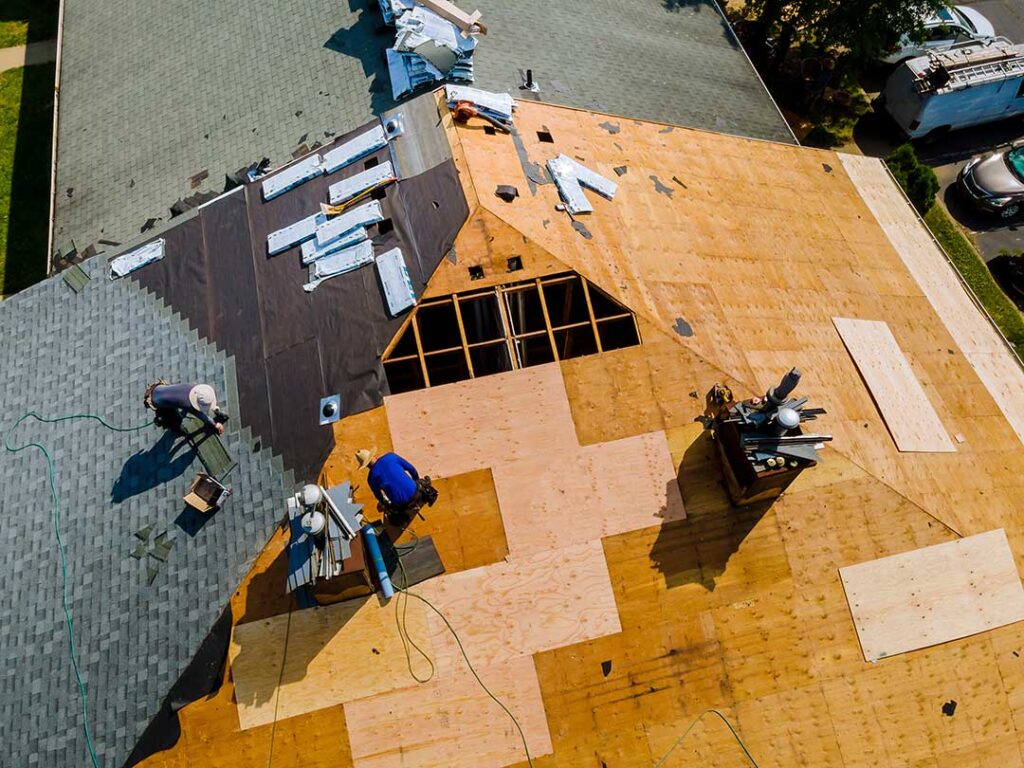
Why rooftop work deserves caution
Roof work is more dangerous than it may appear from the ground. Sloped surfaces, loose roofing materials, hidden weak spots, ladders, electrical lines, and changing weather can turn a short task into a serious fall or injury.
For homeowners in Greene, NY, seasonal conditions add practical concerns. Snow, ice, spring moisture, summer heat, wind, and wet leaves can all affect footing and roof stability. Many routine observations can be made safely from the ground, while climbing onto the roof should be limited to situations where the conditions, equipment, and experience are appropriate.
Is it safe to walk on a roof?
Walking on a roof is not automatically safe, even when the roof looks dry and intact. Asphalt shingles can become brittle, loose, or slippery, and areas around valleys, chimneys, skylights, vents, and roof edges may be weaker than they appear.
Avoid walking on the roof when:
- Shingles, metal panels, or other roofing surfaces are wet, frosted, icy, or covered with snow
- Wind is strong enough to affect balance or move ladders
- The roof has a steep slope or an unfamiliar design
- Roofing materials appear cracked, curled, loose, or soft
- There are visible areas of sagging, water damage, or moss growth
- Lightning, heavy rain, or rapidly changing weather is present
- The work requires moving across a large area or carrying bulky materials
A roof can also be damaged by foot traffic. Shingles may lose protective granules, flashing can bend, and older roofing may crack under concentrated pressure. For many inspections, binoculars or a camera with optical zoom provide safer information than climbing.
How can a homeowner inspect a roof from the ground?
A ground-level inspection can identify many warning signs without exposing anyone to fall hazards. Walk around the house and look at the roof from several angles, especially after heavy wind, a winter storm, or a period of intense rain.
Look for:
- Shingles that are missing, lifted, curled, cracked, or noticeably darker than surrounding areas
- Granules collecting in gutters or at the base of downspouts
- Sagging along the roofline or between structural supports
- Damaged or displaced flashing around chimneys, vents, and other roof openings
- Daylight visible through the attic roof deck
- Water stains, damp insulation, musty odors, or active dripping in the attic
- Tree limbs touching the roof or hanging over it
- Ice buildup along eaves during freezing weather
- Gutters that pull away from the fascia or overflow during rain
A roof should be viewed from the attic as well as from outside. Attic observations can reveal moisture problems before they become visible inside living areas. Do not step on areas of discolored or sagging decking, since the surface may not support weight.
What is the safest way to use a ladder?
Many roof-related injuries happen before a person reaches the roof. A ladder should stand on firm, level ground and be positioned away from slippery surfaces, loose soil, snow, ice, and uneven landscaping.
Before climbing:
- Inspect the ladder for bent rails, damaged feet, loose hardware, or contamination from oil and mud
- Keep the area at the base clear of children, pets, tools, and other obstacles
- Set an extension ladder at a stable angle rather than placing it nearly vertical
- Secure the ladder so it cannot shift sideways or slide outward
- Keep the upper portion supported by a strong, stable surface
- Maintain three points of contact while climbing
- Face the ladder and keep both hands available whenever possible
- Do not carry large tools or materials while climbing
- Never stand on the top cap or the highest prohibited steps
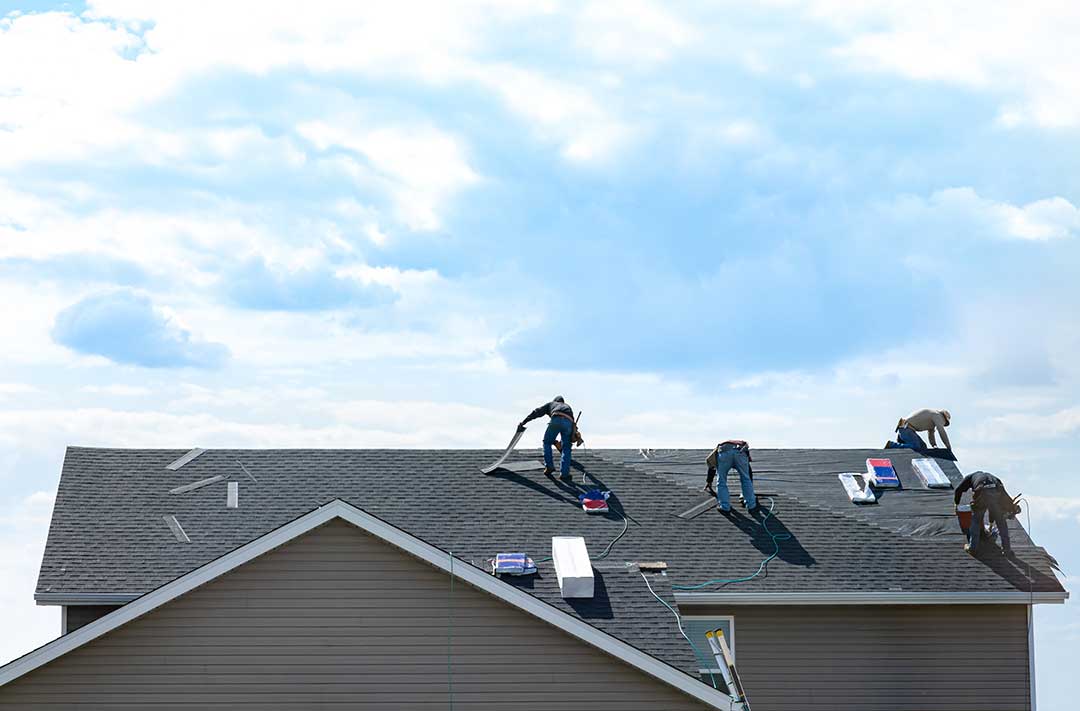
Avoid placing a ladder near overhead electrical wires. Even a ladder that does not touch a wire can create a dangerous path for electricity. If the work area cannot be made clear of electrical hazards, do not proceed.
Should snow and ice be removed from a roof?
Snow and ice removal can be hazardous and may damage roofing materials. Snow loads are not distributed evenly when drifting occurs, and ice can conceal weak areas, roof edges, and skylights.
Homeowners should not climb onto a snow-covered or icy roof. Pushing snow from the ground with a long-handled tool can also create risks, including falling snow, damaged shingles, blocked exits, and loss of balance. Snow sliding from a roof may strike people, damage property, or bury walkways.
Watch for warning signs such as bowed ceilings, sticking doors, cracking sounds, visible roof sagging, or unusually large snow accumulation. If these conditions appear, keep people away from the affected area and treat the situation as an urgent structural safety concern.
Ice dams can cause water to back up beneath roofing materials, but chopping ice with a hammer or sharp tool may puncture the roof. Preventive measures generally involve attic insulation, air sealing, and balanced ventilation rather than forceful removal from above.
What precautions help with minor rooftop tasks?
Some tasks, such as replacing a vent cap or making a small repair, may require specialized equipment and knowledge. A homeowner should not climb onto a roof simply because the task appears short.
If a minor task is attempted, use these precautions:
- Read and follow the ladder and equipment instructions
- Wear slip-resistant footwear with clean soles
- Keep tools secured so they cannot slide or fall
- Avoid working alone; make sure another adult knows where you are
- Keep clear of roof edges, skylights, and fragile surfaces
- Stop immediately if footing changes, weather worsens, or materials shift
- Never work while impaired, fatigued, dizzy, or distracted
Fall protection is more than a basic ladder. Proper roof work may require secured anchors, a harness system, guardrails, or other equipment used correctly. Improvised ropes, unsecured boards, and ordinary belts do not provide reliable fall protection.
How should homeowners respond after a storm?
After high winds or severe weather, inspect the property from the ground first. Stay away from downed wires, damaged trees, leaning structures, and areas where roofing materials may have fallen.
Do not enter an attic if the ceiling below is bulging, water is near electrical fixtures, or structural damage appears possible. Place containers under interior drips only when doing so does not require standing beneath an unstable ceiling. Move valuables away from active leaks if it can be done safely.
Temporary coverings can reduce water entry, but placing a tarp on a damaged roof is dangerous for anyone without appropriate fall protection. A damaged roof may also contain exposed nails, broken decking, or unstable materials that are not visible from below.
When should a homeowner avoid climbing altogether?
A homeowner should remain off the roof when the surface is wet, icy, snow-covered, steep, visibly damaged, or difficult to access safely. Climbing should also be avoided if the task involves electrical hazards, structural concerns, extensive repairs, or unfamiliar materials.
Safety takes priority over confirming every detail personally. Photographs from the ground, attic observations, and notes about when a leak appears can provide useful information without creating another emergency. In hazardous conditions, qualified assistance may be necessary for inspection or repair, particularly when fall protection, structural stability, or electrical safety is involved.
