

What does hurricane season mean for a roof in Greene, NY?
The Atlantic hurricane season officially runs from June 1 through November 30, with the greatest concentration of activity generally occurring from August through October. Even when a hurricane does not reach the area directly, its remnants can bring strong wind, heavy rain, falling branches, and rapid changes in weather conditions.
For homes in Greene, roof preparation is less about expecting a direct coastal hurricane and more about reducing vulnerabilities before a powerful storm system arrives. Older roofing materials, loose flashing, clogged drainage, weak tree limbs, and poorly secured outdoor items can turn a heavy rainstorm into a preventable repair problem.
What should be checked first?
Begin with a ground-level inspection, then arrange for a closer evaluation only if it can be done safely. Look for signs that the roof system may already have weaknesses:
- Missing, curled, cracked, or lifted shingles
- Dark areas or exposed fasteners around roof surfaces
- Sagging along the roofline or near valleys
- Damaged chimney flashing or loose metal edging
- Peeling sealant around vents, pipes, skylights, or other roof openings
- Granules collecting in gutters or at the ends of downspouts
- Water stains on ceilings, attic insulation, or upper-level walls
A roof that already has loose materials is more likely to experience additional damage when wind pressure increases. Small defects can also allow wind-driven rain to enter beneath shingles, even when the visible roof surface appears mostly intact.
Walking on a wet or steep roof is hazardous. Roof access should not be attempted during windy conditions, and attic areas should be entered carefully because wet insulation, exposed nails, and damaged ceiling materials can create additional risks.
How can gutters and drainage reduce storm damage?
Clean gutters and properly directed downspouts help move heavy rainfall away from the roof and foundation. Leaves, twigs, and seasonal debris can block water flow, causing water to back up beneath roofing materials or overflow against siding and trim.
Before severe weather:
- Remove debris from gutters and roof valleys where safely accessible.
- Check that downspouts remain firmly attached.
- Confirm that downspouts discharge several feet away from the foundation when site conditions allow.
- Look for sagging gutter sections or separated joints.
- Make sure extensions have not been crushed, displaced, or blocked.
In Greene, older homes and houses surrounded by mature trees may collect debris quickly during summer storms. Checking drainage before a forecast is more useful than waiting until rain has already started.
Which roof details are most vulnerable to wind-driven rain?
Roof openings and transition points often deserve more attention than the middle of a shingle field. Flashing around chimneys, plumbing vents, dormers, skylights, and wall intersections can loosen or deteriorate over time.
Wind-driven rain may enter through a small opening and travel along roof decking, rafters, insulation, or wall cavities before appearing as an interior stain. The location of an indoor water mark does not always identify the actual entry point.
Look for cracked or shrinking sealant, lifted flashing, rusted metal, loose vent covers, and deteriorated rubber boots around plumbing pipes. These components should not be covered with improvised materials such as household tape or plastic sheeting as a permanent repair. Temporary coverings may also trap moisture or detach during high winds.
Should trees and nearby branches be part of roof preparation?
Yes. Branches are a major source of roof damage during severe weather, particularly where trees overhang the house or are close enough to strike the roof when they fall.
Inspect trees for:
- Dead or hanging branches
- Split limbs
- Decay around branch unions
- Leaning trunks
- Branches rubbing against the roof
- Limbs that could reach chimneys, dormers, gutters, or utility lines
Tree work near a roof or power line can be dangerous. A branch that appears small from the ground may be heavy enough to damage shingles, decking, gutters, or framing. The safest approach is to avoid climbing trees or using ladders near unstable limbs, especially before a storm.
What outdoor items should be secured?
Roof damage is not caused only by wind acting on the roof itself. Loose objects can become airborne and strike shingles, siding, windows, or roof edges.
Before strong weather arrives, secure or store:
- Patio furniture
- Grills and lightweight outdoor equipment
- Yard decorations
- Empty containers and planters
- Children’s play items
- Ladders and hand tools
- Temporary signs or loose construction materials
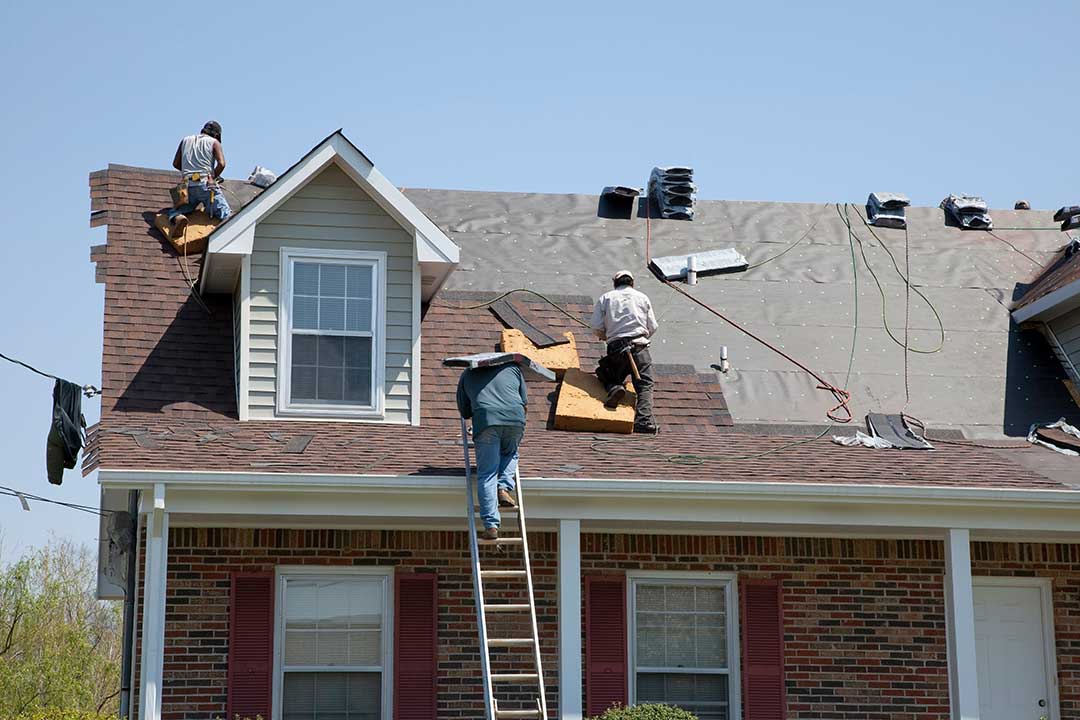
Check that satellite dishes, antennas, solar equipment, and other roof-mounted items appear stable. Do not climb onto the roof to adjust them during a storm warning. A loose object on or near the roof can damage surrounding materials even if the roof covering remains intact.
Does attic ventilation matter during storm preparation?
Proper attic ventilation does not make a roof hurricane-proof, but it supports the long-term health of the roof system. Good airflow helps limit excess heat and moisture, which can contribute to deteriorated decking, mold growth, and weakened insulation.
Before storm season, inspect the attic for:
- Damp insulation
- Water stains or daylight visible through the roof deck
- Rusted nails or metal components
- Mold-like growth
- Blocked soffit vents
- Damaged ridge or gable vents
Vent openings should not be sealed casually in an attempt to keep out wind or rain. Ventilation systems are designed as part of the roof assembly, and blocking them can create moisture problems. If a vent is visibly damaged or allows water entry, the issue should be addressed safely before severe weather.
What should homeowners do after a severe storm?
Wait until the storm has fully passed and conditions are safe. Do not assume a roof is undamaged simply because there is no ceiling leak. Wind can loosen shingles or flashing that may not cause water intrusion until the next rainfall.
From the ground, check for:
- Missing shingles or exposed underlayment
- Debris resting on the roof
- Damaged gutters or downspouts
- Fallen branches
- Loose flashing
- New ceiling stains or damp attic areas
- Water entering around windows, chimneys, or roof penetrations
If water is entering the home, place containers beneath active drips and move furnishings away from the affected area when possible. Avoid electrical fixtures or outlets that may have become wet. Do not climb onto the roof to inspect storm damage while surfaces are wet, dark, or unstable.
Photographs taken from the ground and notes about when damage was discovered can help document conditions for household records or insurance purposes. Temporary protection should only be installed if it can be done without climbing onto an unsafe roof or placing anyone near downed wires.
What is the most commonly overlooked preparation step?
The most overlooked step is correcting small problems before a storm forecast creates urgency. A loose shingle, blocked gutter, deteriorated pipe boot, or dead branch may seem minor during ordinary weather but can become a larger problem when combined with wind and heavy rain.
A brief seasonal review of the roof, drainage system, attic, trees, and outdoor items gives residents a clearer picture of the home’s vulnerabilities. In a region where summer thunderstorms, remnants of tropical systems, and strong autumn weather can all affect roofing, preparation is useful even when no hurricane is expected to pass directly overhead.
