
A new roof can improve a home’s marketability, reduce buyer concerns, and protect the condition of the structure. It does not automatically add the full replacement cost to the selling price, but it can help prevent price reductions, repair negotiations, financing complications, and delays.
For homeowners in Greene, NY, roofing decisions also have to account for winter weather, freeze-thaw cycles, wind, snow, ice, and moisture. Those conditions make the roof’s remaining service life especially relevant when a property is evaluated for sale or refinance.
Does a new roof increase a home’s value?
Usually, a new roof improves the overall condition and appeal of a home more reliably than it increases the appraised value by an equal dollar amount.
A roof is a major building component, but it is also considered part of normal home maintenance. Buyers generally expect the home’s primary systems to be functional. Because of that, replacing an old roof may preserve value rather than create a dramatic premium.
The financial effect is often strongest when the existing roof is near the end of its useful life. A new roof can:
- Make the property easier to market
- Reduce concerns about leaks and hidden damage
- Give buyers more confidence in the home’s maintenance history
- Limit requests for credits or repairs
- Help the property compare favorably with similar homes
- Reduce the chance that a sale will be delayed by roof-related questions
A roof that is already in good condition may add less noticeable value than a roof replacement that eliminates a serious deficiency.
Why does roof condition matter so much during a sale?
The roof protects insulation, ceilings, walls, framing, electrical components, and personal belongings. Visible deterioration can suggest that other parts of the home may also have moisture damage.
Buyers and inspectors commonly look for:
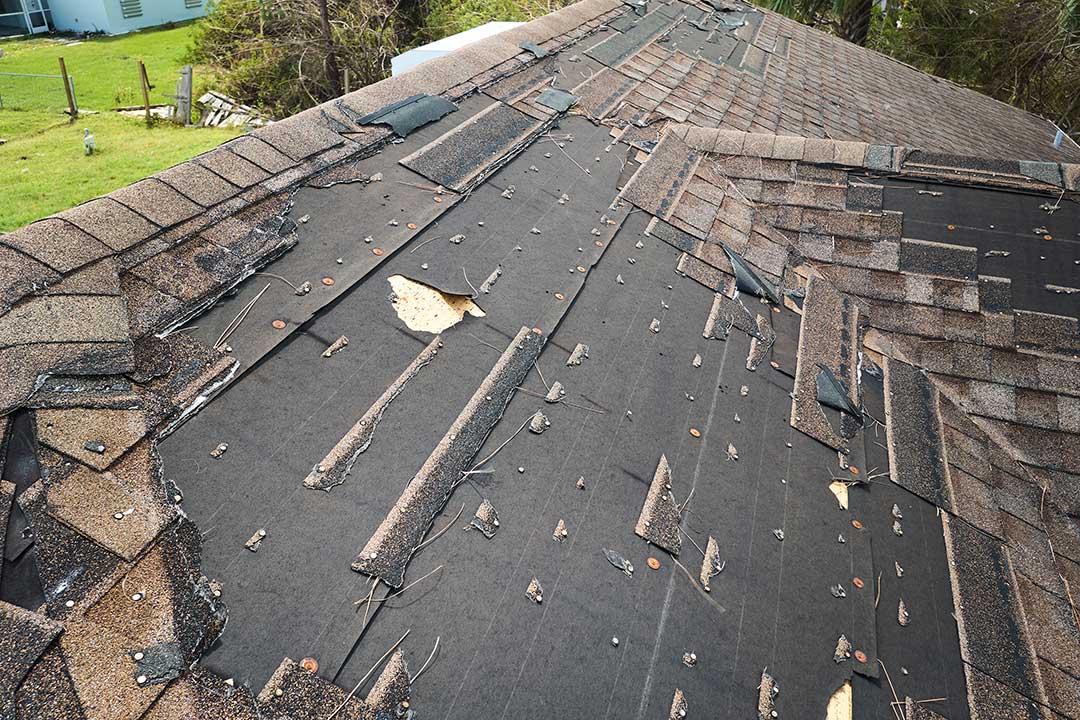
- Missing, cracked, curled, or brittle shingles
- Exposed fasteners or damaged flashing
- Sagging roof lines
- Stains on attic insulation or ceiling surfaces
- Damp wood, mold-like growth, or musty odors
- Poor ventilation or excessive attic moisture
- Damaged gutters, downspouts, or roof drainage areas
- Signs of ice damming or repeated winter leakage
A roof that appears worn may lead buyers to assume that the replacement cost is higher than it really is because the condition of the sheathing, flashing, ventilation, and interior damage is not yet known.
That uncertainty has value. Some buyers respond by lowering an offer, requesting a credit, or walking away. A recently completed roof can remove much of that uncertainty, particularly when installation records and material information are available.
Does a new roof recover its full cost?
Not necessarily. Home improvements rarely return their entire cost in the form of a higher sale price, and roofing is no exception.
The amount recovered depends on several factors:
- The age and condition of the previous roof
- The size and design of the home
- The quality of the installation
- Whether hidden damage was repaired
- The appearance of the new roof
- Local buyer expectations
- Comparable homes currently on the market
- Whether the replacement was needed for basic habitability or was primarily an upgrade
Replacing a failing roof is different from replacing a roof that still has many years of dependable service remaining. In the first situation, the work may protect the home from losing value. In the second, the improvement may be more difficult to recover through resale.
A replacement should therefore be viewed as both a property-protection decision and a marketability decision, not simply as a guaranteed investment.
How does a new roof affect an appraisal?
An appraiser considers the roof as part of the home’s overall condition. A newer roof may support a favorable condition assessment, especially when other homes being compared have older or visibly deteriorated roofing.
However, an appraiser does not generally add the exact invoice amount to the property’s value. The analysis focuses on the condition and usefulness of the entire property, along with recent sales of similar homes.
Roof problems can have an outsized effect if they raise questions about safety, water intrusion, or remaining service life. In some lending situations, significant deterioration may require repairs or further evaluation before financing can proceed.
For homeowners preparing to sell, useful records may include:
- The approximate installation date
- Material information
- Permit documentation, when applicable
- Warranties that can be transferred
- Invoices for repairs or replacement
- Photos taken before and during the work
- Documentation of related attic, flashing, or ventilation repairs
Clear records do not guarantee a higher appraisal, but they make the roof’s condition easier to understand.
Why are local weather conditions relevant?
A roof in this area must perform through changing seasons rather than a single type of weather. Snow accumulation, wind, ice, heavy rain, and repeated freezing and thawing can expose weaknesses in shingles, flashing, valleys, and drainage systems.
Older homes may also have roofing assemblies that were installed under earlier construction practices. The roof covering may not be the only issue. Ventilation, insulation, roof-to-wall transitions, chimney flashing, and areas around skylights or plumbing penetrations can all affect durability.
A new roof has the greatest value when it addresses the complete roof system instead of covering only the most visible surface. Proper underlayment, flashing, ventilation, drainage, and sound roof decking can matter as much as the shingles themselves.
Seasonal maintenance also affects how long the improvement remains valuable. Leaves, moss, blocked drainage, ice buildup, and neglected flashing can shorten the service life of a new roof.
Is replacing the roof before selling always the right choice?
No. Timing depends on the roof’s actual condition, the expected selling timeline, available funds, and the likely response from buyers.
Replacement may deserve serious consideration when:
- Leaks are active or recurring
- The roof has widespread deterioration
- A roofer or inspector has identified structural or moisture concerns
- The roof is likely to become a negotiation issue
- Comparable homes are being offered with newer roofs
- The property may have difficulty meeting a buyer’s lending or insurance requirements
Repair or disclosure may be more appropriate when the roof has substantial remaining life and only limited defects. A repair should address the cause of the problem rather than simply conceal visible damage.
The choice should be based on condition and market circumstances, not on the assumption that every roof replacement produces a matching increase in sale price.
What makes a roof replacement more valuable to buyers?
Buyers tend to respond favorably to a roof that appears well planned, properly installed, and supported by records. The color or style matters, but long-term confidence matters more.
A replacement is more likely to support value when it includes:
- Good-quality, compatible materials
- Proper flashing at vulnerable areas
- Adequate attic ventilation
- Sound decking and framing
- Correct drainage and gutter integration
- Compliance with applicable New York State requirements
- Evidence that moisture damage was corrected
- Written documentation of the completed work
A new roof should also look consistent with the home. An installation that is visually mismatched, poorly detailed, or incomplete around chimneys and roof edges may create new questions instead of resolving old ones.
What is the practical takeaway for homeowners?
A new roof can improve a home’s value most by protecting the property’s condition and reducing buyer uncertainty. The benefit may appear as a stronger offer, fewer concessions, a smoother inspection, or a better comparison with competing homes rather than as a dollar-for-dollar return.
For homeowners planning to remain in the property, the decision is primarily about protection and reliability. For those considering a sale, the roof’s age, visible condition, documentation, and remaining service life should be evaluated alongside the rest of the home—not treated as an isolated upgrade.
