
What does a roof fire rating mean?
A roof fire rating describes how a complete roof assembly performs when exposed to fire from outside the building. In Greene, NY, homeowners may see ratings listed as Class A, Class B, or Class C on roofing product packaging, technical documents, inspection records, or permit materials.
The rating is not simply a statement about whether a roof covering can burn. It reflects how the roof system responds to flame spread, fire penetration, and, in some testing conditions, the ability to resist fire traveling across the roof surface.
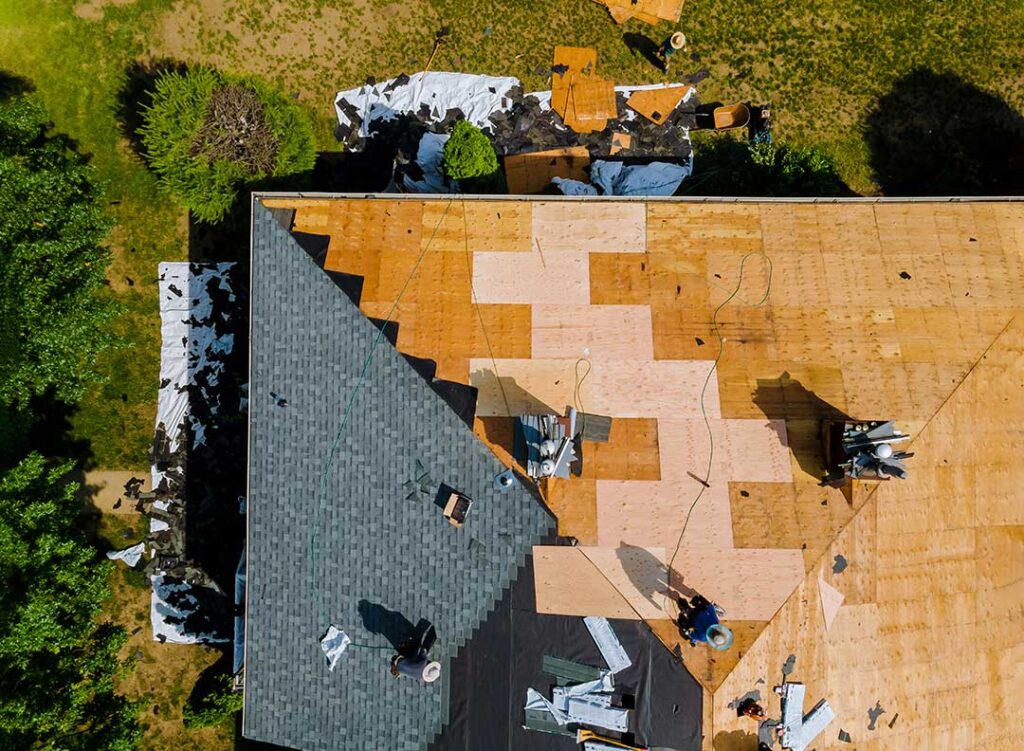
A roof assembly can include several components:
- The exterior roof covering
- Underlayment
- Flashing and related materials
- Roof sheathing or deck
- Insulation or other layers beneath the covering
Because these parts work together, a roof’s classification may depend on the exact combination of materials and the approved installation method.
What are Class A, Class B, and Class C ratings?
Class A provides the highest level of fire performance recognized in the standard roof-covering classification system. Class B provides moderate protection, while Class C provides protection against lighter fire exposure.
The basic meaning is:
- Class A: Effective against severe fire-test exposure
- Class B: Effective against moderate fire-test exposure
- Class C: Effective against light fire-test exposure
A higher classification does not mean the roof is fireproof. Embers, flames from nearby structures, chimney-related incidents, electrical problems, and fire entering through vents or openings can still threaten a building.
Many commonly used residential roof systems are available in Class A configurations. However, the classification should be verified for the full assembly rather than assumed from the appearance or general material category.
Is a Class A roof always made of metal, tile, or slate?
No. Class A is a performance classification, not a material name.
Some metal, clay tile, concrete tile, and slate assemblies may qualify as Class A under specified conditions. Asphalt-based roof coverings can also receive Class A classifications when tested and installed as part of an approved assembly.
The roof deck and underlayment can affect the result. For example, a roof covering that has a Class A rating in one tested assembly may not retain that classification if it is installed over a different deck, with different underlayment, or contrary to the manufacturer’s instructions.
This is one reason product labels and installation documentation matter more than broad descriptions such as “fire-resistant shingles” or “noncombustible roofing.”
How are roof fire ratings tested?
Roof coverings and assemblies are commonly evaluated under standardized fire tests, including tests associated with ASTM E108 or UL 790. These tests examine factors such as:
- How readily flames spread across the roof
- Whether burning material penetrates the roof assembly
- How the assembly reacts to fire exposure from above
- Whether burning brands or embers create additional hazards
Testing is performed on a defined assembly. The result may apply only when the listed roof covering, underlayment, deck, fasteners, slope, and installation details are used as specified.
A label that identifies a product as Class A should not be interpreted as approval for every possible roof configuration. Substituting materials can change the tested performance.
Does the roof covering alone determine the rating?
Usually, no. The classification applies to the roof assembly or an approved roof-covering system, not necessarily to the visible outer layer by itself.
Underlayment is an often-overlooked part of this issue. It may help prevent fire penetration and can be necessary for the tested classification. The same principle applies to roof sheathing, insulation, ventilation details, and the way materials are fastened.
This matters during reroofing. Installing a new covering over an existing roof may not create the same fire-rated assembly shown in the product documentation. Multiple roof layers can also affect ventilation, weight, moisture management, and how the roof performs in a fire.
What fire-rating rules apply in New York?
New York’s building codes include requirements for roof assembly classifications based on the type of construction, building use, separation from property lines, and other conditions. The 2025 New York State Uniform Code became fully effective on December 31, 2025, although the specific requirements for a project depend on the building and the work being performed.
For ordinary residential work, the applicable code provisions may differ from those used for larger, taller, attached, or nonresidential buildings. Townhouse roof conditions, shared walls, roof openings, and limited distance between buildings can create additional requirements.
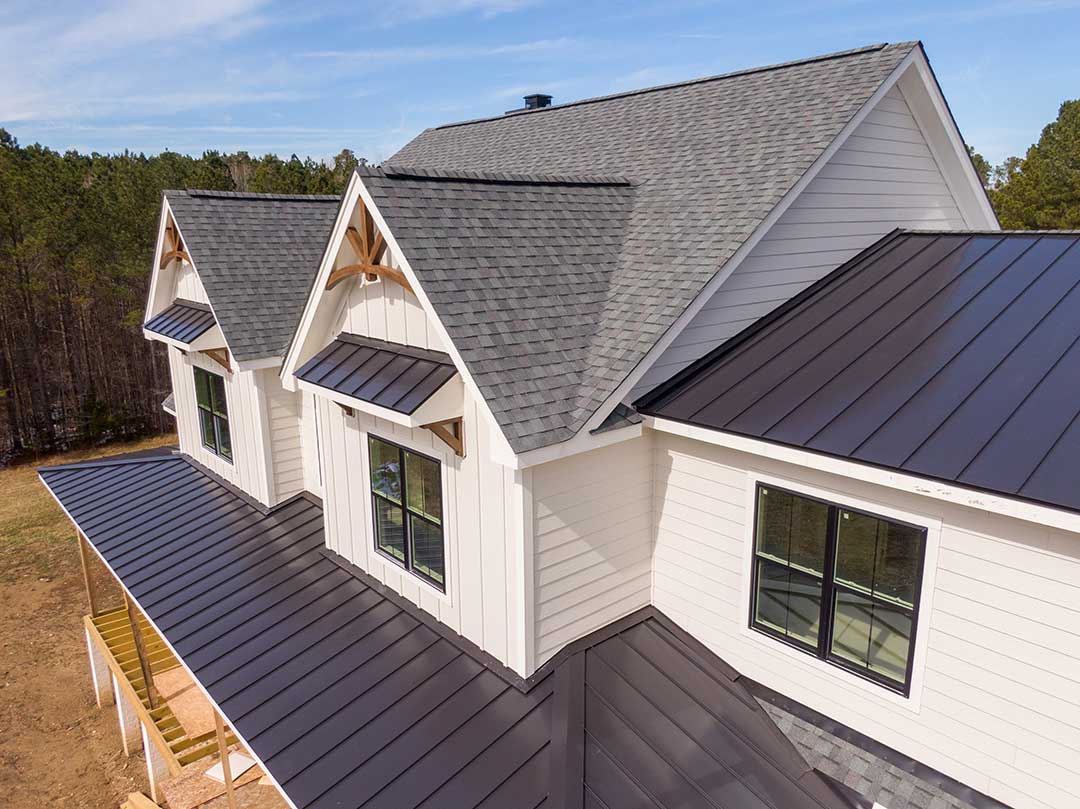
A permit application, alteration, addition, or roof replacement may also be reviewed under code provisions that differ from those used when the original roof was installed. Existing buildings are not automatically required to meet every provision for new construction, but substantial work can trigger current requirements.
For a project involving shared walls, unusual construction, a change in occupancy, or a building close to a lot line, code verification is especially important.
Does roof pitch affect fire classification?
Yes, it can. Fire testing and product listings may specify acceptable roof slopes. A product tested on a relatively steep roof should not automatically be assumed to have the same classification on a low-slope roof.
Slope can influence how flames move, how heat accumulates, and how materials behave during testing. Installation instructions may also specify minimum slopes for weather protection, regardless of fire classification.
A roof that has a suitable fire rating but an improper slope can still experience leakage, wind damage, or premature failure.
Are wood shingles and shakes automatically unsafe?
No, but untreated wood roofing generally requires more careful evaluation than many noncombustible or tested composite systems. Fire-retardant-treated wood shingles and shakes must meet specific treatment, labeling, and installation requirements to qualify for a recognized classification.
Older wood roofing may not have documentation showing its treatment or classification. Weathering, surface deterioration, gaps, moss, accumulated debris, and nearby vegetation can also affect practical fire exposure even when a material was originally approved.
In areas with mature trees or properties separated by relatively short distances, keeping roof valleys, gutters, and roof-to-wall intersections clear of dry debris can reduce ember-related concerns. Routine maintenance does not change a roof’s formal classification, but it can influence how vulnerable the building is to an ignition source.
Do solar panels have a roof fire rating?
Rooftop photovoltaic panels and mounting systems are evaluated as systems with their own fire-classification requirements. The rating must be compatible with the roof construction and the applicable code provisions.
Solar equipment can alter the roof’s exposure to fire, affect access for firefighters, and create penetrations or concealed spaces beneath the panels. The roof covering, panel system, mounting method, and required clearances should therefore be considered together.
A roof’s existing Class A classification does not automatically establish the classification of a later-installed photovoltaic system.
What should homeowners check in roof documents?
Useful records may include:
- Product packaging or manufacturer installation instructions
- A classification label from an approved testing agency
- The exact roof-covering model and assembly designation
- Underlayment and flashing specifications
- Permit documents for recent roofing work
- Records identifying whether the roof has one or multiple layers
The most reliable information identifies the complete tested assembly rather than using general terms such as “fire-rated” or “fire-resistant.”
For older homes, documentation may be limited. In that situation, the visible material alone may not reveal the roof’s classification, especially if the roof has been repaired, layered, or altered over time.
Fire rating is only one part of roof safety. In the seasonal conditions common to Greene, NY, snow, ice, wind, moisture, fallen branches, and freeze-thaw cycles can also affect the roof’s condition and the performance of its protective layers. A properly classified assembly still depends on correct installation, intact flashing, sound sheathing, and regular attention to damage or deterioration.
