
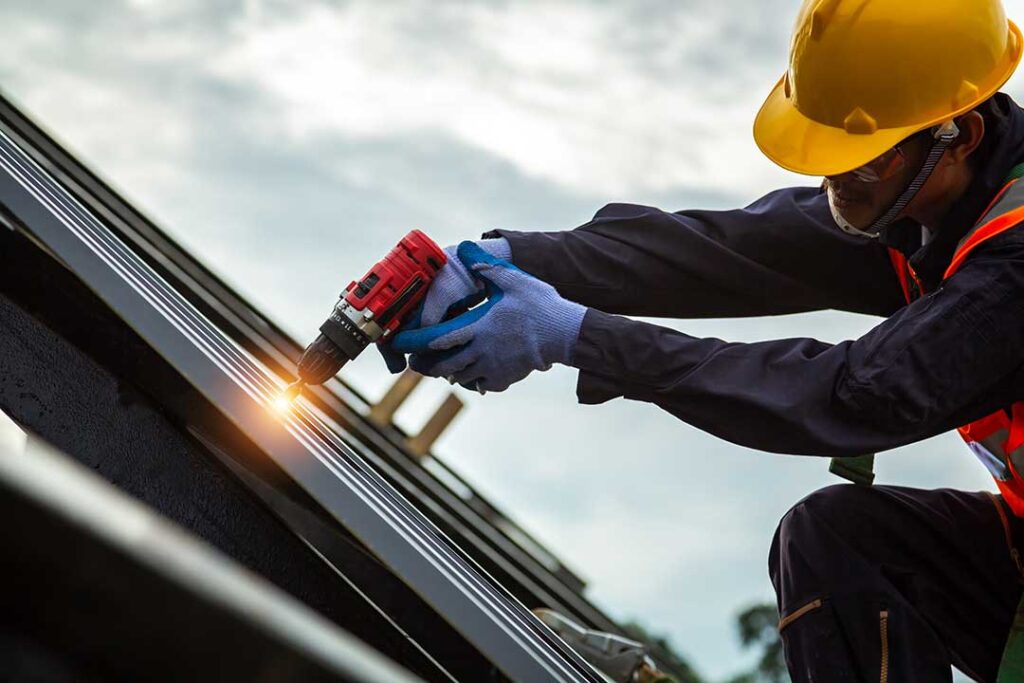
Roof coatings are liquid-applied materials designed to protect and extend the service life of an existing roof. Depending on the product, a coating may improve water resistance, reflect sunlight, seal small surface imperfections, or reduce weathering.
A coating can be useful in the right situation, especially on a sound low-slope roof. It is not a universal substitute for roof replacement, and applying it over a failing roof can hide problems rather than solve them.
What does a roof coating actually do?
A roof coating forms a continuous layer over an existing roofing surface. Common formulations include acrylic, silicone, polyurethane, and rubber-like elastomeric products. Some are designed mainly for reflectivity, while others are intended to improve waterproofing or protect the underlying roofing material from ultraviolet exposure.
The coating itself is only one part of the system. Performance also depends on:
- The condition and type of the existing roof
- Surface preparation and cleaning
- Repair of leaks, seams, flashing, and penetrations
- Proper drainage
- Application thickness
- Temperature and moisture conditions during installation
- Compatibility between the coating and the existing roofing material
A coating does not strengthen a deteriorated roof deck, replace damaged insulation, correct poor ventilation, or repair structural movement.
What are the main advantages?
The strongest argument for a roof coating is that it may extend the useful life of an existing roof without removing the entire roofing assembly. This can reduce tear-off waste and limit disruption, provided the roof is still fundamentally sound.
Potential benefits include:
- Additional water resistance: Some elastomeric and silicone coatings create a seamless membrane that helps protect against rain and minor surface cracking.
- Protection from sunlight: Reflective coatings can reduce ultraviolet exposure and solar heat absorption.
- Lower roof temperatures: Light-colored coatings reflect more sunlight than dark roofing surfaces. This may reduce heat entering the building during sunny summer weather.
- Fewer seams and exposed details: A properly applied coating can cover portions of an aging surface and reinforce certain areas when used with compatible repair materials.
- Less construction waste: Extending the life of an existing roof may delay removal and disposal of old materials.
- Potentially simpler maintenance: Some coated roofs can be inspected, cleaned, and recoated as part of a planned maintenance program.
The energy benefit is usually more noticeable on low-slope roofs with large sun-exposed areas, such as those over garages, additions, workshops, and commercial-style buildings. In a typical house with a steep asphalt-shingle roof, applying a liquid coating over the shingles is generally not the same as installing a purpose-built cool roofing product.
Can a coating lower heating or cooling costs?
A reflective roof coating can reduce heat gain during summer, but the savings should not be overstated. Roof color, insulation, attic ventilation, window area, air conditioning use, and building orientation all affect the result.
In Greene, NY, summer heat is only part of the roofing environment. Roofs also experience freezing temperatures, snow, ice, repeated wetting and drying, and freeze-thaw movement. A coating selected for strong summer reflectivity may not automatically be the best choice for long-term performance in a cold, snowy climate.
A coating is also not insulation. It does not replace adequate attic or roof insulation, and it will not correct heat loss during winter. If a building has limited insulation, improving the insulation and air sealing may provide more meaningful cold-weather benefits than changing the roof surface.
What are the disadvantages?
Roof coatings have limitations that are easy to overlook. The most serious is that they require a suitable existing roof. If the underlying membrane, decking, flashing, or drainage system has widespread damage, the coating may provide only a temporary appearance of improvement.
Common drawbacks include:
- They cannot repair major deterioration: Rot, widespread blistering, saturated insulation, structural sagging, and extensive leaks usually require more than a surface treatment.
- Preparation can be extensive: Dirt, loose granules, biological growth, grease, peeling material, and moisture can prevent proper adhesion.
- Application is weather-sensitive: Many coatings require a dry surface and specific temperature range. Cold temperatures, dew, rain, and high humidity can interfere with curing.
- The surface may need regular inspection: Ponding water, falling branches, animal damage, and snow-removal activity can still harm the roof.
- Reflectivity declines over time: Dust, pollen, organic debris, and weathering can darken a light-colored surface.
- Recoating may eventually be necessary: A coating is not always a one-time project. Its service life depends on the product, thickness, exposure, and maintenance.
- Some products are incompatible: A coating that works on a metal roof may not bond properly to asphalt, rubber membrane, or another previously applied coating.
The total cost should include repairs, cleaning, reinforcement fabric, primers, drainage corrections, application, inspections, and future recoating—not just the price of the liquid material.
Are roof coatings suitable for asphalt shingles?
In most cases, coating over existing asphalt shingles is not a straightforward solution. Shingles are designed to shed water through their layered, granular surface and to dry after exposure to rain, dew, and snow. A coating can interfere with that drying process, trap moisture, reduce granule performance, or cause adhesion problems.
This concern is especially relevant for steep-slope residential roofs exposed to snow and repeated seasonal moisture. A roof coating should not be treated as a general-purpose method for covering aging shingles.
Reflective or “cool” shingle products are a different matter because they are manufactured as roofing materials rather than painted onto an existing shingle roof. The product must still be appropriate for the roof design and local weather conditions.
Which roofs are better candidates?
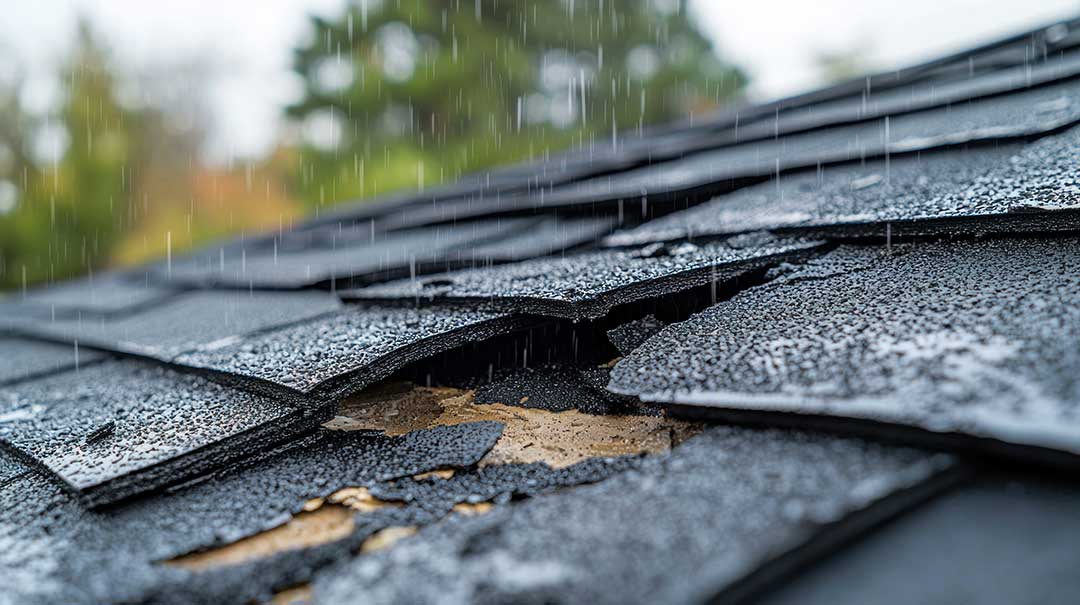
Roof coatings are most commonly considered for low-slope roofs with an existing surface that remains well attached, adequately drained, and generally dry. Examples may include older membrane roofs, modified bitumen roofs, metal roofs, and certain built-up roofing systems.
A roof may be a reasonable candidate when:
- Leaks are limited and have identifiable causes
- The roof deck is sound
- Insulation is dry
- Seams and flashing can be repaired
- Water drains without persistent ponding
- The existing surface is compatible with the proposed coating
- There is enough remaining roof life to justify the work
A coating is a poor candidate when water regularly stands on the roof, the surface is saturated, the deck is soft, or leaks appear in many unrelated locations.
What should Greene, NY residents check before considering one?
Local seasonal conditions make timing and moisture control important. Roof work should not be planned around a short period of warm weather without considering overnight temperatures, rain forecasts, dew, and the time needed for the coating to cure.
Before choosing a coating, check:
- Whether the roof is steep-slope or low-slope
- The age and type of the current roofing system
- Whether the attic or roof assembly shows signs of moisture
- How snow and ice are handled around edges, valleys, drains, and rooftop equipment
- Whether gutters and drains can move water away effectively
- Whether the proposed material is approved for the existing surface
- Whether the product requires a primer or reinforcing fabric
- Whether the work affects a roof warranty
- Whether permits or code requirements apply
New York’s current building-code system includes specific provisions for reroofing and existing-building work. Requirements can depend on the scope of the project, the building type, and whether the work is considered repair, recovery, or replacement. A coating project that changes the roof assembly or involves substantial repairs may need review under applicable state and local requirements.
Is roof coating better than roof replacement?
Neither option is automatically better. A coating may make sense when the existing roof is structurally sound and the goal is to extend its service life. Replacement is more appropriate when the roof has widespread failure, concealed moisture damage, inadequate drainage, or a deteriorated deck.
The practical question is not simply whether a coating costs less. It is whether the existing roof can reliably support another service period after repairs and preparation. If the answer is no, coating may postpone necessary work while adding another layer that later must be removed.
For area households and building owners, the most useful evaluation is condition-based: identify the roof type, locate the source of moisture, assess the underlying materials, and then compare coating, recovery, and replacement as separate options. A roof coating is a maintenance and rehabilitation tool—not a cure for every roofing problem.
