
What does preventive roof maintenance actually mean?
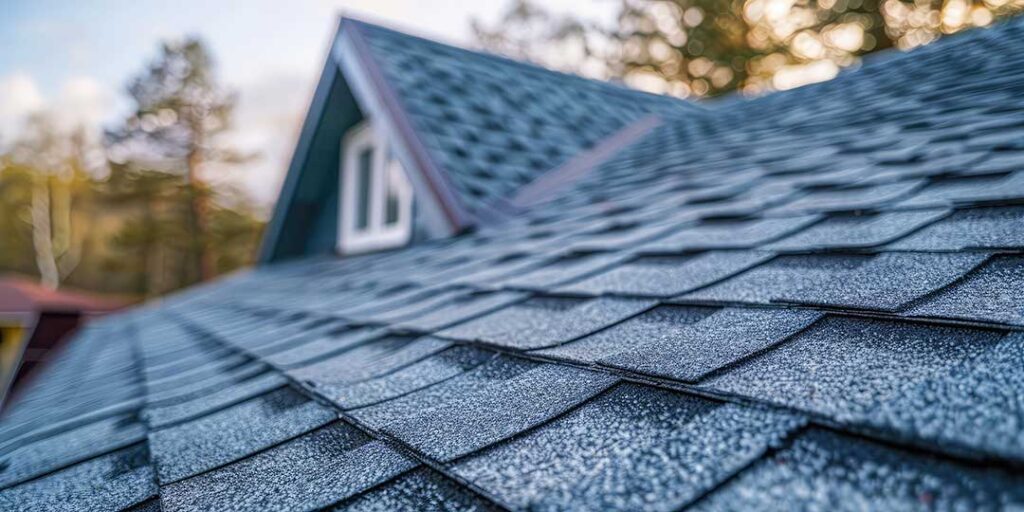
Preventive roof maintenance is the routine inspection, cleaning, and minor repair of a roof before a small defect becomes a leak or structural problem. It is less about making a roof look new and more about preserving its ability to shed water, resist seasonal stress, and protect the rest of the house.
For homeowners in Greene, NY, maintenance is especially useful because roofs must handle repeated cycles of snow, ice, wind, rain, and rapid temperature changes. A roof may appear sound from the ground while hidden deterioration is developing around flashing, valleys, vents, eaves, or roof penetrations.
A maintenance plan commonly includes:
- Looking for damaged, loose, curled, or missing shingles
- Checking metal flashing around chimneys, skylights, walls, and vents
- Clearing leaves, branches, and other debris from roof drainage areas
- Inspecting gutters and downspouts for blockages or improper discharge
- Looking for exposed fasteners, deteriorated sealants, rust, or cracked materials
- Examining attic areas for damp insulation, staining, daylight, or musty odors
- Recording changes with dated notes or photographs
The purpose is not to repair every minor cosmetic issue immediately. The purpose is to identify conditions that can allow water into the roof assembly or shorten the service life of otherwise usable materials.
How does maintenance save money over time?
Preventive maintenance reduces the chance that a localized defect will cause widespread damage. A small opening near flashing may initially affect only a limited area. If water continues entering through multiple storms, it can wet roof sheathing, insulation, rafters, ceiling materials, and wall cavities.
The cost difference can be substantial because roofing problems often involve more than the outer covering. Water damage may contribute to:
- Rot in roof decking or framing
- Damaged insulation and reduced energy performance
- Staining or deterioration of ceilings and walls
- Electrical concerns if moisture reaches wiring or fixtures
- Mold growth when damp materials remain wet
- Interior repairs that require painting, drywall replacement, or flooring work
Routine attention does not guarantee that a roof will last for a particular number of years. It does improve the likelihood that the roof will reach its expected service life without avoidable failures.
Maintenance also makes repair decisions more predictable. Homeowners who keep basic records can distinguish between normal aging, storm damage, and recurring trouble spots. That information is more useful than trying to reconstruct years of roof history after a leak appears.
Why are gutters and drainage so important?
A roof can have sound shingles and still experience water damage if drainage is poor. Gutters and downspouts control where rain and melting snow go after leaving the roof. When they are clogged, undersized, detached, or discharging too close to the foundation, water may back up or collect against roof edges and exterior walls.
In this area, fall leaves and small branches can accumulate before winter. If water remains trapped in a gutter and freezes, the added weight can strain fasteners and pull sections away from the fascia. Repeated freezing and thawing can also enlarge small gaps around joints and end caps.
Downspouts should direct water far enough away from the foundation to prevent concentrated runoff beside the basement or crawl space. Soil erosion, damp foundation walls, and persistent puddling near the house may indicate that roof drainage needs attention.
Cleaning gutters is not simply an appearance-related task. It is part of protecting the roof edge, fascia, exterior walls, and foundation from repeated moisture exposure.
What should homeowners look for after winter?
A post-winter inspection can reveal damage that was not visible during snow cover. Ice, wind, and freeze-thaw movement may loosen materials or expose weak points.
Useful observations include:
- Shingles that are missing, lifted, cracked, or unusually flexible
- Metal flashing that has shifted or separated
- Granules collecting in gutters or at downspout outlets
- Sagging roof lines or uneven areas
- Water stains on attic wood or upper-floor ceilings
- Damp insulation or a persistent musty smell
- Damaged vent covers or exposed pipe flashing
- Branch impact marks or punctures from fallen limbs
Snow should not be removed from a roof casually. Roof work in icy conditions creates a serious fall hazard, and aggressive shoveling can damage shingles or other roof coverings. Heavy accumulation, visible structural movement, or concerns about drifting snow require an assessment by someone qualified to evaluate roof safety.
Older buildings deserve particular attention after unusually heavy snow. Construction practices and code requirements have changed over time, and some older roofs may not have been designed for the same assumptions used in current construction standards.
Does attic ventilation affect roof life?
Yes. Attic ventilation and insulation influence temperature and moisture conditions beneath the roof covering. Poor airflow can contribute to condensation, damp insulation, winter ice buildup, and premature deterioration of roof sheathing.
A healthy attic should not routinely show:
- Frost on roof framing
- Wet or compressed insulation
- Water droplets on nails or roof decking
- Strong musty odors
- Persistent mold-like discoloration
- Excessive heat trapped in summer
Ventilation problems are not always solved by adding a vent. The system must allow air to enter and exit properly, while insulation and air sealing prevent warm indoor air from entering the attic. Blocking soffit openings with insulation can interfere with airflow, while adding vents without correcting air leakage may leave the underlying moisture problem unchanged.
How often should a roof be checked?
A practical schedule is to look over the roof and drainage system at least twice each year: once after winter and again after autumn leaf fall. Additional checks make sense after severe wind, hail, falling branches, or unusually heavy snow.
A ground-level inspection can identify many warning signs, but it cannot reveal every problem. Climbing onto a roof is hazardous, particularly when surfaces are wet, steep, icy, fragile, or covered with moss. Safety should take priority over a closer look.
Roof age also matters. A newer roof may need only routine observation and drainage care, while an older roof requires closer attention to flashing, granule loss, brittle materials, and repeated repair areas. A roof that has experienced several isolated leaks may need a broader evaluation rather than another temporary patch.
What is the long-term value of keeping maintenance records?
Maintenance records help homeowners make better decisions and avoid unnecessary urgency. A simple file can include the roof installation date, repair dates, photographs, storm observations, gutter cleaning, and notes about attic conditions.
Records are useful when:
- Comparing gradual wear with sudden storm damage
- Planning household repair budgets
- Tracking whether a leak has returned in the same location
- Documenting improvements before selling or refinancing
- Explaining the history of an older roof to a future owner
The long-term value of preventive care is therefore not limited to extending roof life. It also protects interior finishes, reduces surprise expenses, supports safer decisions, and helps preserve the condition of the entire home. For local households facing recurring winter weather and seasonal debris, consistent observation is one of the most practical forms of property care.
