
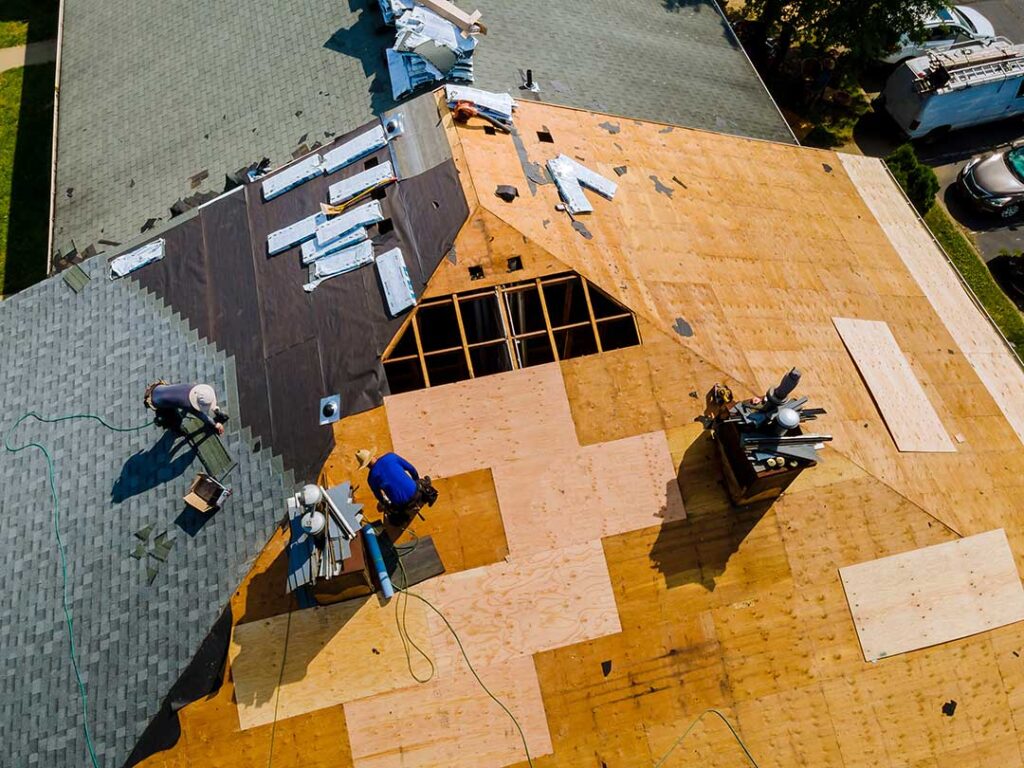
A roof can look new and still have serious installation problems. In Greene, NY, roofing defects may become more noticeable after heavy rain, snow, ice, strong winds, and repeated freeze-thaw cycles. Some warning signs appear inside the home, while others can be seen from the ground or during routine maintenance.
Poor installation does not always mean the roofing material itself is defective. Shingles, flashing, underlayment, ventilation components, and drainage details can all be installed incorrectly. Identifying the pattern early can help prevent water damage and make repairs more manageable.
What are the most common signs of poor roof installation?
The clearest signs include uneven shingles, exposed fasteners, loose flashing, inadequate drainage, and water marks in the attic or upper rooms. A single cosmetic imperfection may not indicate a major problem, but several signs together deserve closer attention.
Look for:
- Shingles that are crooked, wavy, lifted, buckled, or visibly misaligned
- Gaps around vents, chimneys, skylights, or roof edges
- Roofing nails that are exposed or placed too high on the shingle
- Missing or damaged flashing where roof surfaces meet walls or penetrations
- Drip edges that are absent, loose, or installed unevenly
- Gutters that receive little water because the roof edge does not drain properly
- Granules collecting heavily in gutters soon after installation
- Interior stains, damp insulation, musty odors, or peeling paint near the ceiling
New roofing should generally have a consistent appearance. Minor variations may occur, but widespread waviness or irregular shingle lines can suggest that the roof deck, underlayment, or installation technique was not properly handled.
Why do uneven or lifted shingles matter?
Shingles that are not lying flat can allow wind-driven rain to reach the layers below. They may also become more vulnerable to wind damage, especially along roof edges, ridges, and areas surrounding roof penetrations.
Common causes include:
- Installing shingles over a damp, uneven, or deteriorated deck
- Failing to use the correct number or placement of fasteners
- Nailing into the wrong part of the shingle
- Installing materials in cold conditions without allowing proper sealing
- Mixing materials or installation methods that are not compatible
- Placing new roofing over too many existing layers
A few raised corners may result from temporary cold weather conditions, but persistent lifting, buckling, or curling should not be dismissed. Seasonal temperature changes can make these defects expand and contract, increasing the chance of leakage.
How can flashing problems reveal installation errors?
Flashing directs water away from vulnerable joints. It is commonly used around chimneys, plumbing vents, skylights, roof valleys, walls, and roof edges. Improper flashing is one of the more serious installation concerns because these areas naturally collect or redirect water.
Warning signs include rusted or exposed metal, cracked sealant, loose sections, missing step flashing, and flashing that appears to end too high or too low against a wall. Sealant alone is not a substitute for correctly installed flashing. Caulk can shrink, crack, or separate as the roof expands and contracts.
Roof-to-wall intersections deserve particular attention. Water can travel behind siding or trim before appearing indoors, so the location of an interior stain may not match the actual entry point.
What does poor roof ventilation look like?
Ventilation problems may not be obvious from the ground. Inside the attic, warning signs can include excessive heat, damp insulation, mold-like growth on roof sheathing, rusty nails, or frost accumulation during cold weather.
A properly designed roof ventilation system must allow air to enter through intake openings and leave through exhaust openings. Blocking soffit vents, installing too little intake ventilation, or adding exhaust vents without a balanced airflow path can reduce performance.
Poor ventilation can contribute to:
- Moisture buildup in the attic
- Premature aging of shingles
- Ice dams along roof edges
- Warped roof decking
- Higher summer attic temperatures
- Condensation that resembles a roof leak
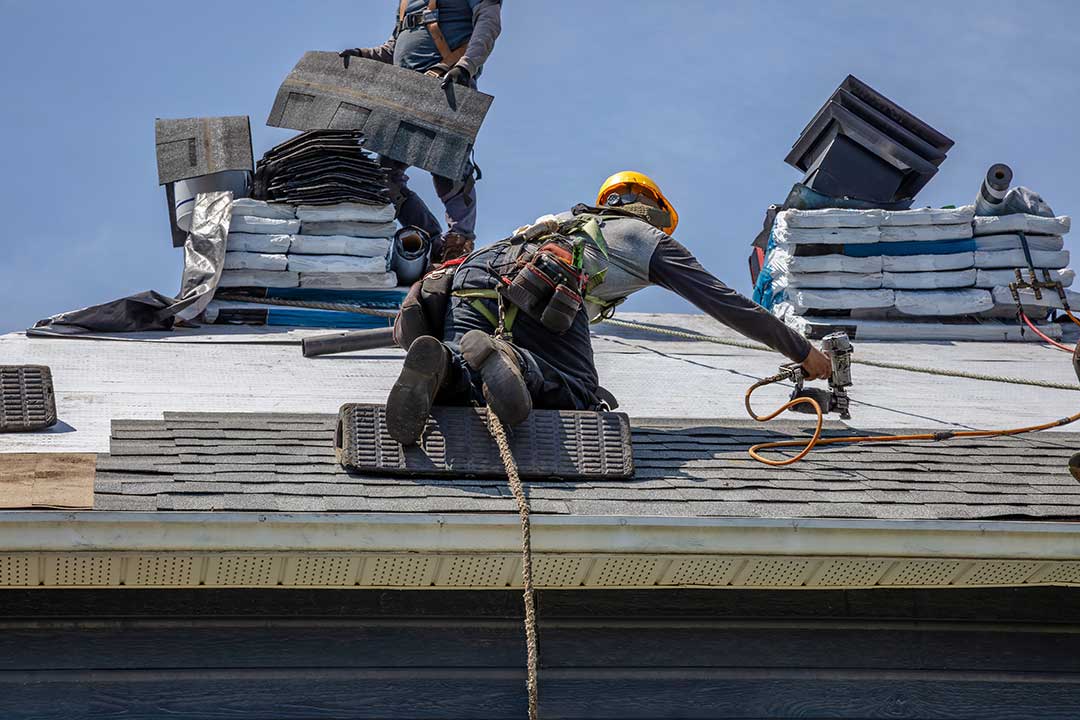
Not every attic moisture problem is caused by the roof. Bathroom fans that discharge into the attic, air leaks from the living space, and inadequate insulation can also contribute. The source should be identified before assuming the roofing material is at fault.
Can gutters expose roof installation problems?
Yes. Gutters and downspouts can reveal problems with roof edge alignment and drainage. If water regularly pours behind the gutter, runs down exterior walls, or misses the gutter during ordinary rainfall, the drip edge or roof edge may have been installed incorrectly.
Other clues include:
- Water collecting behind the gutter
- Fascia boards that remain wet or begin to rot
- Soil erosion beneath one section of the roof
- Ice buildup caused by poorly directed runoff
- Gutter sections pulling away because water is not entering as intended
In Greene, NY, snow and ice can place additional stress on roof edges and drainage systems. Gutters should not be expected to solve every drainage issue, but poor roof-edge detailing can make winter problems more likely.
What should homeowners check inside the attic?
The attic often provides the earliest evidence of a roof problem. Check after heavy rain if the space is safely accessible, using a flashlight rather than stepping between ceiling joists.
Look for darkened wood, wet insulation, daylight visible through roof layers, rusty fasteners, and water trails. A water mark that appears dry may still indicate an active or recurring leak. Moisture can travel along rafters, trusses, insulation, or electrical pathways before reaching the ceiling below.
Do not enter an attic if the floor is unstable, the area contains exposed wiring, or there is evidence of structural damage. Roof inspections also become hazardous during snow, ice, high winds, or wet conditions.
Are small leaks after a new installation normal?
No. A new roof should not routinely leak. A single leak during an unusually severe storm may require investigation, but repeated leaking, multiple stains, or water entry during ordinary rain points to a problem that should not be ignored.
Some leaks appear only under specific conditions, such as wind-driven rain, melting snow, or ice buildup. A roof may remain dry during light rainfall while still having defective flashing, missing underlayment, or improperly sealed penetrations.
Keep dated photographs of stains, damaged materials, and visible exterior defects. Notes about rainfall, wind direction, and where water appeared can help distinguish a roof leak from plumbing condensation or attic moisture.
Which problems require prompt attention?
Immediate attention is appropriate when water is entering the living space, the ceiling is sagging, electrical fixtures are wet, large areas of shingles are missing, or the roof structure appears damaged. Water near electrical components should be treated as a safety hazard.
Less urgent but still significant concerns include widespread shingle misalignment, recurring ice dams, persistent attic condensation, and loose flashing. These problems may worsen through additional weather cycles even when no active leak is visible.
The safest approach is to avoid walking on the roof or attempting repairs during unsafe conditions. Roof surfaces can be steep, slippery, and structurally weakened by hidden moisture. Work involving structural damage, electrical hazards, or compliance with building requirements may require qualified assistance.
How can poor installation be distinguished from normal aging?
Age-related wear usually develops gradually and consistently. Poor installation often appears early or in concentrated areas, such as around valleys, vents, chimneys, roof edges, and wall intersections.
A roof that is only a few years old but already has widespread curling, exposed fasteners, loose flashing, or recurring leaks may have installation-related problems. Older roofing can show similar symptoms simply because materials have reached the end of their service life.
The key questions are how soon the issue appeared, whether it is isolated or widespread, and whether it follows a pattern connected to a roof detail. Careful observation can help separate normal weathering from defects that began during installation.
