
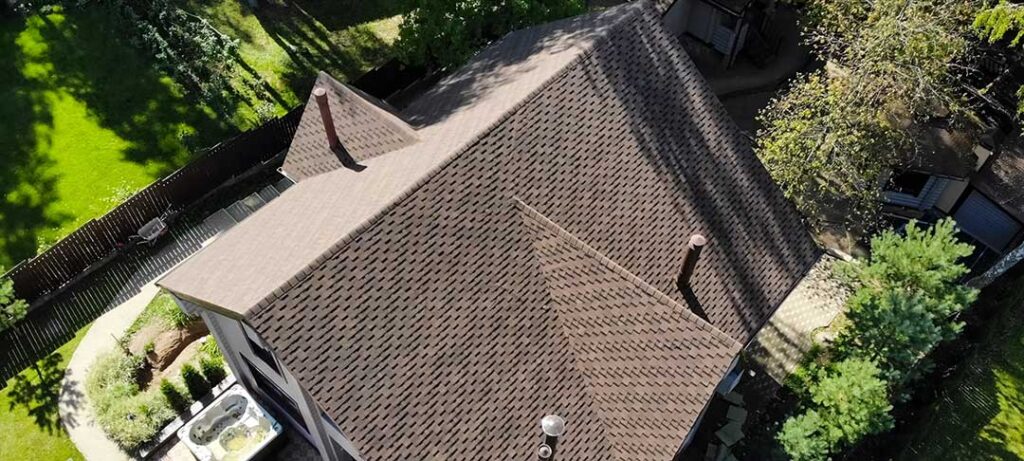
A new roof can reduce indoor allergens when it stops moisture, limits outdoor air leakage, and helps protect insulation and attic materials from damp conditions. Roofing alone does not remove dust, pollen, or mold already inside a home, but a sound roof can eliminate several conditions that allow allergens to enter or multiply.
For households in Greene, NY, this matters most during seasons with rain, snow, humidity, and changing temperatures. Roof performance affects the attic, insulation, ceilings, wall cavities, and—indirectly—the air that circulates through living spaces.
How can an old roof contribute to indoor allergens?
An aging or damaged roof may allow water and outdoor debris to enter areas that are difficult to inspect. Even a small leak can wet sheathing, insulation, rafters, or attic flooring. If those materials remain damp, mold and mildew may develop.
Common roof-related pathways include:
- Missing, cracked, or lifted shingles
- Worn flashing around chimneys, vents, skylights, and roof edges
- Leaks around plumbing or exhaust vents
- Ice-related damage after winter weather
- Wind-driven rain entering through exposed roof areas
- Blocked or poorly functioning attic ventilation
- Gaps at roof-to-wall connections or around penetrations
A roof does not need to be visibly collapsing to create an indoor air concern. Water may travel along framing before appearing as a ceiling stain, and hidden dampness can remain unnoticed for weeks or months.
Does replacing a roof remove mold or allergens?
No. Installing a new roof can stop new moisture from entering, but it does not automatically remove mold, damaged insulation, settled dust, or pollen that is already indoors.
If a roof replacement follows a leak, the affected materials should be assessed separately. Porous materials such as fiberglass insulation, drywall, ceiling tiles, and unfinished wood may hold moisture or biological growth. Cleaning or replacement may be necessary depending on the extent of the damage.
A new roof is most helpful as part of a broader correction:
1. Stop the source of water intrusion.
2. Dry the attic and affected building materials.
3. Remove or clean contaminated materials safely.
4. Correct ventilation or drainage problems.
5. Control indoor dust through cleaning and filtration.
Without those steps, a roof may be new while the indoor air problem continues.
How does a new roof help keep pollen and outdoor particles out?
Roof replacement can improve the building envelope by closing openings around roof penetrations and edges. Properly installed flashing, underlayment, ridge details, and ventilation components help reduce uncontrolled air movement between the attic and outdoors.
This can matter during spring and summer, when pollen may enter through attic bypasses, roof vents, recessed light openings, plumbing penetrations, or gaps around ductwork. The roof is not the only source of infiltration, but repairs can reduce one part of the overall pathway.
A well-sealed roof assembly also helps keep wind-driven rain, leaves, insects, and other outdoor debris from reaching insulation and attic surfaces. Keeping these materials dry and clean reduces the chance that they will contribute to odors or airborne particles.
What role does attic ventilation play?
Attic ventilation helps manage heat and moisture, but more ventilation is not always better. The system must be balanced so that air enters through intended intake openings and exits through appropriate exhaust openings.
Problems may occur when:
- Exhaust vents are installed without adequate intake airflow
- Bathroom or kitchen fans discharge into the attic
- Insulation blocks soffit or intake vents
- Attic air leaks into the living area
- Vent openings allow rain or snow to enter
- Older ventilation components are damaged or poorly placed
A roof replacement is an opportunity to inspect these conditions. However, attic ventilation should not be treated as a substitute for sealing indoor moisture sources. Bathroom fans should discharge outdoors, and household humidity should be managed through proper ventilation and daily habits.
Can a new roof reduce dust mites and other common allergens?
Only indirectly. Dust mites are mainly associated with indoor humidity, bedding, carpeting, upholstered furniture, and accumulated dust—not shingles or roof coverings.
A roof can influence the indoor environment if leaks or poor moisture control raise humidity in the attic or upper levels of the home. Reducing water entry may help maintain a drier building, but dust-mite control usually requires additional measures such as washing bedding regularly, reducing excessive humidity, and cleaning floors and fabrics.
Likewise, a new roof does not directly eliminate pet dander, tobacco smoke, cleaning chemical residue, or particles brought indoors on clothing and shoes.
Which roofing details deserve attention after a leak?
Roof areas that connect to other building systems deserve careful inspection because they are common sources of hidden moisture. These include:
- Valleys where roof planes meet
- Flashing around chimneys and sidewalls
- Pipe boots and plumbing penetrations
- Skylights and roof windows
- Eaves, soffits, and fascia
- Roof-to-wall transitions
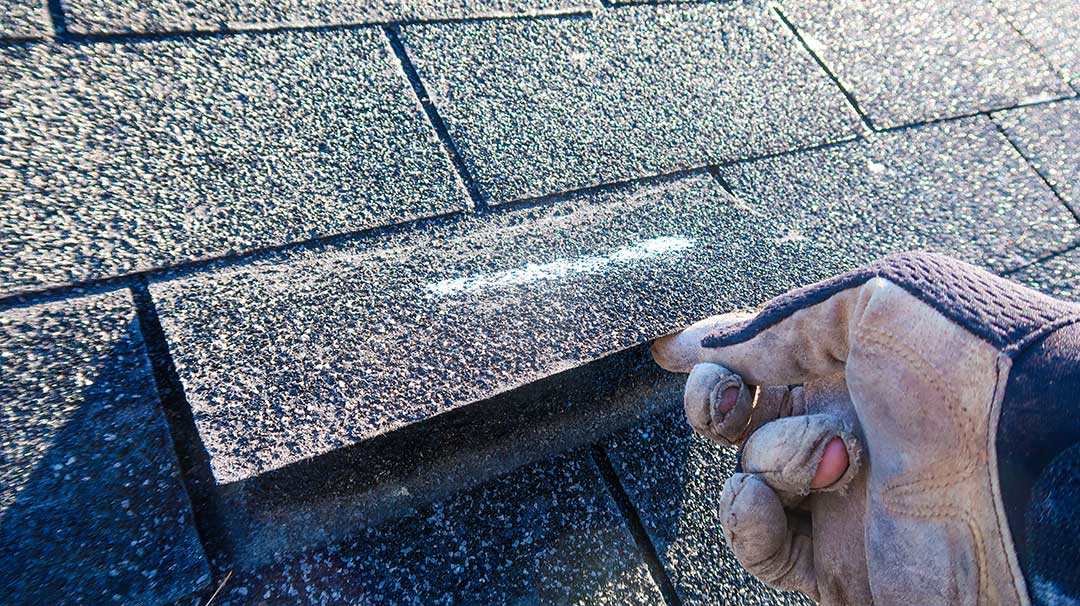
- Areas beneath damaged or displaced shingles
- Attic insulation near water stains
In Greene, seasonal freeze-and-thaw conditions can make small weaknesses more noticeable over time. Snow, ice, wind, and heavy rain may expose defects that remain hidden during dry weather. A ceiling stain that disappears after drying should not automatically be considered resolved.
How can homeowners tell whether roof problems are affecting indoor air?
Look for a combination of building and health clues rather than relying on one symptom. Possible warning signs include musty odors, recurring ceiling discoloration, peeling paint, damp attic insulation, visible mold, or repeated condensation.
Some residents may notice that congestion, sneezing, coughing, or eye irritation becomes worse in a particular room or after rain. These symptoms can have many causes, so they cannot prove that a roof is responsible. Still, a pattern linked to a damp area deserves attention.
A basic inspection can include checking the attic after safe access is established. Look for wet insulation, darkened wood, daylight through roof gaps, rusted fasteners, blocked intake vents, and exhaust ducts that end inside the attic. Do not walk on insulation or roof framing without proper support, and avoid entering areas with unstable surfaces or extensive mold.
What should be done during a roof replacement to protect indoor air?
The work should address more than the visible roof covering. Useful questions include:
- Was the source of any previous leak identified?
- Is damaged insulation being removed or dried?
- Are flashing and roof penetrations being corrected?
- Are attic intake and exhaust paths functioning properly?
- Are bathroom and kitchen exhaust ducts routed outdoors?
- Are openings between the attic and living space sealed?
- Will debris and old roofing materials be kept out of the home?
During construction, temporary dust can enter through attic access panels, open ceilings, windows, or HVAC pathways. Sensitive household members may benefit from keeping interior doors closed, protecting air returns, and replacing filters after dusty work is complete.
A new roof can support healthier indoor conditions, but the result depends on moisture control, attic detailing, ventilation, insulation, and cleanup working together. The most meaningful benefit is not that the roof “filters” air; it is that a properly functioning roof helps keep the upper part of the home dry, sealed, and less welcoming to mold growth.
