
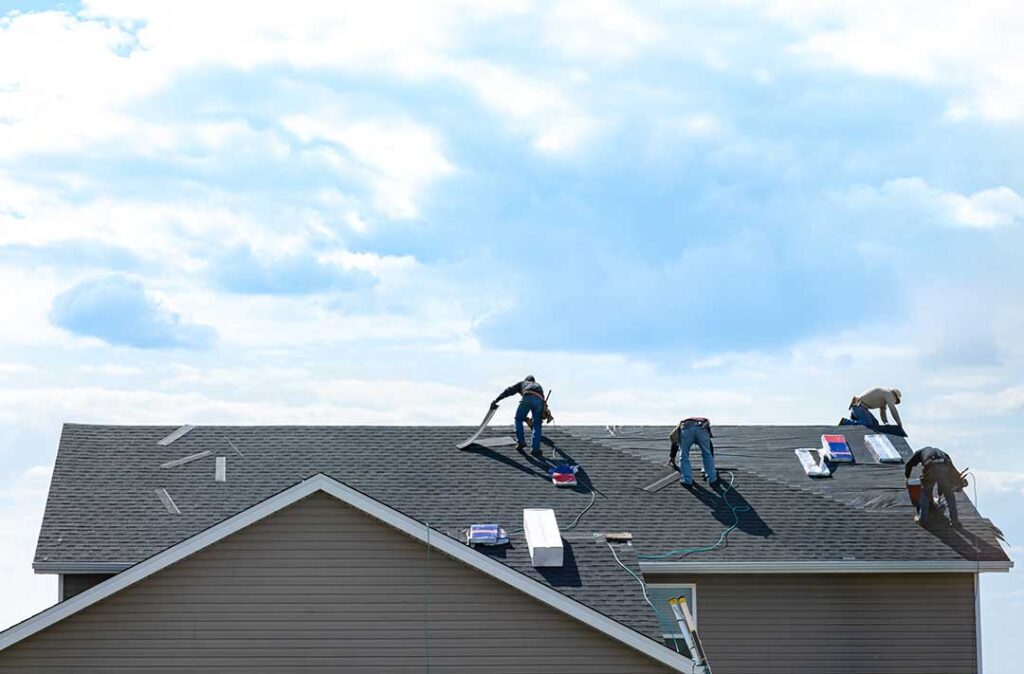
How can homeowners tell whether a roof is aging?
Aging rarely appears as one dramatic failure. More often, a roof shows a pattern of gradual changes: worn surfaces, loose materials, deteriorating flashing, recurring moisture, or repairs that no longer last.
In Greene, NY, seasonal snow, ice, wind, summer heat, moisture, and repeated freeze-thaw cycles can affect roofing materials in different ways. The roof’s age matters, but its condition, installation quality, ventilation, drainage, and exposure to weather are equally important.
A roof can still look acceptable from the ground while hidden components—such as underlayment, fasteners, flashing, or roof decking—are becoming less reliable.
What does aging look like on asphalt shingles?
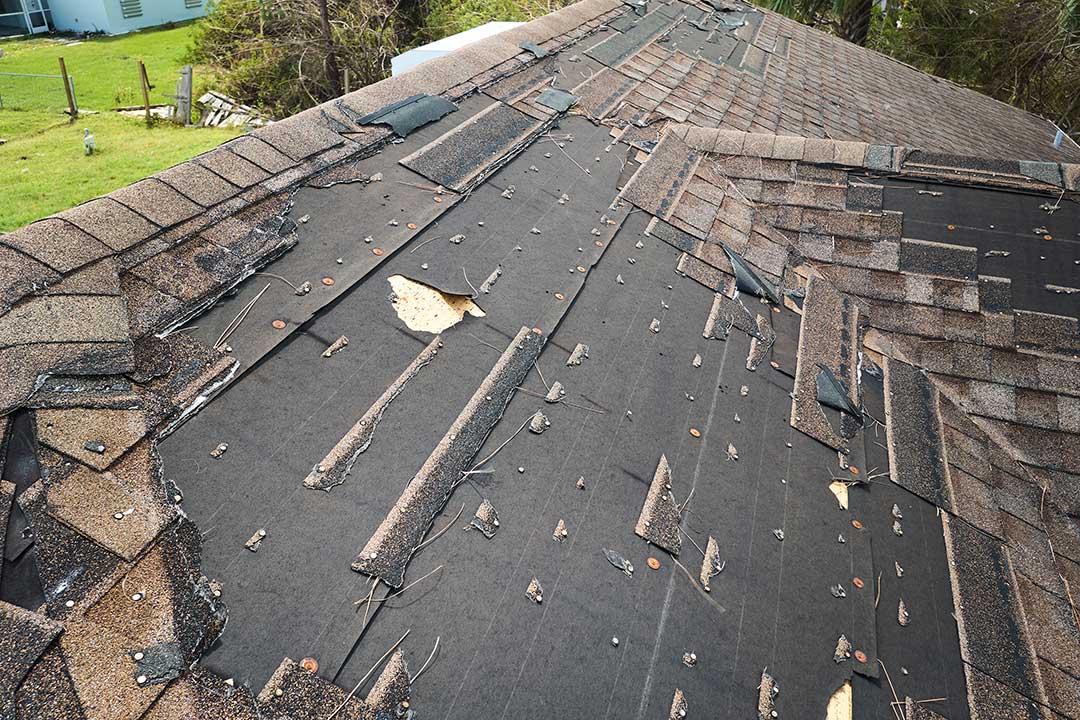
Asphalt shingles commonly show their age through surface wear and loss of shape. The most useful clues include:
- Curling or lifting shingle edges
- Cracks, splits, or brittle tabs
- Missing shingles or exposed nail heads
- Areas where the dark or colored surface granules have worn away
- Granules collecting in gutters or at downspout outlets
- Uneven patches from repeated repairs
- Shingles that appear wavy, distorted, or no longer lie flat
Granule loss is not always an emergency, especially after a recent storm, but widespread granule loss suggests that the protective surface is thinning. Once the asphalt becomes more exposed, shingles may age faster under sunlight, rain, ice, and temperature changes.
Dark streaks are often caused by algae and do not automatically mean the shingles are failing. Moss is more concerning when it grows thickly enough to lift shingles or keep the roof surface damp.
A roof’s installation date is useful, but it should not be treated as an exact expiration date. An older roof with good ventilation and limited weather exposure may perform better than a newer roof with poor drainage or repeated storm damage.
How does an aging metal roof differ?
Metal roofs often age more gradually than asphalt roofs, but they can still develop serious problems. Look for:
- Rust, especially around fasteners, seams, valleys, and roof edges
- Loose or missing screws
- Hardened, cracked, or displaced washers
- Open seams or separated panels
- Dents that hold standing water
- Peeling or heavily chalked finishes
- Corrosion around roof penetrations, chimneys, and vents
Some surface fading is primarily cosmetic. Rust that continues spreading, however, can weaken the metal. Loose fasteners may allow water to enter around the attachment points, while failed seam sealants can permit leaks during wind-driven rain or melting snow.
Metal movement from heating and cooling is normal. A repeated popping sound is not necessarily evidence of failure, but new gaps, distorted panels, or visible separation deserve closer attention.
What are the signs of aging wood shingles and shakes?
Wood roofing tends to show age through moisture damage, splitting, and biological growth. Common warning signs include:
- Split, cracked, or broken shingles
- Shingles that have cupped, curled, or become thin
- Soft or spongy areas
- Rot near roof edges, valleys, or shaded sections
- Moss, algae, or lichen covering large areas
- Missing pieces or exposed underlayment
- Rusting or visible fasteners
Wood roofs can dry slowly when leaves, branches, or moss remain on the surface. Shaded areas may deteriorate faster than sunny sections. A roof can appear mostly intact while individual shingles have lost enough thickness to become fragile.
Avoid walking directly on older wood roofing. Brittle or split materials can break under foot, and hidden damage may make the surface unsafe.
How can slate and tile roofs be evaluated?
Slate and tile can remain serviceable for many decades, but their individual pieces may crack, slip, or break. Aging signs include:
- Cracked or missing slate or tile
- Pieces that have shifted out of alignment
- Powdering, flaking, or delamination of slate
- Broken edges around valleys and roof penetrations
- Deteriorated mortar or metal flashing
- Repeated leaks in the same area
The visible covering is only part of the system. Underlayment, battens, fasteners, and flashing may age before the slate or tile itself. Replacing sound pieces with incompatible materials can create additional problems because roofing systems must account for weight, movement, water flow, and attachment methods.
Do not assume that a slate or tile roof is safe to walk on simply because the material appears solid. Individual pieces can crack under concentrated weight, and repairs often require specialized access and handling.
What does aging look like on a low-slope or flat roof?
Low-slope roofs are judged less by shingle condition and more by drainage, seams, and surface integrity. Watch for:
- Standing water that remains after ordinary rainfall
- Blisters, bubbles, or lifted membrane sections
- Cracked or shrinking seams
- Exposed reinforcement or substrate
- Punctures from branches, tools, or foot traffic
- Deterioration around drains, edges, and penetrations
- Wet insulation or ceiling stains below recurring problem areas
A small amount of temporary water after a storm may not indicate failure. Persistent ponding is more serious because it adds weight and keeps the roofing material wet. Blocked drains, undersized drainage paths, or roof settlement can all contribute.
On any roof type, interior evidence may appear before exterior damage is obvious. Check attics and upper ceilings for brown stains, damp insulation, peeling paint, musty odors, or daylight visible around roof penetrations.
Which roof components age first?
The main field of the roof is not always the first part to fail. Flashing commonly ages early around:
- Chimneys
- Plumbing vents
- Skylights
- Valleys
- Wall intersections
- Roof edges and gutters
Sealants can dry, crack, or separate. Metal flashing can corrode. Ice and snow can expose weak transitions, especially where different roof surfaces meet.
Ventilation also affects service life. Excessive attic heat can accelerate shingle aging, while inadequate airflow and air leakage can contribute to condensation and damp insulation during cold weather.
How should residents inspect an aging roof safely?
A ground-level inspection is usually the safest starting point. Use binoculars to examine roof edges, ridges, valleys, flashing, and areas beneath overhanging trees. Check gutters for unusual amounts of granules, shingle pieces, or metal corrosion.
From inside the home, inspect the attic only where the floor is stable and access is safe. Look for moisture staining, wet insulation, mold-like growth, or damaged wood. Do not climb onto a roof covered with ice, snow, moss, or fragile materials.
A roof that is visibly sagging, leaking heavily, has exposed decking, or shows widespread material loss should be treated as a safety concern. Roof access may also be hazardous near power lines or during unstable weather.
Does an old-looking roof always need replacement?
No. Age alone does not determine whether a roof must be replaced. A roof with isolated damage may be maintainable, while a younger roof with widespread defects may have limited remaining service life.
The clearest assessment considers the material, installation history, number and location of repairs, drainage, attic conditions, flashing, and evidence of interior moisture. Keeping records of installation dates, repairs, storm damage, and photographs can make changes easier to recognize over time.
For area households, seasonal inspections are especially useful after major wind, snow, ice, or freeze-thaw events. Early attention to loose materials and drainage problems can help distinguish normal weathering from developing failure.
