
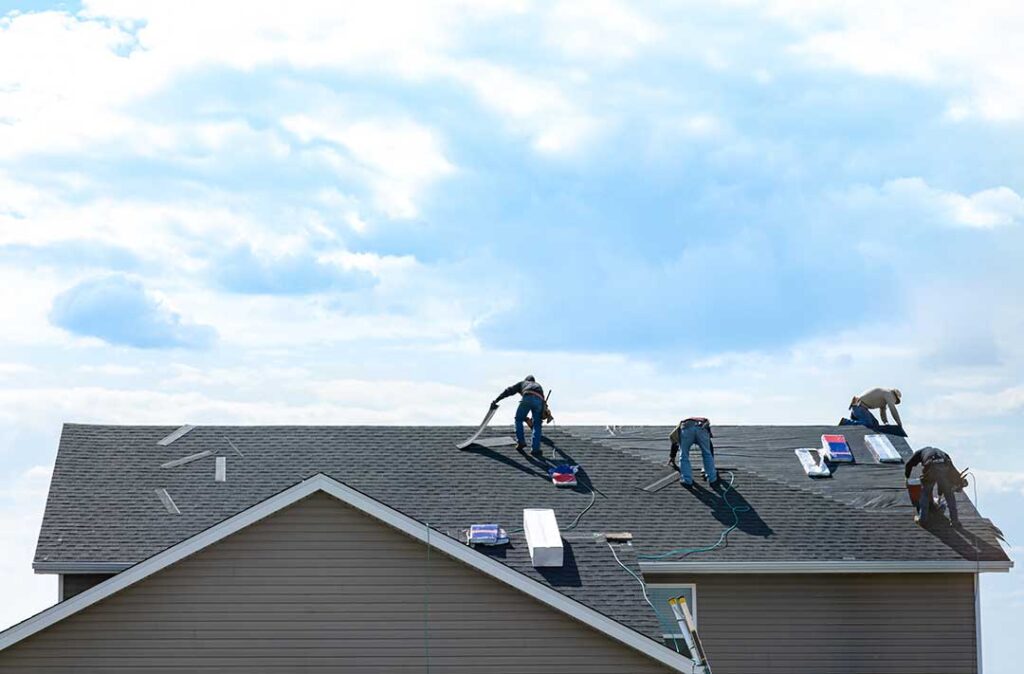
Replacing a roof can improve a home’s energy performance, but the savings usually come from more than new shingles alone. The greatest benefits occur when the replacement also corrects moisture problems, improves ventilation, restores insulation coverage, and creates a more consistent barrier between the living space and outdoor temperatures.
For households in Greene, NY, this matters because roofs experience hot summer sun, winter cold, wind, rain, snow, and repeated freeze-thaw cycles. A roof that has aged beyond its useful service life may allow more heat loss in winter and more heat gain in summer, especially if the attic system is also poorly insulated or ventilated.
How can a roof replacement affect energy bills?
A roof replacement can lower heating and cooling demand by reducing air leakage, improving attic performance, and replacing materials that have deteriorated. However, the roof covering itself is only one part of the building envelope.
Older roofing systems may have:
- Cracked, curled, or missing materials
- Deteriorated underlayment
- Openings around vents, chimneys, and roof edges
- Wet or compressed insulation
- Blocked soffit vents
- Inadequate attic ventilation
- Gaps where the roof meets walls or other structures
These conditions can make indoor temperatures less stable. Heated air may escape into the attic during winter, while summer heat can build up above the ceiling and increase the workload on air-conditioning equipment.
A new roof can address some of these weaknesses, particularly when the replacement includes careful attention to flashing, ventilation, air sealing, and insulation. The effect on utility bills depends on the home’s size, construction, existing insulation levels, heating system, window performance, thermostat settings, and household habits.
Does a new roof make a home warmer in winter?
It can, especially if the project corrects air leakage and insulation problems in the attic. The roof covering itself does not usually provide enough insulation to make a major difference by itself. Most of the thermal resistance should come from insulation installed at the attic floor or, in certain roof designs, along the roof deck.
Winter energy loss often occurs through the ceiling and attic. Warm indoor air rises, and if the ceiling plane has gaps around light fixtures, plumbing penetrations, attic hatches, or ductwork, that air can enter the attic. If insulation is thin, displaced, or damp, heat moves through the ceiling more easily.
During a roof replacement, visible signs of these issues may become easier to identify. Wet insulation, daylight around roof penetrations, damaged sheathing, or frost-related moisture patterns can point to problems that affect both roof durability and energy use.
Air sealing should generally occur before adding insulation. Otherwise, insulation may cover the symptoms without stopping warm air movement. Any work around electrical wiring, recessed lighting, or combustion equipment must also be handled carefully because some materials and clearances require specific safety measures.
Can roof replacement reduce summer cooling costs?
A properly designed roofing and attic system can reduce heat buildup during warm weather. Solar energy heats the roof surface, and some of that heat can move into the attic and eventually affect the rooms below.
The following features can help manage summer heat:
- Adequate attic insulation
- Clear soffit-to-ridge or other approved ventilation paths
- Properly installed roof vents
- Light-reflective or solar-reflective roofing materials where appropriate
- Correctly sealed penetrations and attic access points
- A roof deck free of moisture damage
Ventilation does not replace insulation, and it should not be treated as a way to remove all heat from the home. Its purpose is to support controlled airflow through the attic, help manage moisture, and reduce extreme temperature buildup. Blocking soffit vents with insulation can prevent the system from working as intended.
Roof color may influence surface temperature, but the effect on total household energy use is often smaller than the effect of insulation, air sealing, and duct performance. A roof that looks cooler from above may not produce meaningful savings if the attic floor is poorly insulated or the home has substantial air leakage elsewhere.
What roof problems are most likely to increase energy use?
The most significant energy-related problems are often hidden rather than visible from the ground. A roof may appear acceptable while the attic has moisture damage, missing insulation, or poor airflow.
Warning signs include:
- Uneven temperatures between rooms or floors
- High winter heating use despite moderate thermostat settings
- Rooms beneath the roof becoming unusually hot in summer
- Ice forming along eaves during cold weather
- Damp insulation or musty attic odors
- Roof sheathing that appears dark, stained, or deteriorated
- Peeling paint or moisture marks near upper ceilings
- Exhaust fans that terminate in the attic instead of outdoors
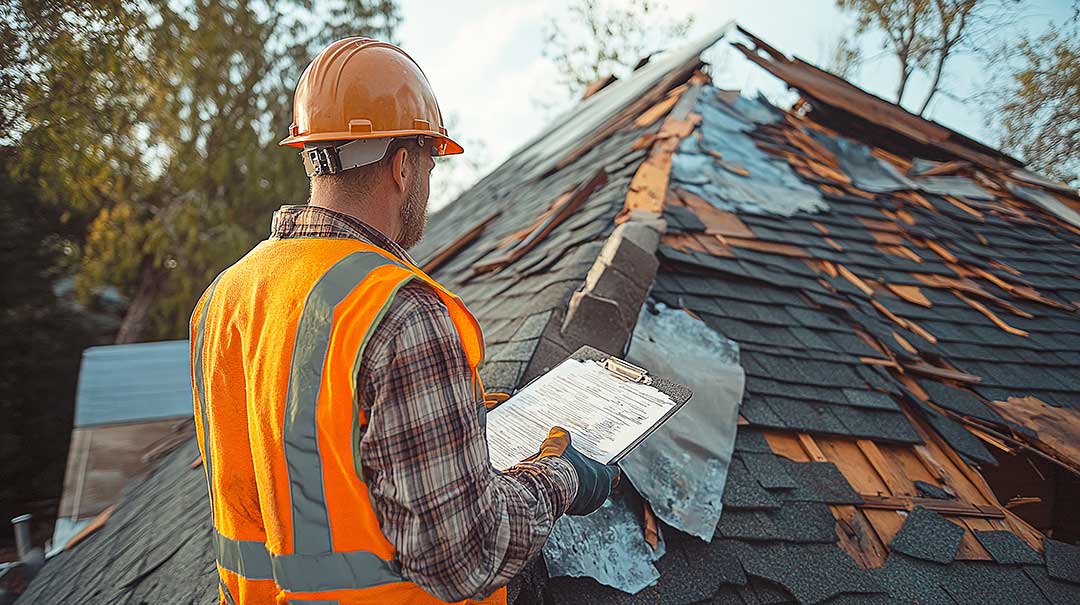
Ice along the eaves can be associated with heat escaping into a cold attic, although snow conditions, roof design, insulation levels, and ventilation all affect the result. Ice dams can also cause water to back up beneath roofing materials, making the issue both an energy concern and a potential source of interior damage.
Is replacing the roof enough to lower utility bills?
Usually, no. Roof replacement may be necessary, but energy savings depend on the entire attic and ceiling system.
A useful evaluation considers:
1. Roof condition: Are the covering, flashing, underlayment, and sheathing sound?
2. Insulation: Is the attic insulation deep enough, evenly distributed, and dry?
3. Air sealing: Are gaps around penetrations and access panels sealed?
4. Ventilation: Can air move through the intended intake and exhaust paths?
5. Ductwork: Are heating and cooling ducts located in the attic, and are they insulated and sealed?
6. Moisture control: Are bathroom and kitchen exhaust systems vented outdoors?
7. Indoor comfort: Are certain rooms consistently colder or warmer than others?
If the roof is replaced without correcting these conditions, the home may have a new water-shedding surface but continue to lose energy through the attic. Conversely, improving insulation and air sealing may produce noticeable comfort gains even before the roof itself requires replacement.
What should homeowners ask about roofing materials and energy performance?
Energy performance is only one factor in choosing roofing materials. Durability, snow and wind exposure, installation quality, roof slope, color, maintenance needs, and compatibility with the existing structure also matter.
Useful questions include:
- Will the selected material be appropriate for the roof’s slope and drainage design?
- Does the roof assembly need additional insulation or air sealing?
- Are ventilation openings correctly balanced?
- Will existing roof penetrations be sealed and flashed properly?
- Is the roof deck dry and structurally sound?
- Are reflective materials likely to provide a meaningful benefit for this particular home?
- Could added insulation affect attic ventilation or create moisture problems?
In the local climate, a roofing system must manage both precipitation and temperature swings. Materials that perform well on a roof in one region may not be suitable for every structure, especially where snow, wind, shade, and freeze-thaw movement are factors.
How much can a roof replacement save on energy bills?
There is no reliable single percentage for every home. A roof replacement may produce modest utility savings if the existing roof is simply old but the attic is already well insulated and sealed. Savings may be more noticeable when the project corrects major air leakage, wet insulation, poor ventilation, or heat transfer through a lightly insulated ceiling.
The most dependable benefits may appear as improved comfort rather than a dramatic reduction on one utility bill. Rooms may hold their temperature longer, heating or cooling equipment may run less often, and the home may experience fewer drafts or hot spots.
For a clearer comparison, homeowners can review energy bills over similar weather periods before and after the work. It helps to account for changes in outdoor temperature, fuel prices, thermostat settings, occupancy, and appliance use. A home energy assessment can also identify whether the roof, attic, windows, ducts, or heating and cooling equipment is the largest source of energy loss.
A roof replacement is therefore best understood as part of a larger energy strategy. The strongest results come from a sound roof, a dry and properly insulated attic, controlled air leakage, effective ventilation, and maintenance that keeps the system performing through the seasons.
