
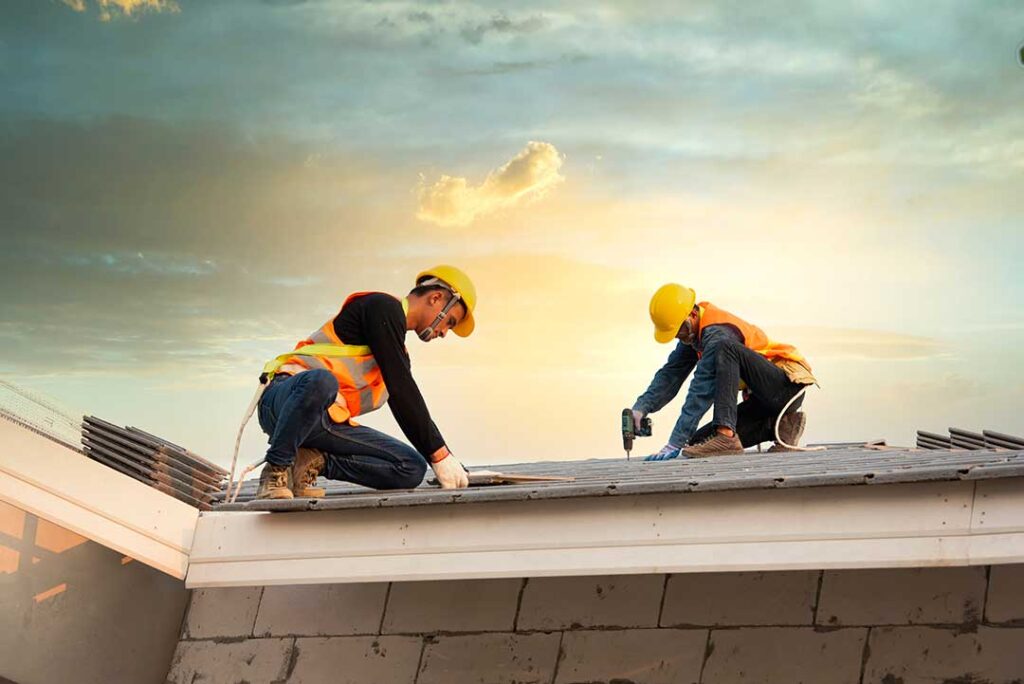
Which roofing material is better for a home in Greene, NY?
Neither asphalt shingles nor metal roofing is automatically the right choice for every house. Asphalt shingles usually offer a lower initial cost and a familiar appearance, while metal roofing can provide a longer service life and stronger resistance to several weather conditions.
For households in Greene, the better option depends on the roof’s slope, the home’s framing, insulation and ventilation, budget, appearance, and how long the owners expect to remain in the house. Local seasonal conditions also matter. Roofs must handle snow, ice, rain, strong sun, wind, and repeated freeze-thaw cycles.
How do asphalt shingles and metal roofing differ?
Asphalt shingles are layered roofing products made with a fiberglass base, asphalt coating, and protective mineral granules. They are installed in overlapping courses over a roof deck and are available in many colors and profiles.
Metal roofing may use steel, aluminum, or other metals formed into panels or shingles. Some systems have exposed fasteners, while others use concealed fasteners. The design of the panel, the quality of the coating, and the installation details all affect performance.
The main differences involve:
- Initial cost: Asphalt shingles usually cost less at the beginning.
- Service life: Metal roofing commonly lasts longer, although actual life depends on material, coating, maintenance, ventilation, and installation.
- Weight: Metal roofing is often lighter than many other roofing materials, but the existing structure still needs to be evaluated.
- Appearance: Asphalt has a traditional residential look, while metal can appear modern, rural, or standing-seam in style.
- Repairs: Individual asphalt shingles are relatively straightforward to replace. Metal repairs may require matching panels, fasteners, coatings, and detailed knowledge of the system.
- Weather response: Both materials can perform well, but they respond differently to snow, ice, wind, heat, and impact.
Do metal roofs last longer than asphalt shingles?
Usually, yes. Standard asphalt shingles often have a practical service life of roughly 15 to 30 years, depending on product quality, roof exposure, ventilation, installation, and maintenance. Metal roofing can last several decades and may remain serviceable for 40 years or more when properly selected and maintained.
Those ranges are not guarantees. A roof with poor attic ventilation can deteriorate early, regardless of its material. Repeated moisture exposure, ice dams, damaged flashing, inadequate drainage, and installation defects can also shorten the life of either system.
A long-lasting roof is not only a matter of choosing a durable surface. The underlayment, flashing, edge details, ventilation, fastener placement, and roof-deck condition are equally important.
Which roof handles snow and ice better?
Metal roofing can shed snow more readily because of its smooth surface and steeper slopes. That may reduce the amount of snow that remains on the roof, but it also means snow can slide suddenly. Areas above doors, walkways, driveways, and lower roof sections may need snow guards or other design considerations.
Asphalt shingles hold snow more effectively because their textured surface creates friction. This can be useful in some locations, but it also means snow may remain on the roof longer. The added weight matters, particularly when wet snow accumulates.
Neither material automatically prevents ice dams. Ice dams form when heat escapes into the attic, melts snow on warmer roof sections, and allows water to refreeze near colder edges. Proper attic insulation, balanced ventilation, air sealing, and effective eave and flashing details are more important than the roofing surface alone.
Is metal roofing noisier during rain?
It can be, especially when installed over open framing or a lightly insulated roof assembly. Rain and hail may sound louder inside the house than they would under asphalt shingles.
The amount of noise depends on the entire roof assembly, including the roof deck, underlayment, insulation, attic space, and interior ceiling. A metal roof installed over a solid deck with appropriate underlayment is generally quieter than the common stereotype suggests. People considering metal roofing should evaluate the assembly rather than judging the material by itself.
Which option is easier to repair?
Asphalt shingles are generally simpler to repair for small, localized damage. A damaged shingle can often be removed and replaced without disturbing a large area, provided the surrounding materials are still sound and a close color match is available.
Metal roofing can also be repaired, but the method depends on the panel type and the damage. A loose fastener, failed seal, surface scratch, dent, or damaged panel may require different solutions. Matching older metal can be difficult if the original color or profile is no longer available.
Metal is not maintenance-free. Fasteners, penetrations, valleys, flashing, and areas where dissimilar metals meet should be checked periodically. Asphalt roofs also need attention around flashing, chimneys, vents, valleys, and areas where granules have worn away.
Which roof is more energy efficient?
Neither material is automatically more energy efficient. Attic insulation, air sealing, ventilation, roof color, and the home’s heating and cooling systems usually have a greater effect on energy use.
A metal roof with a reflective finish can reduce solar heat gain during hot weather, particularly on a poorly shaded roof. Asphalt shingles can also be manufactured with reflective or energy-conscious surface treatments. In a cold climate, keeping the attic properly insulated and ventilated helps reduce winter heat loss and ice-dam risk.
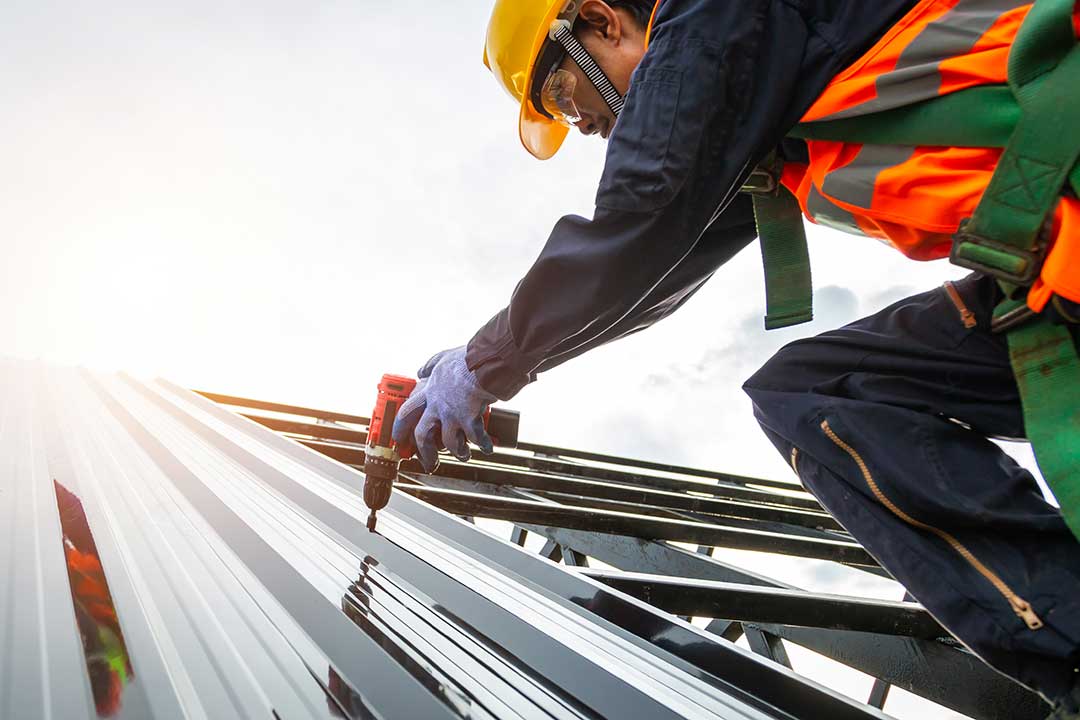
A common misconception is that metal roofing makes a home much colder in winter. The roof surface itself is not the main factor controlling indoor temperature. The insulation and air barrier between the living space and attic matter far more.
Is metal roofing safe during lightning?
A metal roof does not make a home more likely to be struck by lightning. Metal is conductive, but it is not generally considered a lightning hazard simply because it is used as a roofing material. The roof is also not a fuel source, so it does not ignite in the same way some combustible materials can.
Lightning protection depends on the full building and electrical system, not just the roof covering. Homes with concerns about lightning, nearby trees, exposed locations, or sensitive electronics may need a separate evaluation of the property’s protection measures.
What should homeowners consider before choosing?
The most useful comparison is based on the whole roof system and the home’s long-term needs.
Consider:
- Roof slope: Some metal panels and shingle products require specific slopes for proper drainage.
- Existing roof layers: Adding a new roof over old materials may not be appropriate if there are leaks, rot, excessive layers, or poor ventilation.
- Snow movement: Metal roofs may need measures to control sliding snow above frequently used areas.
- Attic condition: Moisture, inadequate insulation, and blocked ventilation should be addressed before installing a new roof.
- Future repairs: Think about whether replacement materials will remain available and easy to match.
- Appearance: Roof color and profile can affect how much heat the roof absorbs and how the home looks over time.
- Budget horizon: A lower initial price is not the same as a lower lifetime cost.
- Roof penetrations: Skylights, chimneys, plumbing vents, and additions create details that must be properly flashed with either material.
Which one is the better value?
Asphalt shingles are often the practical choice for homeowners who prioritize lower upfront expense, conventional appearance, and simpler spot repairs. Metal roofing may offer better long-term value for owners who plan to remain in the home for many years, want a longer replacement interval, or prefer its resistance to weather and surface wear.
The most reliable choice is the one that fits the building rather than the one with the strongest general reputation. A well-designed and properly installed asphalt roof can outperform a poorly detailed metal roof, and a carefully installed metal system can provide decades of dependable service.
For a house in Greene, the condition of the roof deck, attic ventilation, flashing, drainage, and snow-management details should be evaluated alongside the visible roofing material. Those less visible components often determine whether a roof performs well through many seasons.
