
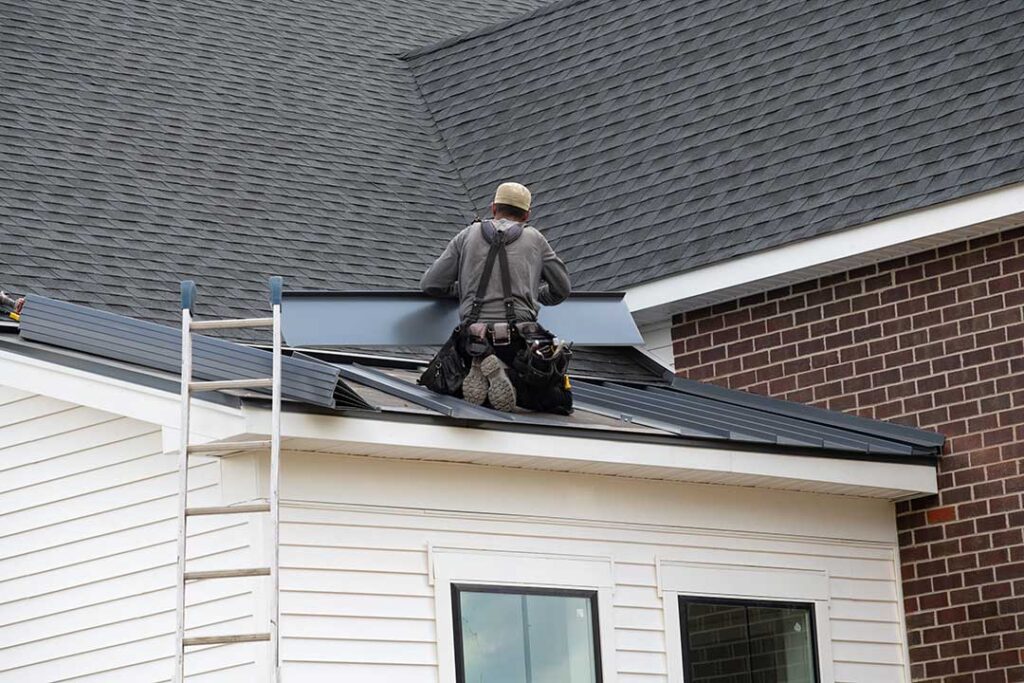
A new roof can reduce certain indoor allergens when it stops rainwater from entering the attic, ceilings, walls, and insulation. The main benefit is moisture control: fewer leaks and damp building materials mean fewer opportunities for mold to grow and release spores indoors.
A roof replacement does not remove every household allergen. Dust mites, pet dander, pollen, pests, and poor ventilation can remain even after the roofing work is complete. Still, correcting a recurring roof leak can be an important part of improving the indoor environment.
How can a roof affect allergens inside a home?
A roof is part of the home’s moisture-control system. If shingles, flashing, underlayment, or roof penetrations allow water through, moisture may reach areas that are difficult to see, including attic insulation, roof sheathing, ceiling drywall, and wall cavities.
Those damp materials can support mold growth. Mold spores are common both indoors and outdoors, but they can become a larger indoor concern when they land on wet wood, paper-faced drywall, insulation, carpeting, or other materials.
A roof-related moisture problem may contribute to:
- Musty odors
- Sneezing or nasal irritation
- Coughing or wheezing
- Itchy or watery eyes
- Mold growth in attic or ceiling areas
- Increased symptoms for people with asthma or mold allergies
The roof itself is not usually the direct source of household allergens. The concern is the moisture damage that may develop beneath it.
Why does replacing an old roof sometimes reduce mold risk?
A new roofing system can provide a more reliable water barrier than a roof with widespread deterioration, failed flashing, exposed underlayment, or repeated temporary repairs. When rain and melting snow stay outside the building envelope, attic and ceiling materials have a better chance of remaining dry.
This can reduce the conditions mold needs to grow. In Greene, NY, homes may experience repeated wetting from spring rain, summer storms, autumn weather, and winter snow or ice. Older homes may also have roof details, additions, dormers, chimneys, or valleys that make water intrusion harder to detect.
A replacement may be especially helpful when the existing roof has:
- Repeated leaks in the same area
- Soft or damaged sheathing
- Water stains on ceilings or upper walls
- Damp attic insulation
- Mold-like spotting near roof penetrations
- Missing, cracked, curled, or deteriorated roofing materials
- Flashing that no longer directs water away from openings
The improvement depends on more than new shingles. Flashing, ventilation, underlayment, drainage, and the condition of the underlying deck all affect whether the finished roof keeps moisture out.
Can a new roof remove allergens that are already inside?
No. A new roof can stop or reduce the source of future water intrusion, but it does not automatically remove mold, contaminated insulation, damaged drywall, or settled dust.
If a leak has already affected interior materials, those materials may need to be dried, cleaned, repaired, or removed. Moldy or persistently damp porous materials can be difficult to restore fully because growth may extend below the visible surface.
A practical sequence is:
1. Find and stop the water entry.
2. Dry affected areas as soon as possible.
3. Check attic insulation, roof sheathing, drywall, and nearby framing.
4. Remove or repair materials that remain damaged or moldy.
5. Address indoor humidity and ventilation.
6. Clean settled dust and replace contaminated filters when appropriate.
The longer wet materials remain damp, the greater the chance that mold growth will develop or spread.
Does attic ventilation matter after a roof replacement?
Yes. Roofing work and attic ventilation address related but different problems.
Roofing materials help keep precipitation outside. Attic ventilation helps manage heat and moisture that accumulate inside the attic. Without adequate air movement, warm indoor air can reach a cold roof deck and condense, particularly during colder weather. That moisture can resemble a roof leak and may contribute to mold growth.
A healthy attic system generally depends on:
- Air sealing around ceiling penetrations
- Proper insulation
- Clear intake and exhaust pathways
- Adequate ventilation for the roof design
- No blocked soffit or eave openings
- Bathroom and kitchen exhaust fans vented outdoors rather than into the attic
More ventilation is not always better if it is installed incorrectly. For example, adding an exhaust opening without enough intake airflow may not solve moisture problems. Air sealing and insulation are also important because ventilation alone cannot correct warm, moist air leaking into the attic from the living space.
Will a new roof reduce pollen and other common allergens?
Usually not by itself. Outdoor pollen can enter through open windows, doors, gaps, and mechanical ventilation. Pet dander, dust mites, and household dust are also unrelated to the roof’s age.
A roof replacement may help indirectly if it improves the home’s overall moisture performance. Lower moisture can make conditions less favorable for mold and dust mites, but it will not prevent seasonal pollen from entering or remove allergens already circulating indoors.
Other useful indoor-air measures include:
- Keeping indoor relative humidity near or below 50 percent
- Repairing plumbing and foundation leaks
- Using properly sized heating and cooling filters
- Cleaning dusty surfaces with methods that do not simply redistribute dust
- Washing bedding regularly
- Controlling pests
- Keeping windows closed during periods of high outdoor pollen when practical
- Using exhaust fans during bathing and cooking
These measures are most effective when combined with repairs to the building envelope.
What signs suggest a roof leak may be affecting indoor air?
A roof-related allergen problem may not begin with a dramatic ceiling drip. Warning signs can be subtle, especially in an attic or behind finished surfaces.
Look for:
- A musty smell that becomes stronger after rain
- Yellow, brown, or irregular ceiling stains
- Peeling paint or bubbling drywall
- Damp insulation
- Dark spotting on roof sheathing
- Condensation or frost on the underside of the roof deck
- Unexplained increases in allergy or asthma symptoms at home
- Stains around chimneys, skylights, vents, valleys, or roof edges
A stain may remain after the area dries, so appearance alone does not prove that an active leak continues. Moisture measurements, attic inspection, and observation during or after wet weather may help identify the cause.
When does the problem require more than routine cleaning?
Small areas of surface mold on hard, washable materials may sometimes be cleaned safely, but extensive growth, recurring moisture, hidden damage, or contamination in insulation and drywall requires greater caution.
Extra care is appropriate when:
- The affected area is large
- Mold is present in insulation or wall cavities
- The source of moisture is still unknown
- A household member has severe asthma or immune-system concerns
- Materials have been wet for an extended period
- There is sewage, floodwater, or other contaminated water damage
People should avoid disturbing suspected mold unnecessarily. Roof repairs, attic access, electrical hazards, unstable ceilings, and extensive water damage can also create safety risks that require qualified assistance.
A new roof can support cleaner indoor air, but its role is specific: it helps prevent rain and melting snow from creating the damp conditions that allow mold to grow. The strongest results come from pairing roof repairs with dry attic materials, sound ventilation, controlled humidity, and prompt attention to any interior water damage.
