

What do curling and cracking shingles mean?
Curling and cracking are signs that asphalt roof shingles are losing their ability to protect the roof deck. Curling usually appears when the edges or corners of shingles lift away from the roof surface. Cracking may look like narrow splits through the shingle surface, often running vertically or appearing in a pattern across several shingles.
Neither condition automatically means the entire roof must be replaced. The correct response depends on the age of the roof, the number of affected shingles, the location of the damage, and whether water has already reached the underlayment or roof deck.
In Greene, NY, seasonal temperature changes, winter moisture, wind, ice, and summer sunlight can all contribute to shingle deterioration. A roof may show damage gradually, even when there has not been a single major storm.
Why do roof shingles curl?
Shingle curling is usually caused by aging, heat exposure, moisture movement, or installation problems. Common patterns include:
- Edge curling: The lower edge of a shingle lifts upward.
- Corner curling: One or both corners turn upward.
- Buckling: A raised ridge or wave runs across several shingles.
- Blistering: Small bubbles or raised spots form in the shingle surface.
Asphalt shingles contain a fiberglass or organic base, asphalt, and protective mineral granules. Over time, these materials respond differently to heat and moisture. Repeated expansion and contraction can cause the shingle to lose its flat shape.
Poor attic ventilation can make the problem worse. If warm, moist air remains trapped beneath the roof, the underside of the roof assembly may stay damp during colder weather and excessively hot during summer. That repeated stress can shorten shingle life and encourage curling.
Shingles can also curl because they were not installed correctly. If the roof surface was not properly prepared, if shingles were fastened in the wrong location, or if the adhesive strips did not bond, the shingles may lift sooner than expected.
What causes shingles to crack?
Cracking occurs when shingles become brittle or lose flexibility. Age is a frequent cause, but it is not the only one. Long periods of strong sunlight, temperature swings, poor-quality materials, and manufacturing defects may all contribute.
Some cracks are surface-level and may not immediately allow water into the roof. Others extend through the full shingle and create a path for moisture. Cracks are especially concerning when they appear around flashing, roof penetrations, valleys, chimneys, or other areas where water naturally concentrates.
A roof may also develop cracks after being walked on during cold weather. Older shingles are less flexible and can break under pressure. Removing snow, installing equipment, or making repairs without proper care can create damage that looks similar to normal aging.
Can curled or cracked shingles be repaired?
A small number of damaged shingles can sometimes be replaced individually, particularly when the surrounding roof is still in good condition. A replacement may be reasonable when:
- The roof is relatively young.
- Damage is limited to a few shingles.
- The underlayment and roof deck are dry and sound.
- The matching shingle is available.
- The damage resulted from a specific event rather than widespread aging.
Individual repairs become more complicated when shingles have become brittle. Removing a damaged shingle can disturb nearby shingles, especially if the adhesive strips have hardened or the material breaks during handling.
Surface sealants or roofing cement may temporarily cover a small crack, but these materials do not restore the shingle’s original strength. Heavy patches can also interfere with drainage and make later repairs more difficult. A patch should not be treated as a permanent solution for widespread cracking or curling.
When does curling or cracking indicate roof replacement?
Replacement becomes more likely when damage is widespread, the roof is near the end of its expected service life, or several warning signs appear together. These signs may include:
- Curling or cracking across multiple roof slopes.
- Missing or loose granules collecting in gutters.
- Bald patches where the protective surface has worn away.
- Shingles that break easily when handled.
- Dark streaks, exposed fiberglass, or open seams.
- Water stains on ceilings or upper walls.
- Sagging areas on the roof surface.
- Repeated leaks despite earlier repairs.
The roof’s age provides useful context, but age alone does not determine its condition. Two roofs of the same age may perform differently because of differences in ventilation, installation, sun exposure, maintenance, and storm history.
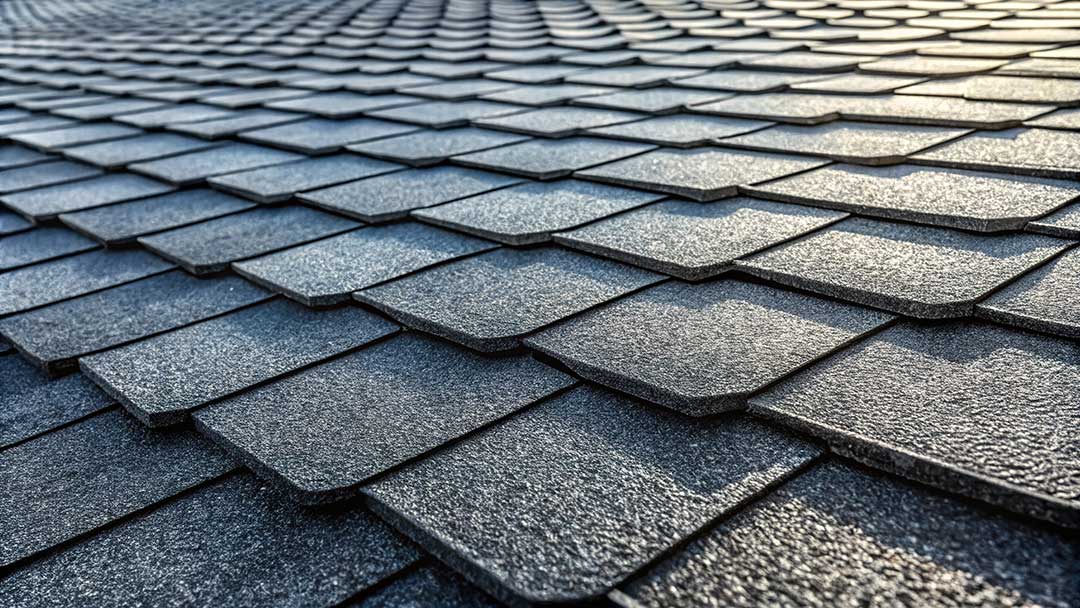
Damage on a south- or west-facing roof slope may develop sooner because those areas often receive more direct sunlight. Roof sections shaded by trees may stay damp longer after rain or snow, increasing the time that moisture remains near the shingles.
How should homeowners inspect the problem safely?
A basic ground-level inspection can identify warning signs, but walking on a damaged roof is risky and may cause additional breakage. From the ground, look for uneven shingle lines, lifted corners, missing pieces, exposed underlayment, or granules gathered below downspouts.
Attic inspection can reveal problems that are not visible from outside. During daylight, look for thin rays of light passing through the roof boards. After rain, check for damp insulation, water marks, musty odors, or darkened wood. Moisture may travel along rafters before appearing as a ceiling stain, so the visible spot indoors may not be directly below the exterior damage.
Any inspection involving steep slopes, icy surfaces, unstable ladders, electrical hazards, or structural damage should be left to someone equipped to work safely. Roof falls can occur even during seemingly minor inspections.
What should be done after spotting curled or cracked shingles?
Document the condition with clear photographs taken from the ground or from a safe attic location. Note where the damage appears, whether it is limited to one area, and whether any interior moisture has been observed.
If rain is entering the home, place containers beneath active drips and move furniture or stored items away from the affected area. Do not climb onto the roof during rain, snow, or high wind. Temporary interior measures can limit damage, but they do not stop water from entering above the ceiling.
Check gutters and downspouts for heavy granule buildup, but avoid assuming that clean gutters prove the roof is sound. Granules may wash away gradually, and water can enter through flashing or roof penetrations without producing obvious debris.
After winter, a visual review is useful because freeze-thaw cycles, ice movement, and snow-related stress may reveal lifted or cracked shingles. A second inspection after severe wind can identify missing shingles or exposed fasteners before a leak develops.
Can ventilation and maintenance prevent shingle damage?
Proper attic ventilation can help moderate roof temperatures and reduce moisture accumulation, although it cannot reverse shingles that are already brittle or curled. Ventilation works best when intake and exhaust paths are balanced and not blocked by insulation.
Routine maintenance also helps:
- Keep gutters and downspouts clear so water drains away from the roof.
- Trim branches that rub against shingles or drop heavy debris.
- Watch for moss or persistent dampness in shaded areas.
- Avoid pressure washing shingles.
- Limit roof foot traffic.
- Check flashing around chimneys, vents, skylights, and wall intersections.
- Keep attic insulation from blocking intended ventilation paths.
In the local climate, roofs must manage summer heat, autumn debris, winter snow, and repeated freeze-thaw conditions. Those seasonal stresses make early observation more useful than waiting for an interior leak.
What is the main concern with ignoring the damage?
The primary concern is not the appearance of curled or cracked shingles; it is the possibility that water will reach the underlayment, roof deck, insulation, framing, or interior finishes. Once wood stays wet, rot and mold-related problems can develop. Small roof defects can also expand during wind, freezing weather, or repeated storms.
A few damaged shingles may be a limited repair issue. Widespread curling, cracking, granule loss, or interior moisture suggests a broader roof-system problem that should be evaluated before the next period of heavy rain, snow, or high wind.
