
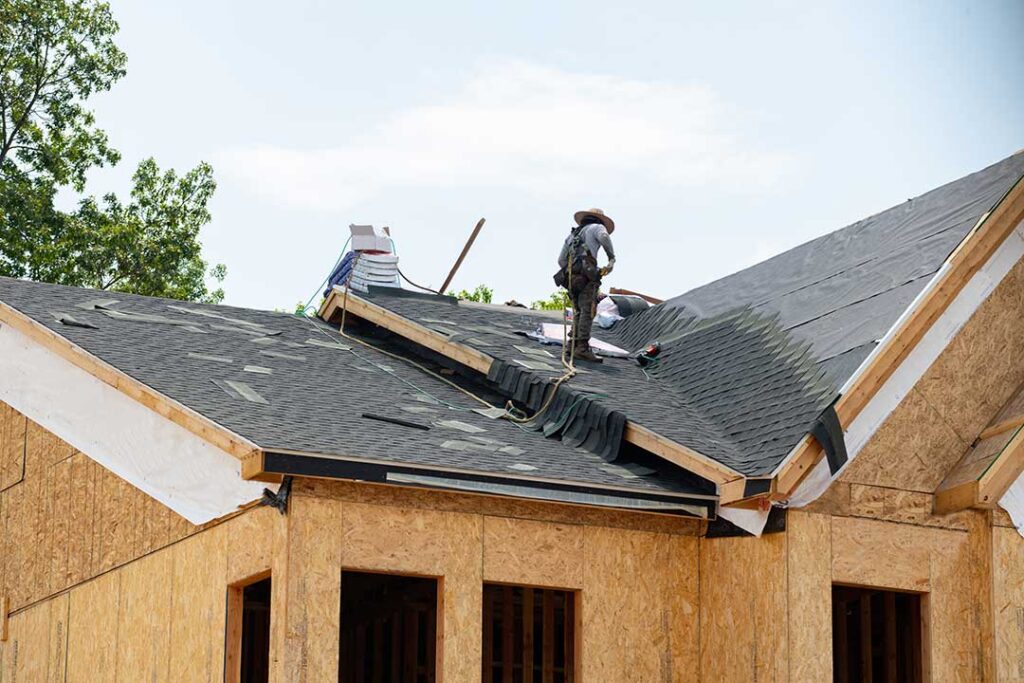
Why small roofing mistakes can become expensive problems
A roof repair may look straightforward, but a minor mistake can allow water to enter under shingles, behind siding, or into the attic. In Greene, NY, repeated cycles of snow, ice, rain, wind, and temperature changes can expose weak repairs quickly.
Many roofing problems are not caused by a lack of effort. They happen because the visible symptom is treated instead of the underlying cause. A ceiling stain, for example, may appear far from the actual point where water entered the roof.
Understanding the most common errors helps residents make safer decisions and recognize when a repair needs more investigation.
Mistake 1: Repairing only the visible leak
A roof leak does not always appear directly below the damaged shingle or flashing. Water can travel along roof decking, rafters, insulation, or other building materials before it reaches a ceiling.
A dark spot on a ceiling may be caused by:
- Damaged flashing around a chimney, vent, or roof edge
- A lifted or missing shingle several feet away
- An improperly sealed pipe penetration
- Ice-related water backup near the eaves
- Condensation in a poorly ventilated attic
Painting over the stain or applying sealant to the first visible crack may hide the symptom temporarily without stopping the water. The affected area should be traced from the interior and exterior, with attention to roof transitions, penetrations, valleys, and areas where different materials meet.
Mistake 2: Using roofing cement as a permanent solution
Roofing cement and exterior sealants can be useful in limited situations, but they are often treated as universal fixes. A thick patch may stop water briefly while creating a brittle, uneven surface that eventually cracks or pulls away.
Sealant is not a substitute for damaged flashing, missing shingles, deteriorated underlayment, or rotten roof decking. It can also make later repairs more difficult by covering fasteners and seams.
A repair should match the type of failure. A displaced shingle may need proper replacement and fastening. Failed metal flashing may require removal and installation of new flashing. Damaged wood may need to be addressed before the roof covering is restored.
Mistake 3: Installing replacement shingles without matching the existing roof
A replacement shingle should be compatible with the existing roof system. Differences in size, exposure, material, or fastening pattern can leave weak areas or create an uneven surface.
Color matching also matters, but appearance is not the only concern. The replacement should work with:
- The roof’s slope
- The existing underlayment
- The shingle manufacturer’s installation requirements
- The roof’s exposure to wind and snow
- The condition of nearby shingles
Using leftover materials from a different roof section may produce an acceptable temporary patch, but mixing incompatible products can reduce weather resistance. If the existing shingles are brittle, cracking, or losing their protective surface, replacing one small area may not solve the broader problem.
Mistake 4: Ignoring flashing and roof transitions
Flashing is one of the most leak-prone parts of a roof because it protects joints where water can collect or change direction. Common locations include chimneys, walls, skylights, valleys, vents, and roof edges.
A frequent mistake is focusing only on shingles while leaving damaged or poorly installed flashing in place. New shingles cannot reliably compensate for flashing that is loose, corroded, incorrectly overlapped, or sealed only with exposed caulk.
Roof transitions deserve special attention after heavy rain, snowmelt, or wind. These areas may look intact from the ground but still allow water beneath the roof covering.
Mistake 5: Nailing shingles incorrectly
Fasteners must be placed in the correct location and driven to the correct depth. Nails placed too high, too low, too close to an edge, or at an angle may fail to hold the shingle securely.
Overdriven nails can cut through the shingle material. Underdriven nails may leave raised areas where water can move underneath. Reusing old nail holes can also reduce holding strength, especially if the surrounding material has deteriorated.
Wind can expose these errors quickly. A shingle that appears secure on a calm day may lift during a strong gust if the fastening pattern is inadequate.
Mistake 6: Working on a wet, icy, or steep roof
Roof work becomes dangerous when surfaces are wet, frosted, snow-covered, or steep. Moisture can make shingles slippery, while cold temperatures may make some roofing materials stiff and easier to crack.
Snow and ice also hide damage and create uncertain footing. Ladders can shift on wet ground, and roof edges may be difficult to see when covered by accumulation.
Safety equipment, weather conditions, roof pitch, and access all matter. Falls are among the most serious risks associated with roof repairs. If a repair requires unsafe access or involves electrical equipment, structural damage, or unstable roofing materials, the task should not be treated as a routine do-it-yourself project.
Mistake 7: Replacing shingles without checking the roof deck
Shingles cover the roof, but the roof deck provides the structural surface beneath them. If the deck has softened from long-term moisture exposure, installing new shingles over it may leave the underlying weakness unchanged.
Signs of possible deck damage include:
- Spongy areas underfoot
- Sagging between rafters
- Dark staining or mold-like growth in the attic
- Repeated leaks in the same location
- Soft wood around roof penetrations
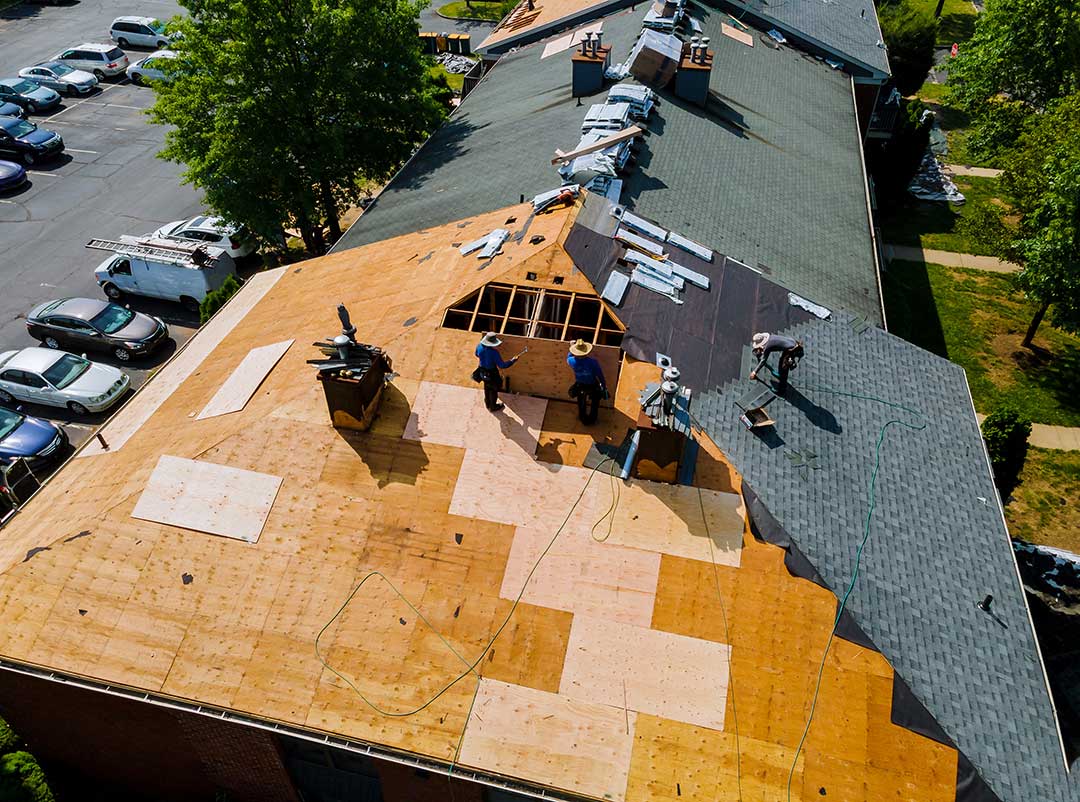
The source of moisture should be corrected before damaged decking is covered. Otherwise, the new roof material may have a shorter service life and the leak may return.
Mistake 8: Blocking or overlooking attic ventilation
Roof repairs can fail when attic moisture is mistaken for a roof leak. Warm, humid air from the living space can rise into a cold attic and condense on roof sheathing, nails, and insulation.
Poor ventilation may contribute to:
- Frost buildup in winter
- Damp insulation
- Mold or wood decay
- Peeling paint near ceilings
- Premature deterioration of roofing materials
Adding vents without considering the full airflow pattern can also create problems. Intake and exhaust ventilation need to work together, and vents should not be blocked by insulation. Air sealing at attic penetrations may be just as important as ventilation.
Mistake 9: Clearing snow or ice too aggressively
Removing heavy snow from a roof can reduce loading, but forceful scraping or chopping may damage shingles, flashing, gutters, and the roof surface. Metal tools can remove protective granules or puncture roofing materials.
Ice dams should not be broken apart with sharp tools. The immediate ice may be removed while the underlying cause remains, allowing water to back up again. Heat sources used carelessly near roofing materials can also create fire or electrical hazards.
Winter roof concerns should be evaluated with attention to drainage, insulation, ventilation, and recurring snow accumulation rather than only the visible ice.
Mistake 10: Waiting until interior damage appears
A roof does not always show obvious warning signs before causing damage. Missing granules in gutters, lifted shingles, loose flashing, daylight in the attic, or damp insulation may indicate a problem before a ceiling stain develops.
After strong wind, heavy snowfall, or prolonged rain, a ground-level visual check can help identify changes. Residents should avoid walking on the roof simply to inspect it. Binoculars, attic observations, and checks around ceilings and upper walls may provide useful early clues.
Keeping notes and photographs after a storm can also help distinguish a new problem from older staining or ongoing moisture.
What should be checked after a roof repair?
A completed repair should be checked for more than appearance. The repaired area should have secure materials, proper overlaps, sealed or mechanically protected transitions where appropriate, and no exposed fasteners that can collect water.
The attic and nearby interior surfaces should also be monitored after the next significant rain or snowmelt. A repair that looks sound from the ground may still leak under changing weather conditions.
For homes in the community, seasonal inspection is especially useful because winter conditions can reveal weaknesses that remain hidden during dry weather. A careful repair addresses the source of the problem, preserves the surrounding roof system, and considers how water, ice, wind, and attic moisture interact.
