
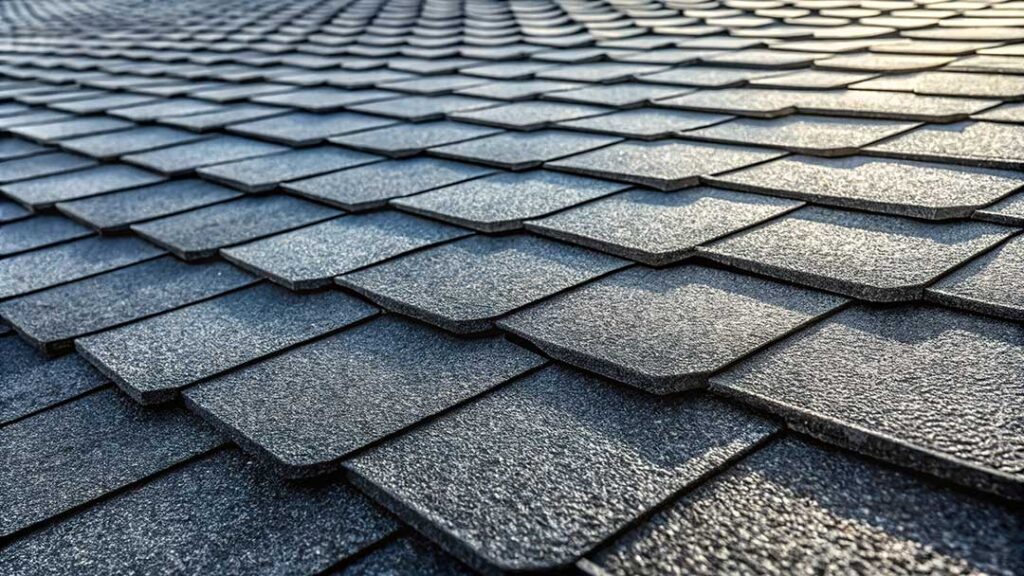
What are roof eaves?
Roof eaves are the lower edges of a sloped roof that extend beyond the exterior walls. They typically include the roof overhang, the soffit beneath it, and the fascia along the outer edge.
Although eaves may look like a simple architectural detail, they perform several important jobs. They help move rainwater away from walls and foundations, shield windows and siding from weather, support attic ventilation, and reduce the amount of moisture that reaches vulnerable parts of the building.
For homes in Greene, NY, these functions matter throughout the year. Rain, snow, ice, freezing temperatures, wind, and seasonal changes can all test the condition of the roof edge.
How do roof eaves protect walls and foundations?
The main purpose of an eave is to move precipitation away from the side of the house. Without an adequate overhang, water running down the roof can fall directly against siding, trim, windows, doors, and foundation walls.
Roof eaves work with gutters and downspouts to control that water. The roof sheds precipitation toward the eave, the gutter catches much of it, and the downspout directs it toward a suitable discharge area.
A properly functioning eave can help reduce:
- Water staining on exterior walls
- Rot in fascia, soffit, and trim
- Soil erosion beside the foundation
- Basement or crawl-space moisture
- Splashback onto siding and windows
- Ice buildup near roof edges
The eave does not eliminate drainage problems by itself. Gutters must be properly pitched, securely attached, and free of heavy debris. Downspouts also need to discharge water far enough away from the foundation rather than releasing it directly beside the wall.
What is the difference between a soffit, fascia, and eave?
These terms describe related but different parts of the roof edge.
The eave is the entire lower roof edge where the roof extends beyond the wall. The soffit is the finished underside of that overhang. It may be made from wood, metal, or another durable material and often contains ventilation openings.
The fascia is the vertical board or trim along the outer edge of the roof. Gutters are commonly attached to or near the fascia. Because it supports gutter hardware and is exposed to runoff, fascia can deteriorate when water enters behind the gutter or roof covering.
A problem in one part can affect the others. For example, a leaking gutter may damage the fascia, while a damaged soffit may allow animals, insects, or wind-driven moisture into the attic.
Why are eaves important for attic ventilation?
Many roof eaves contain intake vents that allow outside air to enter the attic. This air moves upward toward higher roof vents, helping create a balanced ventilation path.
Effective attic ventilation can help manage heat and moisture. During cold weather, warm indoor air that reaches the attic can condense on cold roof surfaces. During summer, a ventilated attic can release some accumulated heat.
Eave ventilation only works properly when the air path is open. Insulation should not block soffit vents, and stored items should not be pushed into the edges of the attic. Baffles or air chutes may be used to preserve airflow between the soffit vents and the upper attic area.
Ventilation is not a substitute for air sealing. Gaps around light fixtures, plumbing penetrations, wiring, attic hatches, and ductwork can allow warm, moist household air into the attic. Both air sealing and ventilation may be needed to manage condensation.
How do snow and ice affect roof eaves?
Roof edges are particularly vulnerable during winter because they are exposed to changing temperatures and may be colder than the roof surface farther uphill. Snow can melt above a colder eave, refreeze near the edge, and form an ice dam.
An ice dam can hold water behind it. If that water works beneath shingles or roofing materials, it may enter the attic, walls, or ceiling. Signs of possible winter-related problems include:
- Water stains on ceilings or upper walls
- Damp insulation near the roof edge
- Icicles accompanied by heavy ice buildup
- Peeling paint or deteriorated trim
- Dripping near windows after a freeze
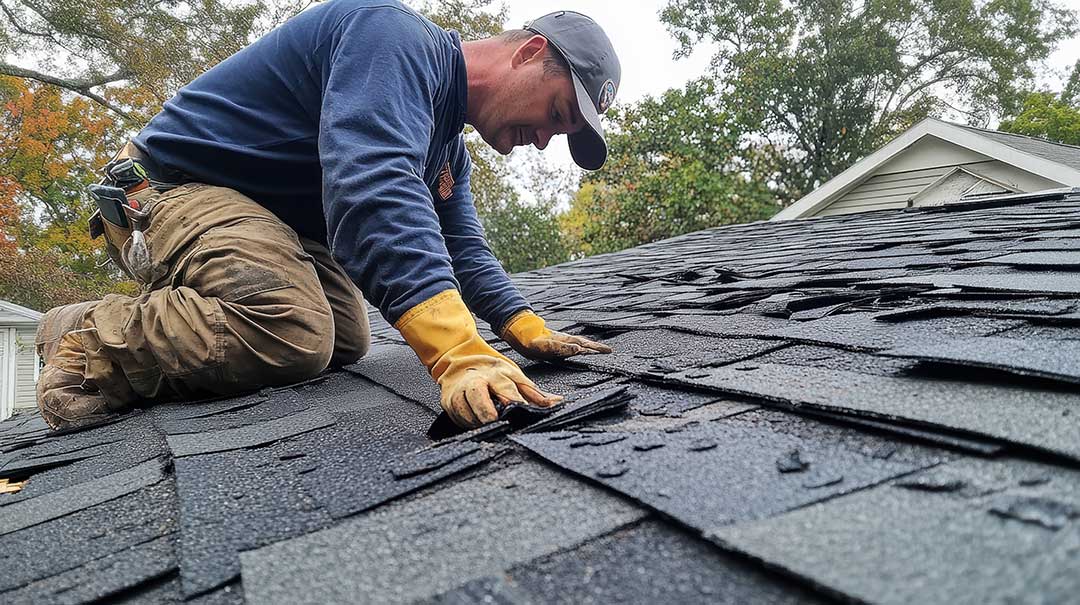
Large icicles are not always proof of a serious defect, but repeated ice buildup deserves attention. Safe snow and ice management should avoid walking on the roof or using sharp tools that can damage roofing materials.
What maintenance do roof eaves need?
Routine observation is usually more useful than waiting for visible interior damage. In spring and fall, residents can inspect the roof edge from the ground and check accessible gutters and downspouts.
Look for:
- Sagging or separated gutters
- Rust, cracks, or open seams
- Soft, stained, or peeling fascia
- Discolored or sagging soffit panels
- Missing screens over ventilation openings
- Plants or debris growing in gutters
- Water marks below the roof edge
- Birds, squirrels, or insects entering the attic
Gutters should be cleaned as needed, especially after leaves and small branches accumulate. In areas with mature trees, maintenance may be needed more frequently than once each year.
A gutter should not be fastened only to deteriorated fascia. If the wood behind the gutter is soft, new hardware may not hold securely, and the underlying water problem may continue.
Do all homes need large roof overhangs?
No. Eave size depends on the roof design, building style, lot conditions, exterior materials, and drainage system. A larger overhang can provide more protection from rain and sun, but it also needs adequate support and careful detailing.
Homes with limited overhangs may rely more heavily on properly installed flashing, well-maintained gutters, durable siding, and carefully sealed openings around windows and doors. The absence of a large eave is not automatically a defect.
What matters is whether the roof edge directs water away from the building and remains structurally sound.
What should residents check after a major storm?
After strong wind, heavy rain, or a significant snow event, inspect the roof edge from a safe location. Look for hanging gutter sections, displaced metal, missing trim, exposed fasteners, or water flowing behind the gutter instead of into it.
Do not climb onto a wet, icy, or snow-covered roof. Roof-edge work can be hazardous, especially where ladders must be placed near sloped ground, ice, electrical lines, or unstable surfaces. Conditions involving structural damage, active leaks, electrical hazards, or difficult roof access may require qualified assistance for safe evaluation.
A small problem at an eave can become more expensive if it allows repeated moisture into fascia, soffits, insulation, wall cavities, or foundation areas. Understanding the roof edge makes it easier to recognize those problems early and maintain the parts of the home that quietly manage rain and snow every day.
