
A roof replacement can help lower energy bills when the existing roof has poor ventilation, damaged insulation, air leaks, or materials that allow excessive heat transfer. The savings usually come from correcting several building problems at the same time rather than from the roof covering alone.
For households in Greene, NY, roof performance matters most during long heating seasons, cold winter nights, summer heat, and periods of wind-driven weather. A properly designed roof system can make indoor temperatures more stable and reduce the amount of work required from heating and cooling equipment.
Can replacing a roof really lower energy bills?
Yes, but the result depends on the condition of the entire roof assembly. New shingles or other roof coverings do not automatically create major energy savings if insulation, air sealing, and ventilation remain inadequate.
A roof replacement may improve energy performance by addressing:
- Missing, compressed, or damp insulation
- Gaps that allow heated or cooled air to escape
- Blocked or poorly designed attic ventilation
- Moisture damage that reduces insulation effectiveness
- Dark, deteriorated roofing surfaces that absorb excessive heat
- Air movement around attic openings, ducts, chimneys, and plumbing vents
If the roof is already well insulated and properly ventilated, replacing it may have little effect on utility costs unless the old roof is causing moisture problems or allowing significant air leakage.
How does an old roof affect energy use?
An aging roof can contribute to higher bills in several ways. Damaged flashing, deteriorated underlayment, and gaps around roof penetrations may allow outside air into the attic. That air can make the attic colder in winter and hotter in summer, increasing the load on the home’s heating and cooling systems.
Water intrusion is another concern. Wet insulation loses much of its insulating ability and may remain less effective even after it appears dry. Persistent moisture can also damage roof sheathing, framing, and interior finishes.
Older roofs may also have ventilation systems that were incomplete from the beginning. For example, an attic may have exhaust vents but not enough intake ventilation at the lower roof edges. Without a balanced flow of air, heat and moisture can build up in the attic.
Why are attic insulation and air sealing so important?
Insulation slows heat movement, while air sealing prevents uncontrolled air movement. Both are needed for good roof-related energy performance.
During winter, warm indoor air naturally rises. If it passes through gaps around light fixtures, attic hatches, wiring, plumbing, or ductwork, it can enter the attic and carry moisture with it. That moisture may condense on cold surfaces, contributing to frost, damp insulation, mold growth, or wood deterioration.
During summer, a hot attic can transfer heat downward into the living space. Adequate insulation reduces that transfer, while proper ventilation helps remove some of the accumulated heat and moisture.
A roof replacement is often an opportunity to inspect the attic and correct these issues before the new roof covering is installed. However, insulation and air sealing should be treated as separate parts of the project, not assumed to be included automatically.
What does roof ventilation do?
Roof ventilation helps regulate attic temperature and moisture. A balanced system generally brings air in through lower intake openings and allows warmer, moist air to leave through higher exhaust openings.
Good ventilation can help:
- Reduce winter moisture buildup
- Limit condensation on roof sheathing
- Reduce summer heat accumulation
- Protect insulation from dampness
- Support longer service life for roofing materials
- Reduce the chance of ice dams caused by uneven roof temperatures
Ventilation does not replace insulation. An attic with plenty of vents but insufficient insulation can still transfer substantial heat into or out of the home. Likewise, heavy insulation with blocked intake paths may not allow moisture to escape effectively.
Can a lighter-colored roof reduce cooling costs?
A lighter or more reflective roof surface can absorb less solar heat than a very dark surface. This may reduce attic temperatures during sunny summer weather, particularly in homes with limited shade or weak attic insulation.
The effect on total household energy bills is often modest in a climate where heating represents a large share of annual energy use. Roof color should therefore be considered alongside insulation, ventilation, air sealing, windows, and mechanical equipment.
Roof color also does not solve winter heat loss. A roof that reflects summer sunlight can still perform poorly if the attic has air leaks or inadequate insulation.
What roof problems should residents look for before replacement?
Some warning signs suggest that energy performance may be affected:
- Uneven indoor temperatures between the upper and lower floors
- Rooms that become unusually hot in summer or cold in winter
- Ice buildup along roof edges during freezing weather
- Frost or dampness visible in the attic
- Insulation that is wet, flattened, or missing
- Daylight visible through roof or attic joints
- Peeling paint or water stains near ceilings
- High heating bills that seem inconsistent with household usage
- Roof surfaces that are sagging, blistered, or frequently repaired
These symptoms do not always mean the roof itself is the only problem. They may also point to duct leakage, inadequate wall insulation, poor window performance, or heating-system issues.
Will a new roof prevent ice dams?
A new roof can reduce the conditions that contribute to ice dams, but the roof covering alone does not prevent them. Ice dams typically form when heat escapes into the attic, warms parts of the roof, and causes snow to melt. The water then refreezes near colder roof edges.
The most effective roof-related improvements usually involve a combination of:
- Air sealing between the living space and attic
- Adequate attic insulation
- Balanced ventilation
- Proper waterproof protection in vulnerable roof-edge areas
- Good drainage through gutters and downspouts
Snow removal from a roof can be hazardous and may damage roofing materials if done improperly. Roof-edge ice, heavy snow loads, and leaking ceilings deserve prompt attention because they can create both safety and structural concerns.
How much can energy bills decrease?
There is no reliable single percentage for every home. Savings depend on the roof’s previous condition, the amount of insulation added, air leakage, home size, heating fuel, thermostat settings, weather, and the efficiency of the heating and cooling equipment.
A roof replacement is more likely to produce noticeable savings when it also corrects major attic problems. If the roof covering is replaced but the attic remains poorly insulated and leaky, the change in energy use may be small.
Households can compare utility use before and after the work by reviewing energy consumption during similar weather periods. Looking at usage rather than only the dollar amount is useful because fuel prices and electricity rates can change independently of the home’s performance.
What should be checked during a roof replacement?
A thorough evaluation should consider the complete roof system, including:
- Roof decking and structural condition
- Underlayment and flashing
- Attic insulation depth and condition
- Intake and exhaust ventilation
- Air leaks at attic penetrations
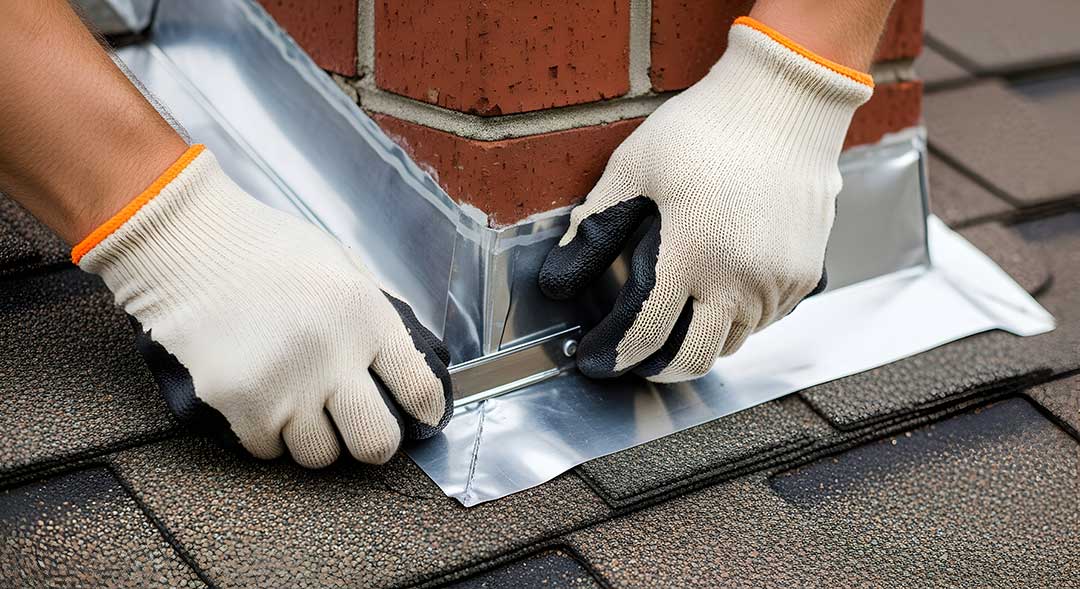
- Chimney, plumbing, and vent connections
- Gutters and drainage paths
- Moisture damage or signs of condensation
In older housing, the attic may reveal problems that are not visible from the ground. Any work involving steep roofs, structural damage, electrical components, or difficult attic access may require qualified assistance for safety and code compliance.
A roof replacement can support lower energy bills, but the greatest benefit usually comes from treating the roof, attic, insulation, ventilation, and moisture control as one connected system. For local households, that approach improves comfort during changing seasons and helps prevent energy savings from being lost through hidden air leaks or damp insulation.
