
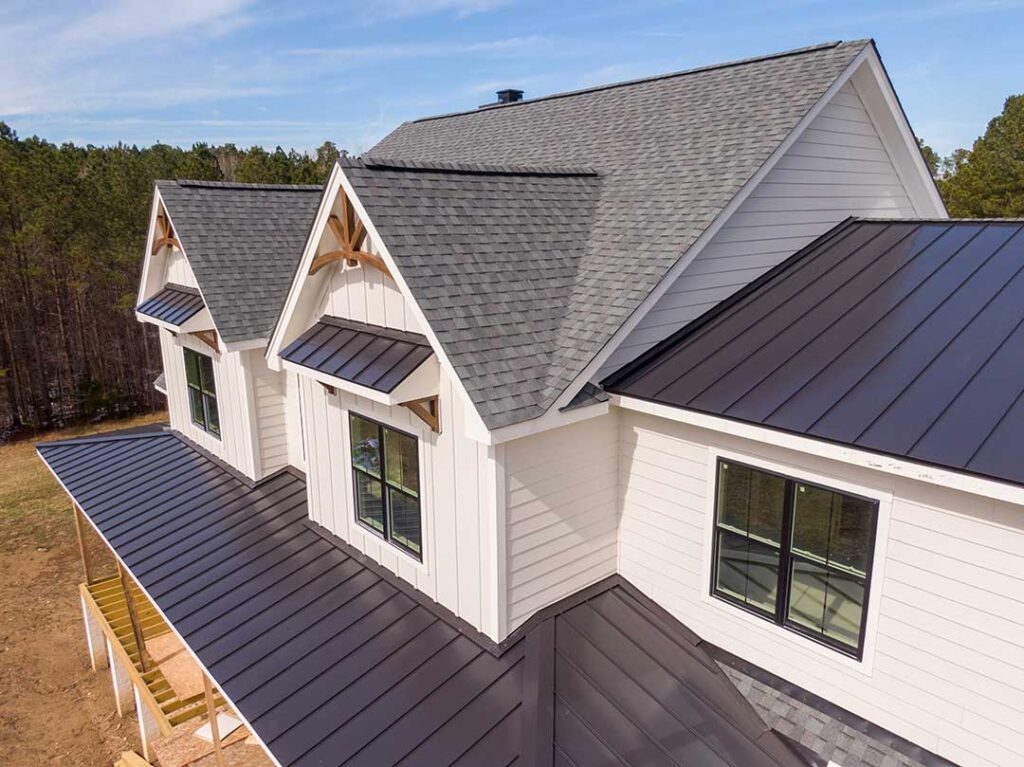
Replacing a roof can help reduce energy bills, but the savings usually come from more than new shingles alone. A complete roof replacement may improve attic insulation, ventilation, air sealing, moisture control, and the roof’s ability to manage summer heat and winter cold.
For households in Greene, NY, these improvements can matter during long heating seasons, cold-weather roof loads, summer humidity, and periods of rapid temperature change. The roof is one part of the building envelope, so its effect on energy use depends on how well the entire attic and upper floor are designed.
Can a new roof really lower energy bills?
Yes, a roof replacement can lower energy use when the existing roof has problems that allow heat to escape in winter or enter the home in summer. The greatest benefits usually occur when replacement work includes correcting related attic and ventilation issues.
A roof that is simply covered with new roofing material may look better and resist leaks, but it may not make a noticeable difference in utility costs if the attic remains poorly insulated or full of air leaks.
Energy savings are more likely when a replacement addresses conditions such as:
- Damaged or missing roof decking
- Compressed, thin, or uneven attic insulation
- Blocked soffit or ridge ventilation
- Gaps around plumbing pipes, chimneys, wiring, or light fixtures
- Moisture damage that has reduced insulation performance
- Dark, heat-absorbing roofing over a poorly ventilated attic
- Ice dam damage caused by uneven roof temperatures
How does a roof affect winter heating costs?
During winter, warm indoor air naturally rises toward the attic. If the ceiling below the attic has gaps or insufficient insulation, that heat can escape through the roof assembly. The heating system then runs longer to maintain the thermostat setting.
A roof replacement creates an opportunity to inspect the attic side of the ceiling and correct weaknesses before the new roof is installed. Air sealing is particularly important. Small openings around electrical penetrations, exhaust fans, attic hatches, and framing joints can allow heated air into the attic.
Insulation works best when it is continuous and dry. If old insulation is disturbed by leaks, compressed by storage, or interrupted by uninsulated areas, its performance is reduced. A roofing project may reveal these conditions and make them easier to correct.
Winter roof performance also affects ice dams. Ice dams form when heat escaping from the home melts snow on warmer portions of the roof, while colder eaves allow water to refreeze. They are not caused by inadequate shingles alone. Better insulation, air sealing, and balanced ventilation can help reduce the uneven roof temperatures that contribute to the problem.
Can roof replacement reduce summer cooling costs?
It can, especially when attic temperatures become excessive. In summer, sunlight heats the roof surface, and that heat can transfer into the attic and upper rooms. If the attic is poorly ventilated or insulated, the cooling system may operate more frequently.
A properly designed roof assembly can reduce this heat transfer. The specific result depends on the roofing material, color, underlayment, ventilation layout, insulation level, and the home’s orientation.
Reflective or lighter-colored roofing can reduce solar heat gain, although the effect may be less noticeable in a home with a well-insulated attic. In many houses, improving the insulation and air sealing between the attic and living space provides more consistent benefits than changing roof color alone.
Roof ventilation also needs to be balanced. Intake ventilation near the eaves and exhaust ventilation near the upper roof work together to move air through the attic. Adding exhaust vents without adequate intake air may not improve performance and can sometimes pull conditioned air from the house into the attic through ceiling gaps.
What parts of a replacement affect energy performance?
The roof covering is only one layer of a complete roof system. Energy performance may be influenced by several components:
Roof decking: Damaged or deteriorated decking can allow drafts and moisture problems. Replacing compromised areas creates a sound base for the rest of the assembly.
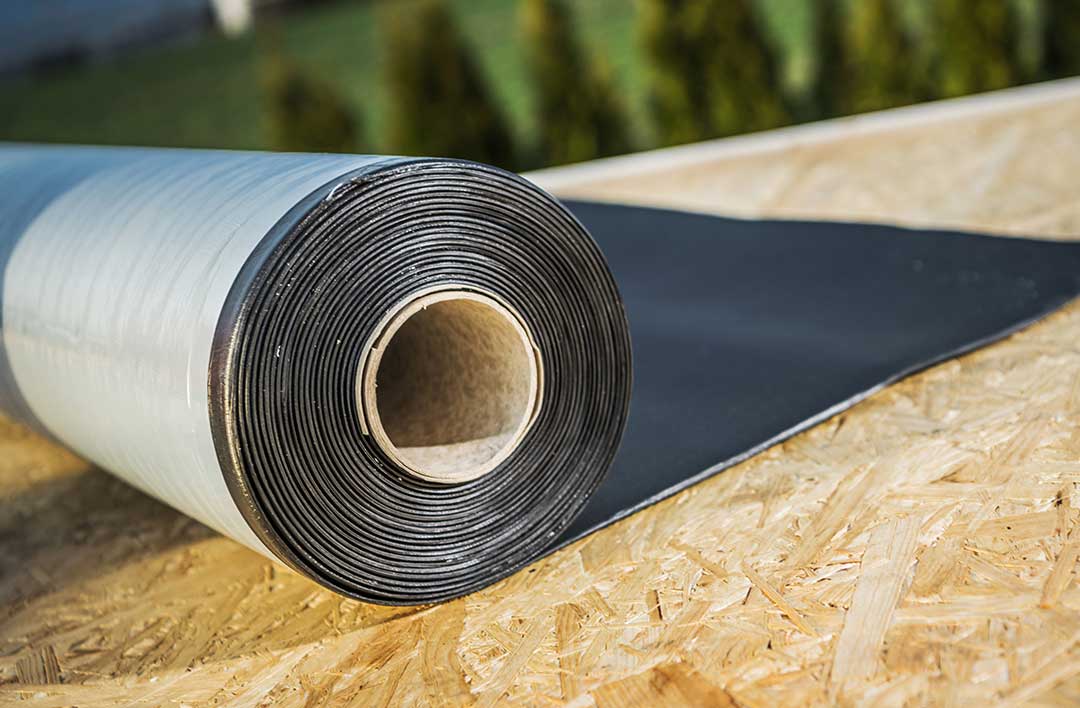
Underlayment: Underlayment helps manage water beneath the visible roofing. It does not replace insulation, but it can help keep the roof system dry, which protects insulation and framing.
Flashing: Proper flashing around roof edges, valleys, chimneys, and penetrations reduces water entry. Preventing moisture damage helps preserve insulation and prevents wet building materials from losing performance.
Ventilation: Balanced intake and exhaust ventilation can help manage heat and moisture in the attic.
Insulation: Roof replacement may expose areas where insulation is missing, settled, or damaged. Insulation work may be separate from roofing, but the two projects often need to be considered together.
Air sealing: Sealing ceiling penetrations helps stop conditioned air from escaping into the attic. This is often overlooked because the work is not visible from the ground.
How much money can a homeowner expect to save?
There is no dependable single dollar figure for every household. Savings depend on the home’s age, size, insulation, heating fuel, thermostat habits, air leakage, roof design, and the condition of the existing roof system.
A roof replacement is more likely to produce measurable energy savings when the previous roof had serious ventilation or moisture problems, the attic was underinsulated, or the roof deck and ceiling had substantial air leakage.
If the existing roof is already well insulated, properly ventilated, and free of major air leaks, replacing sound roofing materials may provide little direct reduction in energy bills. The main benefits in that situation may involve water protection, durability, and avoiding future damage rather than lower utility costs.
It is also useful to separate energy savings from maintenance savings. Preventing a leak may avoid repair costs, but that is different from reducing heating or cooling consumption.
What should residents check before replacing a roof?
Before work begins, an attic inspection can help identify whether the roof is contributing to high energy use. Useful questions include:
- Is insulation evenly distributed across the attic floor?
- Are there visible gaps around wiring, pipes, or attic access panels?
- Does insulation show signs of water staining or mold-like growth?
- Are soffit vents blocked by insulation?
- Is the attic unusually hot in summer or damp in winter?
- Are bathroom or kitchen exhaust ducts releasing moist air into the attic?
- Are there signs of frost, condensation, or recurring ice dams?
- Is the ceiling below the attic noticeably cold or drafty?
These observations do not determine the exact cause of high bills, but they can show whether roofing, insulation, ventilation, or air sealing should be evaluated together.
Does replacing a roof make a home more energy efficient by itself?
Usually not. New roofing can improve the overall building envelope, but it does not automatically correct heat loss or heat gain. Energy performance depends on the relationship among the roof covering, attic floor, ventilation, insulation, ceilings, walls, windows, and heating and cooling equipment.
For many homes, the most practical approach is to treat roof replacement as a chance to inspect the entire upper portion of the building. Correcting leaks, sealing air pathways, restoring ventilation, and improving insulation may provide more energy benefit than the roofing material alone.
In Greene, seasonal weather makes moisture control especially significant. A dry, well-sealed, properly insulated attic is more likely to remain effective through cold winters, humid summers, wind-driven rain, and repeated freeze-thaw cycles. Roof replacement can support that result when the work addresses the full roof system rather than only the surface visible from the street.
