
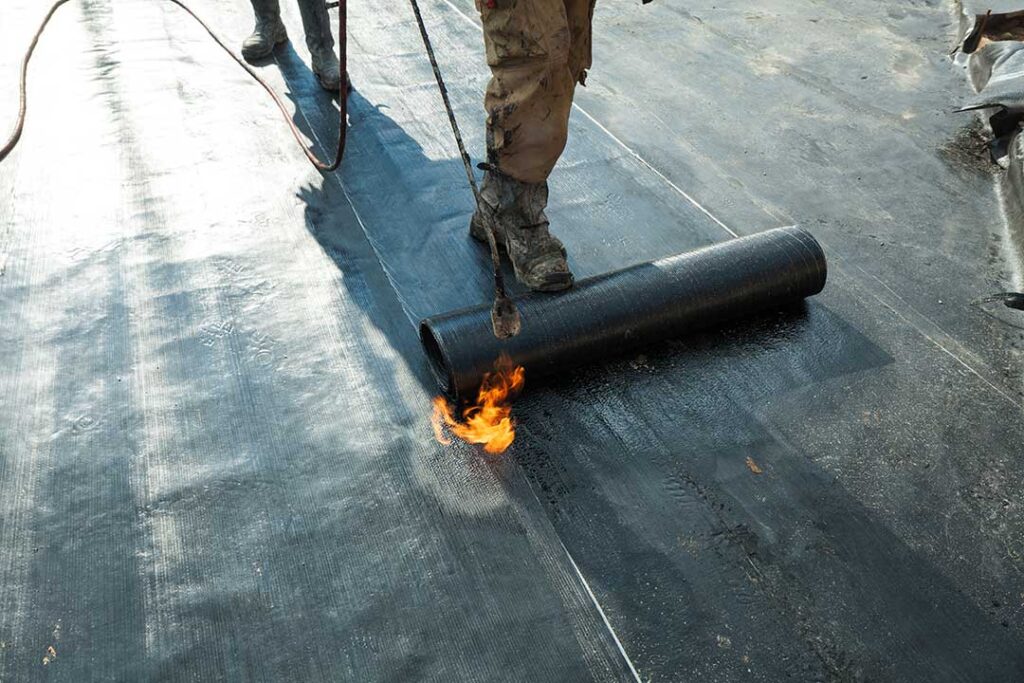
Roof aging does not look the same on every house. Asphalt shingles may lose protective granules, metal panels may develop corrosion around fasteners, and slate may remain attractive long after the underlying flashing or roof deck has weakened. For residents of Greene, NY, seasonal snow, ice, rain, wind, and repeated freeze-thaw cycles can make these differences especially noticeable.
A roof’s age should be judged by more than its installation date. Material quality, roof slope, attic ventilation, tree cover, drainage, past repairs, and exposure to weather all influence how quickly visible wear becomes a water-management problem.
What are the first signs that a roof is aging?
The earliest clues are usually changes in appearance, texture, alignment, or water control. A roof may still look serviceable from the ground while small defects are developing around penetrations, valleys, chimneys, skylights, and roof edges.
Common warning signs include:
- Missing, cracked, curled, split, or slipping roofing pieces
- Dark moisture marks on attic framing or ceiling surfaces
- Granules collecting in gutters or at downspout outlets
- Rusted, loose, or deteriorated flashing
- Sagging areas along the roof plane or ridge
- Repeated leaks after snow, wind-driven rain, or ice buildup
- Moss, algae, or organic debris holding moisture against the covering
- Daylight visible through the roof deck from inside the attic
A single damaged shingle does not necessarily mean the entire roof has failed. However, widespread similar defects often indicate that the material is aging as a system rather than suffering from one isolated incident.
How does an asphalt shingle roof show age?
Asphalt shingles commonly show aging through loss of surface granules, brittleness, curling, cracking, and exposed or deteriorated edges. Granules protect the shingle from sunlight and weather, so areas that appear unusually smooth or discolored may have less remaining protection.
Look for shingles that:
- Curl upward at the corners or along the lower edge
- Become brittle and crack when flexed
- Lose large amounts of granules into gutters
- Appear uneven because of blistering or repeated patching
- Have lifted, missing, or poorly sealed tabs
- Show exposed dark backing beneath lost granules
A roof can also age unevenly. South-facing or less-shaded slopes may deteriorate faster because of greater sun exposure, while shaded slopes may develop moss or algae. Heavy snow and ice can stress older shingles, particularly when roof drainage is restricted.
Dark streaks are often associated with algae and do not automatically indicate a leak. Moss is more concerning because its roots and retained moisture can lift shingle edges and keep the roof surface damp.
What does aging look like on a metal roof?
Metal roofs often age differently from shingle roofs. The panels may remain intact while fasteners, seams, flashing, coatings, or penetrations become vulnerable.
Important signs include:
- Rust around exposed fasteners, seams, valleys, or cut edges
- Loose or backed-out screws with damaged washers
- Open seams or panels that have shifted
- Peeling or chalking protective coatings
- Small punctures, dents, or holes
- Water stains below roof penetrations
- Corrosion where dissimilar metals meet
Some surface discoloration is cosmetic, but active rust that is expanding through the panel is more serious. Pay close attention to areas where snow slides, branches strike, or ice remains along lower roof edges.
Metal roofs can also make noises during temperature changes. Normal expansion and contraction do not necessarily signal failure, but new movement, visible distortion, or leaking fasteners deserves closer attention.
How can aging be identified on slate roofing?
Slate may last for many decades, but its surrounding components can age sooner. The condition of the slates, fasteners, flashing, underlayment, and roof deck all matter.
Aging or damage may appear as:
- Cracked, broken, or missing slates
- Slates that sound loose or move under light pressure
- Rows that have slipped downward
- Rusted nails or deteriorated metal flashing
- Powdering, delamination, or thin broken edges
- Repeated repairs using mismatched materials
- Water stains near valleys, chimneys, or wall intersections
A slate roof should not be judged only by its overall appearance. Individual slates can remain visually attractive while concealed flashing or the wood beneath has weakened. Walking directly on slate can break sound pieces, so close inspection requires appropriate methods and caution.
What are the signs of aging on wood shakes and shingles?
Wood roofing usually shows age through changes in moisture behavior and the condition of the wood grain. Older wood shakes and shingles may split, curl, cup, erode, or become soft from prolonged dampness.
Inspect for:
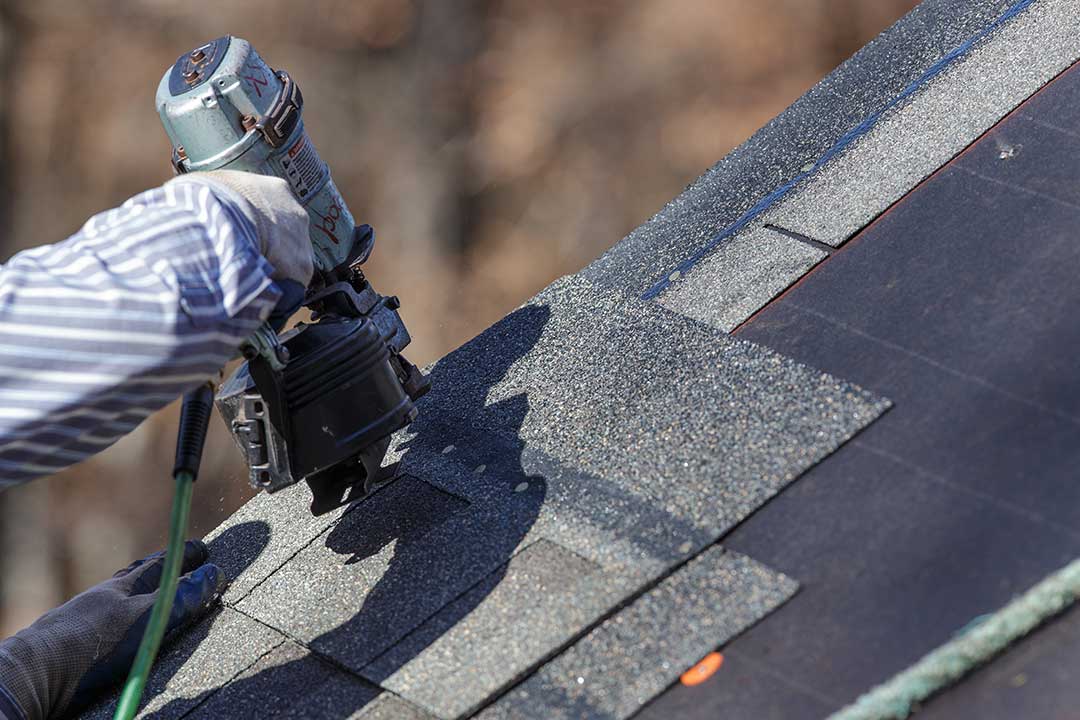
- Long cracks running with the grain
- Split or missing shakes
- Cupped, curled, or warped pieces
- Dark areas that remain damp
- Fungal growth or decay at lower edges
- Thinning wood surfaces
- Excessive debris trapped between courses
Wood roofs need airflow and the ability to dry. Overhanging branches, leaf buildup, blocked drainage, and nearby shaded areas can accelerate deterioration. A piece that looks merely weathered may be structurally weak if it crumbles, feels soft, or has lost much of its thickness.
Do tile and synthetic roofing materials age differently?
Clay, concrete, and composite roofing materials often resist ordinary weathering for a long time, but they can still crack, shift, fade, or become vulnerable at fasteners and transitions.
For tile roofs, look for:
- Cracked or broken tiles
- Sliding tiles or uneven rows
- Chips caused by impact or freeze-thaw stress
- Deteriorated underlayment beneath otherwise sound tiles
- Damaged flashing around chimneys and roof openings
Synthetic roofing may show fading, surface wear, cracking, brittleness, or changes around fasteners. Because products vary widely, the appearance of aging should be compared with the material’s original design rather than judged by color alone.
Why do valleys, edges, and roof penetrations age first?
Water moves faster and concentrates at valleys, eaves, gutters, wall intersections, chimneys, skylights, and plumbing vents. These locations also contain more flashing, seams, fasteners, and changes in roof direction.
A roof covering can appear healthy across the main slopes while these details develop leaks. Check ceilings and attic areas below them for staining, damp insulation, softened wood, or musty odors. Stains may appear far from the actual entry point because water can travel along rafters, sheathing, or insulation before becoming visible.
How do Greene weather conditions affect roof aging?
Local roofs must handle winter snow, ice, wind, spring moisture, summer heat, and rapid temperature changes. Freeze-thaw cycles can widen cracks, loosen flashing, and move water into small openings. Snowmelt can expose weak areas that remain unnoticed during dry weather.
Seasonal maintenance is most useful when it focuses on observation:
- Check visible roof edges after major wind or snow events.
- Keep gutters and downspouts clear of leaves and roof granules.
- Look for staining in attic spaces after heavy rain or thawing.
- Trim branches that rub against roofing or drop debris.
- Record the location of repairs and leaks for future comparison.
Roof work may also be subject to local permitting requirements, particularly for replacement or roof-covering work. Property owners should verify current requirements before beginning regulated work.
When does visible aging require urgent attention?
Urgent conditions include active interior dripping, a sagging roof deck, widespread missing material, large openings, exposed electrical components, or damage following wind, falling branches, or heavy snow. Avoid climbing onto a wet, icy, steep, or visibly weakened roof.
A roof’s appearance is only one part of its condition. The most reliable assessment considers the covering, flashing, drainage, attic ventilation, roof deck, and history of leaks together. Understanding how each material ages helps residents distinguish normal weathering from defects that may allow water into the home.
