
What should be checked before leaving a home vacant?
Before going on vacation, inspect the roof, attic, gutters, and nearby trees for conditions that could turn into leaks or water damage while the house is unoccupied. The goal is not to perform major repairs at the last minute, but to identify visible problems and reduce the effects of rain, wind, snow, and freezing temperatures.
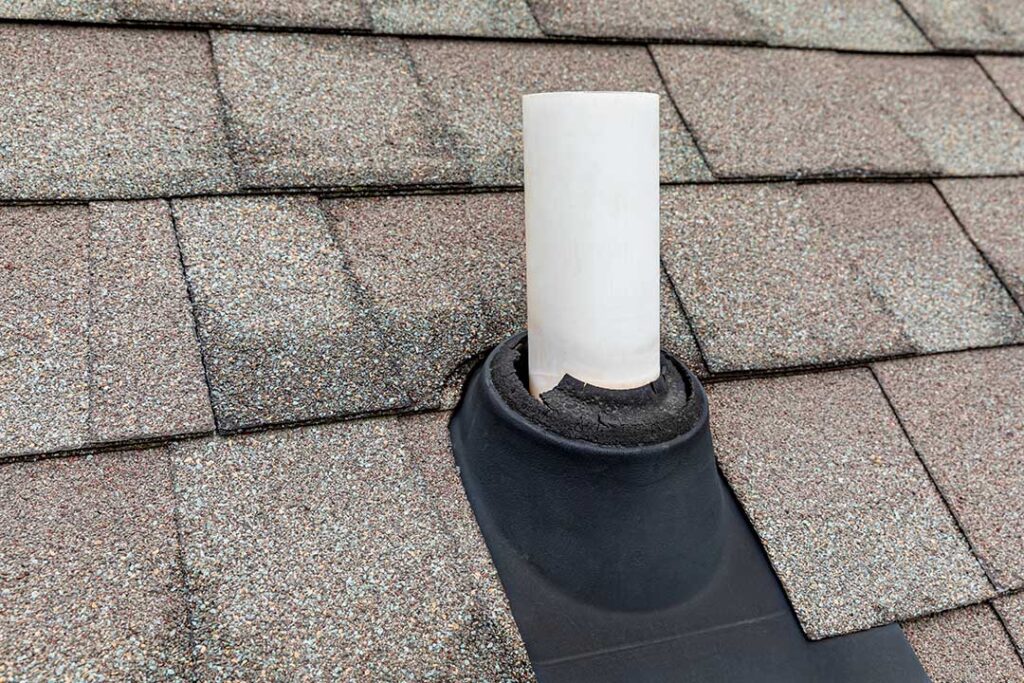
A roof can appear sound from the ground while still having trouble around flashing, vents, chimneys, skylights, or roof edges. A short inspection before departure can help reveal warning signs such as:
- Missing, cracked, curled, or loose shingles
- Dark stains or sagging areas on the roof surface
- Damaged metal flashing around roof penetrations
- Granules collecting in gutters or downspouts
- Moss or heavy organic growth holding moisture against roofing materials
- Loose gutters, detached downspouts, or overflowing drainage sections
- Tree limbs resting on or hanging directly over the roof
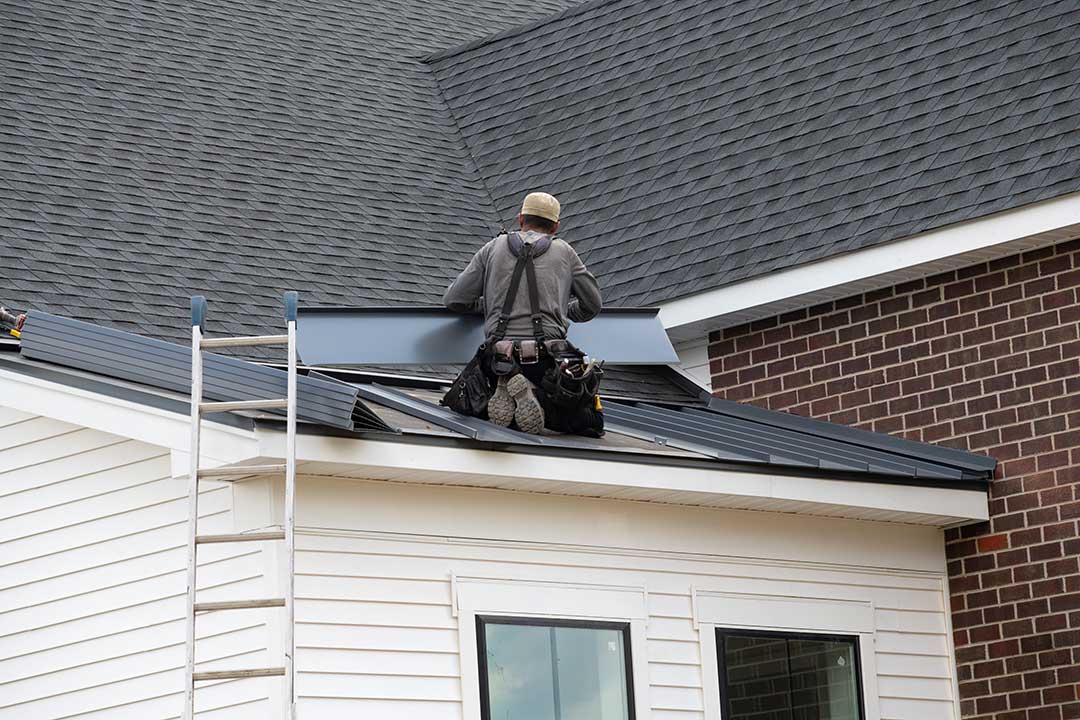
For safety, observations from the ground are usually preferable to climbing onto the roof. Wet shingles, icy surfaces, steep slopes, and hidden weak areas create fall hazards.
How can gutters and downspouts be prepared?
Gutters should be clear enough to move rainwater away from the roof and foundation. Leaves, twigs, pine needles, and roof granules can block water flow, especially during autumn and after strong winds.
Before leaving, check that:
- Gutters are not packed with debris
- Downspouts are firmly attached
- Extensions direct water away from the foundation
- Water is not draining toward walkways, basement walls, or low areas beside the house
- Gutter sections have not pulled away from the fascia
A small blockage can become a larger problem during a heavy storm. Water may back up beneath roof edges, soak fascia boards, or spill near the foundation. In colder weather, trapped water can freeze and contribute to ice buildup along the eaves.
In Greene, changing seasons can create several different roof concerns within the same year. Autumn debris may obstruct drainage, while winter freeze-thaw cycles can place added stress on gutters, flashing, and roofing materials.
Should roof vents, chimneys, and skylights be inspected?
Yes. Roof penetrations are common locations for leaks because they interrupt the continuous surface of the roofing system. Check visible flashing around plumbing vents, chimneys, skylights, and other roof-mounted features.
Look for:
- Bent or missing flashing
- Cracked sealant or exposed gaps
- Rusted metal components
- Water stains on nearby ceilings or upper walls
- Damp insulation or musty attic odors
A ceiling stain does not always appear directly below the source of a leak. Water can travel along rafters, sheathing, insulation, or interior framing before becoming visible. If a stain is new or expanding, it should not be dismissed simply because the area is currently dry.
Chimneys deserve particular attention because masonry joints, chimney caps, flashing, and surrounding roofing materials can all be affected by weather. A damaged chimney cap may also allow rain or snow into the flue and upper structure.
What should be done inside the attic?
The attic can provide useful information about roof conditions before a trip. Inspect it during daylight hours if possible, using a flashlight to look at the underside of the roof sheathing and areas around vents.
Warning signs include:
- Water marks or dark discoloration
- Damp insulation
- Frost buildup during cold weather
- Condensation on nails or roof decking
- Daylight visible through areas that should be sealed
- Damaged or compressed insulation
- Strong musty smells
Proper attic ventilation helps control moisture, but ventilation openings should not be blocked by insulation or debris. Bathroom and kitchen exhaust ducts should discharge outdoors rather than into the attic. Moist household air entering a cold attic can condense on roof components and contribute to mold, wood deterioration, or reduced insulation performance.
If the home will be vacant during cold weather, keeping the indoor temperature at a reasonable level can help reduce the risk of frozen plumbing. A roof inspection cannot prevent every winter problem, so the attic should be considered part of the larger moisture and weather-protection system.
How do trees and branches affect an empty home?
Trees near the house should be checked before departure, especially after periods of wind, heavy rain, or wet snow. Dead limbs, split branches, and branches rubbing against shingles can damage the roof or block gutters.
Branches may also:
- Scratch or loosen roofing materials
- Strike the roof during a storm
- Drop leaves and seeds into drainage systems
- Provide a path for animals to reach roof edges or attic vents
- Increase moisture retention where foliage rests on the roof
Do not attempt to remove large, elevated, or partially broken limbs from a roof. The combination of unstable branches, ladders, and roofing surfaces can create serious injury risks.
What storm damage should be addressed before vacation?
Visible storm damage should be evaluated before leaving if it includes exposed underlayment, missing shingles, damaged flashing, a puncture, a sagging roof area, or active water entry. Temporary measures may limit additional damage, but coverings or patches are not always reliable during extended rain or wind.
Photographing suspicious areas before departure can create a useful record. Images of the roof from the ground, interior stains, attic conditions, and gutter damage may help compare conditions after returning.
If water is actively entering the home, place containers under drips only when doing so is safe. Keep away from wet electrical fixtures, ceiling areas that are bulging, and sections where structural damage may be present. Hazardous conditions may require qualified assistance before the property is left unattended.
What winter precautions matter for homes in Greene?
A winter vacation requires additional planning. Snow and ice can conceal roof damage, block drainage, and make inspections unsafe. Before leaving, check whether gutters, downspouts, roof edges, and attic ventilation are functioning properly.
Avoid assuming that a heavy snow load is automatically dangerous or that removing snow is always necessary. Snow removal from a roof can damage shingles and create fall hazards if performed incorrectly. Concerns are more serious when snow is unevenly distributed, the roof is visibly sagging, doors or windows suddenly bind, or unusual cracking sounds occur.
During freezing weather, maintain reasonable heat in the home and consider how water supply lines are protected. If the property will be vacant for an extended period, shutting off the main water supply may reduce the consequences of a pipe failure, but the decision depends on the home’s plumbing, heating system, and winterization plan.
How can someone monitor the roof while away?
A trusted person checking the property after severe weather can identify problems that would otherwise remain unnoticed. The inspection should include the attic, ceilings, basement or upper floors, gutters, and visible roof edges.
Useful information to leave behind includes:
- The location of the main water shutoff
- Heating system instructions
- A way to report leaks or unusual noises
- The expected travel dates
- Instructions for checking during heavy rain or snow
- Any known roof or gutter concerns
Smart sensors may provide alerts for temperature, water, or humidity, but they do not replace a physical inspection. A sensor can notify someone that conditions changed without identifying whether the source is a plumbing leak, roof leak, condensation problem, or equipment failure.
What should happen after returning?
After a major storm, inspect ceilings, upper walls, attic areas, and floors near exterior walls. Look for new stains, damp insulation, fallen debris, loose gutters, or water around windows and roof penetrations.
Do not assume that a roof is unaffected simply because there is no indoor leak. Some damage remains hidden until the next rainfall or freeze-thaw cycle. Prompt attention to visible changes can reduce the chance that a minor roof problem becomes interior water damage.
A pre-vacation roof check is most effective when combined with routine maintenance throughout the year. Clear drainage paths, sound flashing, secure roof materials, controlled attic moisture, and safe tree conditions all help a home remain protected while residents are away.
