
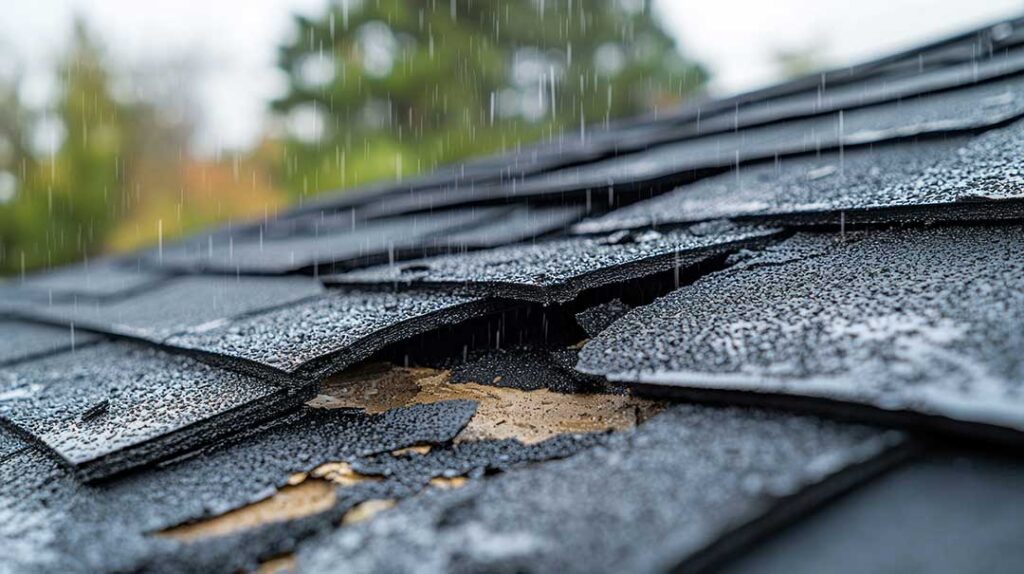
Roof warranties can appear straightforward until a leak, missing shingle, or premature wear raises the question: “Is this covered?” For homeowners in Greene, NY, assessing coverage means reviewing the actual warranty documents, identifying the cause of the problem, and separating material protection from installation-related responsibility.
A warranty does not guarantee that a roof will never fail. It usually applies only to specific defects, during a defined period, and under stated conditions.
What types of roof warranties exist?
Most roof warranty questions involve two separate forms of protection: a manufacturer’s warranty and a workmanship warranty.
A manufacturer’s warranty generally covers defects in roofing materials, such as shingles that fail unusually early because of a manufacturing problem. The manufacturer may offer different levels of coverage, including limited protection, prorated reimbursement, or replacement materials.
A workmanship warranty concerns installation. It may cover problems caused by improper fastening, poor flashing installation, inadequate ventilation work, or other installation errors. This coverage comes from the company or individual responsible for installing the roof, not from the shingle manufacturer.
These warranties may overlap, but they are not interchangeable. A defective shingle and a flashing mistake can both cause water intrusion, yet each may fall under a different warranty.
Where can the warranty terms be found?
The warranty terms may be located in several documents rather than one complete packet. Review:
- The original roofing contract
- The manufacturer’s warranty certificate or registration record
- Product packaging or material documentation
- Invoices showing installation dates
- Any written workmanship guarantee
- Transfer paperwork from a previous owner
- Records of repairs, inspections, or maintenance
The roofing contract often identifies the materials used, installation scope, ventilation work, flashing details, and any exclusions. If the paperwork only says “new roof” without listing the product, installer, or warranty terms, determining coverage may be more difficult.
The installation date matters because warranty periods are usually measured from that date. A roof that is 12 years old may have a different coverage status than one installed 10 years ago, even if the visible condition appears similar.
What does a typical warranty cover?
Coverage depends on the exact document, but material warranties commonly address premature failure caused by manufacturing defects. Some may provide full replacement during an initial period and reduced protection later. Others may cover only the roofing materials and not the labor required to remove or reinstall them.
A workmanship warranty may address installation defects discovered within a stated time. It might include correction of a leaking area if the leak is traced to the original installation, but it may exclude damage caused by later repairs, alterations, severe weather, or poor maintenance.
A warranty generally does not cover every form of roof damage. Common exclusions include:
- Wind, hail, falling branches, and other storm damage
- Damage from animals, foot traffic, or improper maintenance
- Structural movement or settling
- Condensation caused by indoor moisture
- Ice dams or snow-related damage
- Mold, algae, or cosmetic discoloration
- Damage caused by additions, satellite equipment, solar equipment, or other alterations
- Problems caused by a poorly designed or deteriorated supporting structure
In a community that experiences winter snow, freeze-thaw cycles, strong winds, and changing moisture conditions, the cause of damage is especially significant. A cracked seal around flashing may be related to installation, while torn shingles after a wind event may be treated as storm damage instead.
Does a roof warranty cover leaks?
A leak may be covered, but the presence of water inside the building does not automatically establish warranty coverage.
Water can enter through damaged shingles, flashing, valleys, chimneys, skylights, ventilation openings, or roof edges. It can also appear indoors far from the actual entry point because water travels along decking, framing, insulation, or finished surfaces.
Before deciding whether a warranty applies, the responsible party usually needs to identify:
- Where the water entered
- What condition caused the entry
- Whether the condition resulted from a material defect or installation error
- Whether the damage developed after the warranty began
- Whether an exclusion applies
- Whether maintenance or later work changed the original roof system
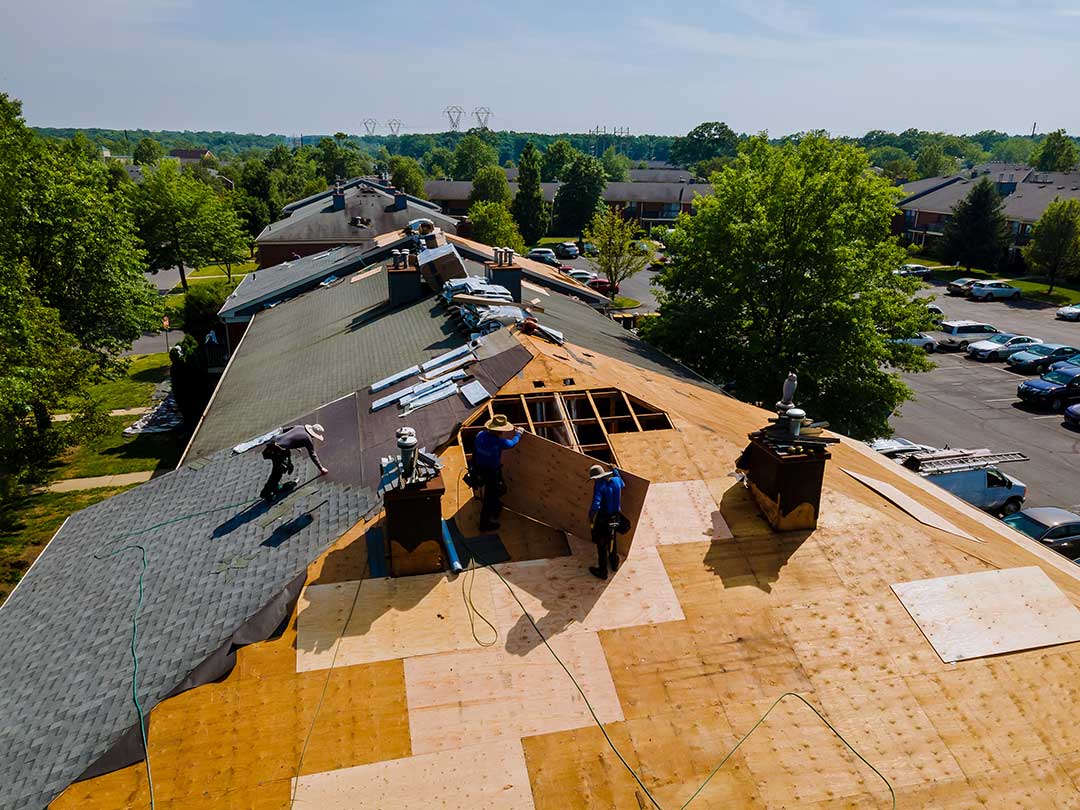
Temporary protection may be needed if water is actively entering the building. Waiting for a warranty decision does not eliminate the need to prevent additional interior damage. However, permanent repairs or removal of materials should be documented carefully because extensive changes can make the original cause harder to evaluate.
How do maintenance and ventilation affect coverage?
Many warranties require reasonable maintenance. This does not mean a homeowner must constantly service the roof, but it may mean keeping drainage paths clear, addressing visible damage, maintaining related flashing, and avoiding conditions that allow water to remain trapped.
Ventilation can also affect warranty questions. Excessive attic moisture, condensation, and inadequate airflow may damage roof components without a defect in the shingles themselves. In winter, warm moist air entering a cold attic can contribute to frost, damp insulation, mold growth, and deterioration of roof decking.
Check whether the warranty contains requirements for attic ventilation, underlayment, flashing, fasteners, or installation methods. A warranty may be limited or denied if the roof was modified in a way that conflicts with those requirements.
Does changing property ownership cancel the warranty?
Not necessarily. Some warranties may transfer to a later owner, while others permit only one transfer or require written notice within a particular period. Certain enhanced warranties may not transfer at all.
A buyer or seller should look for:
- Transfer deadlines
- Required forms or registration
- Fees, if any
- Whether the warranty becomes prorated after transfer
- Whether workmanship coverage transfers along with material coverage
- Whether the original installation records are required
A house sale does not automatically prove that warranty protection remains active. Transfer terms should be confirmed in writing, especially when the roof is still relatively new.
How is a roof warranty different from homeowners insurance?
A warranty generally addresses defects in materials or installation. Homeowners insurance typically addresses sudden, accidental damage caused by covered events, subject to the policy’s terms, deductible, exclusions, and claim procedures.
For example, a manufacturing defect may be a warranty issue, while damage from a covered windstorm may be an insurance issue. A roof can also have both conditions at once, such as older shingles that later sustain storm damage. The applicable paperwork should be reviewed before assuming that one type of protection applies.
Insurance and warranty claims should not be treated as identical. They use different definitions, documentation standards, and decision processes.
What records help support a warranty review?
Clear records make it easier to establish the roof’s age, materials, maintenance history, and cause of damage. Useful documentation includes dated photographs, repair invoices, inspection reports, weather information, warranty certificates, and written descriptions of when the problem first appeared.
Photograph the affected area before temporary work begins, if it is safe to do so. Include both close-up details and wider views showing the roof slope, flashing, gutters, attic, or interior staining. Keep damaged components when practical, since discarded materials may make evaluation more difficult.
Avoid making statements that assume the cause before it has been examined. “Water staining appeared below the rear roof slope after heavy rain” is more useful than “the shingles failed,” unless the failure has already been established.
What should be checked before relying on a warranty?
Read the exclusions, deadlines, transfer rules, maintenance requirements, and repair procedures rather than relying on a sales summary or verbal explanation. Confirm whether the document covers labor, disposal, interior damage, flashing, ventilation, and related components.
Also verify who is responsible for reviewing the claim. The manufacturer may handle material defects, while installation concerns may need to be directed to the original installer. If the original installer is no longer available, the material warranty may still exist, but workmanship coverage may be difficult to enforce.
When roof conditions create a fall hazard, active water entry, exposed electrical components, or structural concerns, safety takes priority over preserving the roof for inspection. Documentation should be gathered where possible, but hazardous areas should not be accessed casually.
