
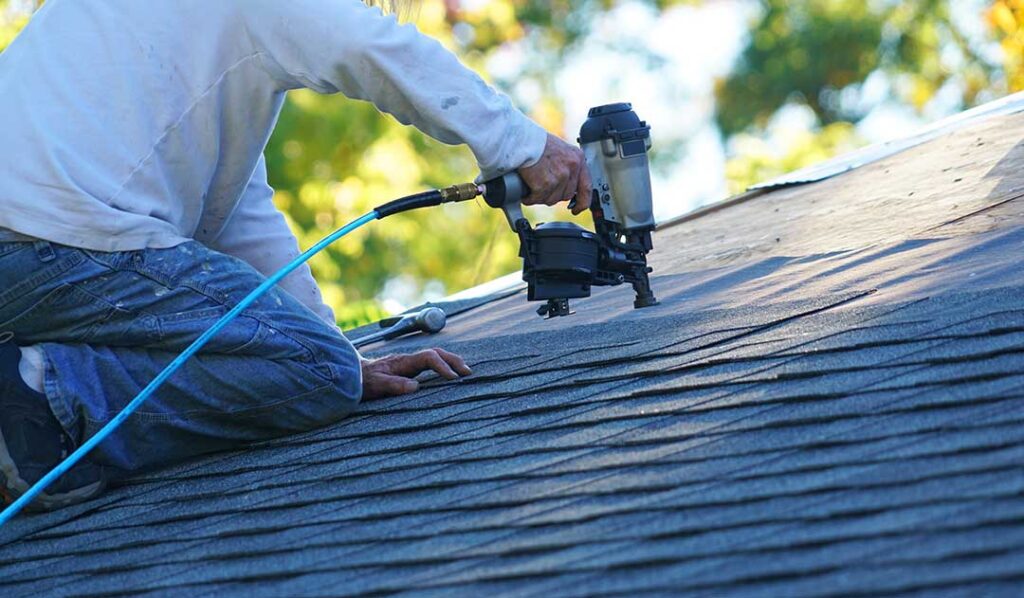
Renovations can protect a home’s value and comfort, but construction activity can also damage shingles, flashing, gutters, attic ventilation, and interior ceilings. In Greene, NY, where projects may face snow, wind, rain, freeze-thaw cycles, and changing seasonal conditions, roof protection should be planned before materials arrive or work begins.
How can a roof be protected before renovation work starts?
The best protection begins with a written plan for access, materials, weather, and temporary coverings. A roof should not be treated as a convenient storage area or a general work platform.
Before construction begins, identify:
- Where ladders, scaffolding, lifts, and debris containers will be placed
- Which roof areas workers may need to access
- Where building materials will be delivered and stored
- How unfinished walls, roof openings, and skylights will be covered
- Who will inspect the roof after severe weather or an unexpected delay
Photographs of the roof, gutters, siding, attic, and ceilings can document existing conditions. This is useful if a leak or crack appears later and it is unclear whether the problem existed before construction.
A basic roof inspection should look for loose or missing shingles, exposed fasteners, deteriorated flashing, clogged gutters, soft roof decking, and signs of previous leaks. Existing problems should be addressed before renovation work adds foot traffic or vibration.
Can construction materials be stored on a roof?
Roofing materials, lumber, tools, and demolition debris should generally be kept off the roof unless a qualified construction plan specifically accounts for their weight and placement. Concentrated loads can damage shingles, bend flashing, stress roof framing, or deflect roof decking.
Even lightweight materials can cause problems if they slide, blow away, or scrape the surface. Metal trim, loose boards, buckets, and tools may puncture shingles or damage protective coatings.
Materials stored on the ground should be placed on stable, level surfaces away from drainage paths. Do not block downspouts, foundation drainage areas, basement windows, or access routes needed during an emergency.
If materials must be temporarily placed on a low-slope roof or another roof surface, protective boards and proper load distribution may be necessary. That decision should be based on the roof’s construction, condition, slope, and structural capacity rather than convenience.
How should ladders and scaffolding be placed near shingles?
Ladders should rest on stable ground and be positioned so they do not crush gutters, scrape siding, or bear directly on fragile roof edges. A ladder leaned against a gutter can pull the gutter away from the fascia and create a drainage problem.
Scaffolding should be installed according to the manufacturer’s instructions and kept clear of roof drainage areas. Adjustable feet, planks, braces, and tie-ins must not press against shingles or flashing in a way that causes permanent damage.
Workers should avoid stepping on brittle, curled, cracked, or cold shingles. Asphalt shingles can become more vulnerable in low temperatures, while hot summer surfaces may soften and scuff under foot traffic. If roof access is unavoidable, designated walk paths and protective equipment can reduce wear.
Never place ladders or scaffolding over skylights, roof windows, or areas with uncertain structural support. These surfaces may not be designed to support concentrated weight.
What is the safest way to protect a roof from falling debris?
The roof should be shielded from falling tools, siding pieces, roofing fragments, branches, and demolition debris. Protective measures may include temporary plywood panels, debris netting, tarps, or covered walkways, depending on the type of work.
Protection should not be fastened through shingles or flashing without a plan for sealing the penetrations. Nails, screws, and staples driven into the roof can become leak points. Temporary coverings need to be secured against wind while allowing water to drain away from the building.
Do not place a tarp flat over a roof and assume the problem is solved. A poorly installed tarp can collect water, trap moisture, tear in the wind, or direct runoff toward walls and roof penetrations. It can also conceal damage that should be inspected.
Any temporary roof covering should be checked after heavy rain, strong wind, freezing rain, and snow. A covering that shifts by only a few inches may expose an opening or send water behind flashing.
How can renovations prevent roof leaks?
Most renovation-related leaks occur at transitions and penetrations rather than in the middle of an undisturbed roof. Chimneys, plumbing vents, skylights, dormers, valleys, roof-to-wall intersections, and new additions require careful waterproofing.
During a project, the roof should be left exposed only for the shortest practical period. If roof sheathing or underlayment is removed, the exposed area should be covered before rain or overnight moisture arrives.
Temporary water protection should extend beyond the opening and direct water downslope. Covering only the center of an opening may allow runoff to enter at the upper edge or sides.
Common mistakes include:
- Cutting through flashing without replacing it properly
- Leaving exposed roof decking overnight
- Covering a vent or intake opening unintentionally
- Allowing tarps to drain toward a wall
- Using caulk as a substitute for missing flashing
- Installing siding or trim before roof-to-wall waterproofing is complete

Sealants can deteriorate from sunlight, temperature changes, and movement. They are useful as part of a properly designed detail but should not be relied upon as the only defense against water intrusion.
How do weather conditions in Greene affect renovation planning?
Weather can change quickly during spring and fall, while winter work brings additional concerns involving snow, ice, frozen materials, and short daylight hours. Summer thunderstorms may arrive after a project appears safely covered.
Renovation schedules should include time for securing the site before rain or wind. Before leaving for the day, workers should verify that:
- Roof openings are covered and fastened
- Loose materials are weighted or removed
- Gutters and downspouts remain open
- Temporary flashing is secure
- Interior ceilings below the work area show no new dampness
- Snow and ice have not accumulated against vulnerable roof edges
Cold temperatures can affect the flexibility and adhesion of roofing materials. Wet or icy surfaces also increase fall risk. Snow should not be piled against roof penetrations, vents, siding, or low sections of a roof where melting water could refreeze.
What should homeowners check each day during renovation?
A brief daily inspection can identify problems before they spread. From the ground, look for displaced coverings, sagging tarps, loose shingles, damaged gutters, and debris near downspouts.
Inside the home, inspect ceilings, upper-wall corners, attic insulation, and areas around chimneys or skylights. A musty smell, darkened wood, damp insulation, peeling paint, or a new stain may indicate moisture even when active dripping is not visible.
After a storm, avoid climbing onto the roof to investigate. Use binoculars from the ground when possible, and check interior areas for signs of water entry. Roof surfaces may be slippery, unstable, or weakened by construction openings.
If water is actively entering the home, move furniture and belongings away from the affected area, place a container under drips, and document the location. Electrical fixtures near water should not be touched. Roof access, temporary repairs, and structural concerns may require a qualified person because fall and collapse hazards can be difficult to recognize.
How should the roof be checked after renovations are complete?
The final inspection should cover more than visible shingles. Check that flashing is intact, penetrations are sealed, gutters are reattached correctly, and downspouts discharge away from the foundation.
Remove all nails, screws, metal scraps, packaging, and sharp debris from the roof and gutters. A single fastener left beneath foot traffic or runoff can create a puncture later.
Also inspect attic ventilation. Renovation materials can accidentally cover soffit vents, ridge vents, gable vents, or other openings. Blocked ventilation can contribute to moisture buildup, winter condensation, and premature deterioration of roofing materials.
After the first substantial rainfall, inspect ceilings and attic spaces again. Some leaks appear only when wind pushes water beneath flashing or when runoff reaches a newly altered roof intersection. Early detection is easier to manage than damage discovered months later.
