
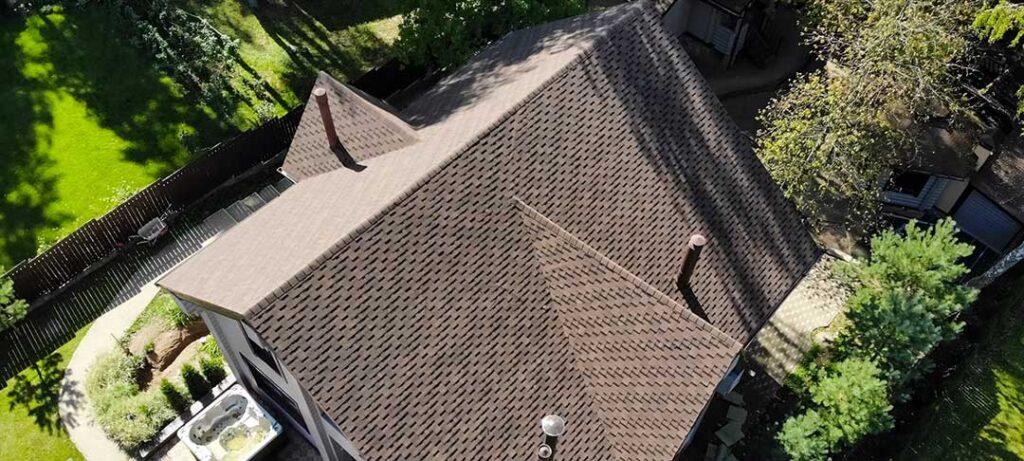
Solar panels can work well on homes in Greene, NY, but the roof should be evaluated before the panels are installed. Roof age, structural condition, snow exposure, shading, drainage, and future repair access all affect whether a rooftop system is a sensible choice.
Is the roof ready for solar panels?
A roof should generally have several dependable years of service remaining before panels are added. Solar equipment can last for decades, while asphalt shingles may need replacement sooner. Installing panels on an aging roof can create an avoidable problem: the array may need to be removed and reinstalled when the roof is replaced.
Before installation, look for:
- Curling, cracked, brittle, or missing shingles
- Leaks, water stains, or soft decking
- Sagging roof lines or damaged rafters
- Rusted flashing around chimneys, vents, or roof edges
- Repeated ice-dam or snow-related leakage
- Moss or algae that has affected the roofing material
- Previous repairs that appear temporary or incomplete
A roof that is structurally sound but nearing the end of its useful life may be better repaired or replaced first. The timing depends on the roofing material, installation quality, attic conditions, and local weather exposure.
Can an existing roof support the added weight?
Most sound residential roofs can be designed to support solar panels and their mounting equipment, but that should not be assumed. The roof structure must account for the weight of the panels, rails, brackets, wiring, and snow loads.
Homes in the community may experience substantial winter snow, freeze-thaw cycles, wind, and occasional ice buildup. Those conditions make attachment details especially important. A properly designed system transfers loads through appropriate mounting points rather than relying only on the surface roofing material.
The evaluation may include:
- Rafter or truss spacing and condition
- Roof sheathing thickness and damage
- Existing snow-load requirements
- The location of mounting points
- Whether older framing has been altered
- The condition of areas around penetrations
Solar panels do not usually cause a roof to fail simply because they are present. Problems are more often associated with inadequate structural review, poor attachment, water intrusion, or installation over an already-damaged roof.
Where should panels be placed?
The most productive roof area is usually the section with the least shade and a useful slope. Roof orientation matters, but it is not the only factor. A roof that faces somewhat away from the ideal direction may still produce useful electricity if it receives consistent sunlight.
Trees, nearby buildings, dormers, chimneys, plumbing vents, and roof valleys can cast shadows across the array. Even partial shading may reduce production, depending on the system design.
In Greene, seasonal changes deserve attention. Trees that appear harmless in summer may block low winter sunlight after leaves fall. Snow-covered branches can also shade panels during periods when daylight is already limited.
A roof assessment should consider:
- Morning and afternoon shade
- Seasonal tree growth
- Roof sections separated by dormers or vents
- Safe clearance from ridges, eaves, valleys, and roof edges
- Access needed for firefighters and future maintenance
- Whether snow sliding from panels could affect walkways, doors, or lower roofs
A roof does not need to be perfectly south-facing to be considered. The full year-round pattern of sunlight is more useful than judging the roof from a single visit.
How do snow and ice affect rooftop solar?
Snow can temporarily reduce or stop electricity production, but panels typically receive some benefit from their sloped surface and dark color. Sunlight can warm the panels, and snow may slide or melt as conditions change. The amount of lost production depends on storm frequency, roof pitch, temperature, panel angle, and how quickly snow clears.
Snow should not be scraped from panels with ordinary tools. Shovels, roof rakes, or improvised equipment can scratch the panel surface, damage wiring, or create a fall hazard. Climbing onto a snowy or icy roof is particularly dangerous.
The more significant roof concern is often water management. Meltwater must continue to drain properly around mounting hardware, flashing, valleys, and eaves. Ice dams can form when heat escapes through the attic and melts snow unevenly. Panels do not automatically cause ice dams, but they may complicate access to certain roof areas if a problem develops.
Good attic insulation, air sealing, and ventilation can help reduce conditions that contribute to ice dams. These improvements should be considered separately from the solar installation because they also protect the roof and improve winter comfort.
Will solar panels cause roof leaks?
Solar panels do not have to cause leaks, but rooftop installations create new penetrations that must be sealed correctly. Mounting points should be placed into appropriate structural members, and flashing should direct water around each attachment.
Roof leaks may develop later if:
- Fasteners are placed incorrectly
- Flashing is damaged or poorly fitted
- Sealants are used as the only long-term defense
- Mounts are installed over deteriorated shingles
- Wiring penetrations are not properly protected
- Future roof work disturbs the system
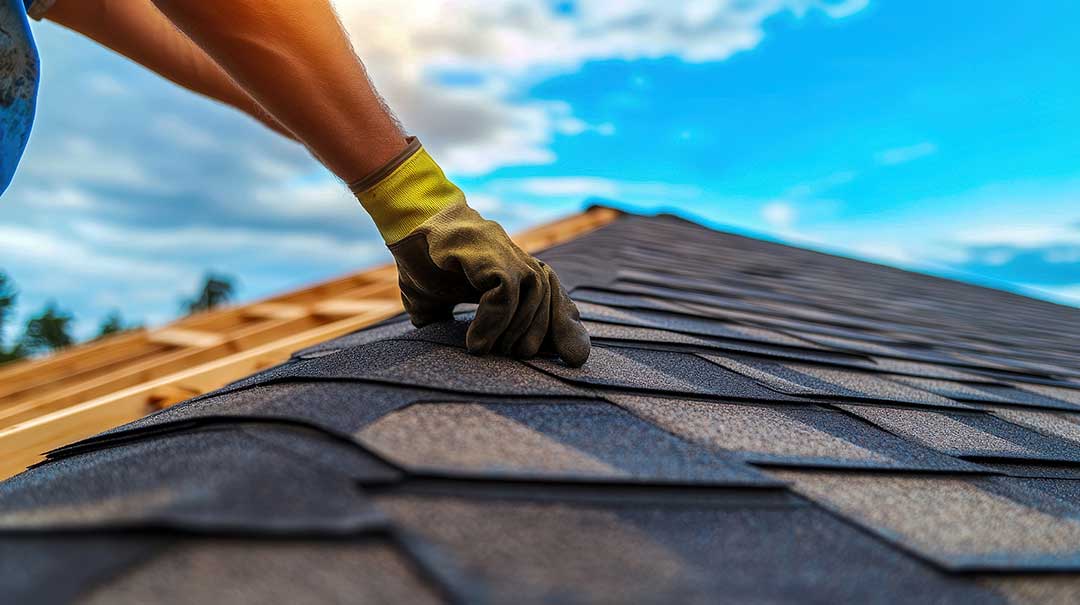
A roof-mounted system should be treated as part of the building envelope, not as an object simply placed on top of the shingles. The quality of the flashing and attachment details matters as much as the panels themselves.
Homeowners should also understand which party is responsible if water enters around a mounting point. Warranty documents may separate coverage for the panels, electrical equipment, workmanship, and roof damage. Keeping installation records and photographs can be useful if questions arise later.
What happens when the roof needs repairs?
Solar panels may need to be removed temporarily if shingles, sheathing, flashing, or structural components beneath the array require repair. Removal and reinstallation can add cost and extend the project timeline.
Before proceeding, consider the likely future of the roof:
- Is the roof near the end of its expected service life?
- Are repairs already being postponed?
- Will future skylight, chimney, or ventilation work affect the array?
- Is the roof layout likely to change?
- Are there areas that should remain accessible?
A smaller array on a newer roof may be more practical than covering every available section of an older one. Ground-mounted systems or other locations may also be worth considering when the roof has heavy shade, limited usable area, or structural concerns.
Are permits and inspections required?
Rooftop solar work generally involves building, electrical, and fire-safety requirements in New York. Local permitting and inspection procedures apply, and the system must preserve required roof access and pathways.
The exact process can depend on the type of property, system size, mounting method, and local rules. Permit review commonly addresses structural capacity, electrical connections, equipment placement, emergency access, and wind or snow resistance.
This is not merely paperwork. Inspections help confirm that the system is attached securely, wired safely, and installed in a way that does not interfere with emergency operations or the roof’s weather protection.
How should homeowners compare solar proposals?
A useful comparison goes beyond panel wattage or projected annual production. Review the roof assumptions behind each proposal.
Questions worth asking include:
- How was shading evaluated throughout the year?
- What snow and wind loads were used?
- Which rafters or trusses will receive the attachments?
- How will penetrations be flashed?
- What roof repairs are recommended before installation?
- How will future roof replacement be handled?
- Who is responsible for damage caused by installation or removal?
- What inspections and approvals are included?
- Are battery equipment, wiring, and roof work treated separately?
The right decision depends on both energy goals and roof condition. A rooftop array can be a durable improvement when the structure, drainage, access, and winter conditions are addressed together. It becomes much less predictable when the roof is treated as an afterthought.
