
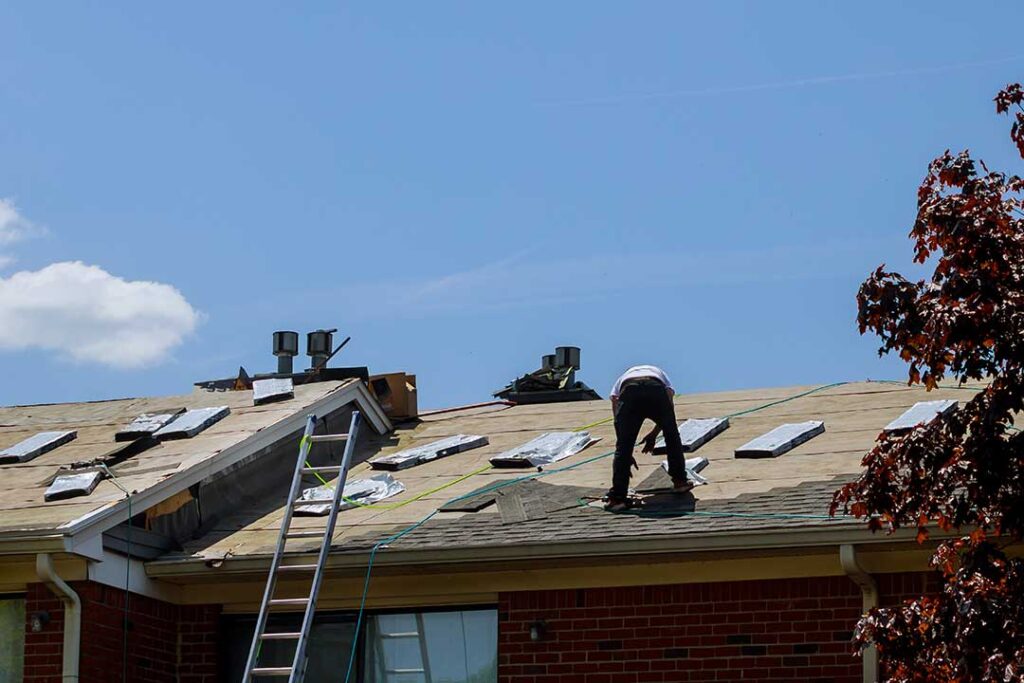
A roofing contractor affects more than the appearance of a house. The quality of the installation, ventilation, flashing, and cleanup can influence how well a roof handles heavy rain, snow, ice, wind, and seasonal temperature changes. For residents of Greene, NY, choosing carefully means looking beyond a low price and evaluating experience, documentation, communication, and the proposed roofing system.
What should be checked before hiring a roofing contractor?
Before comparing prices, verify that the contractor is properly identified, insured, experienced with the type of work required, and willing to provide a written scope of work. A reliable contractor should be able to explain who will perform the work, what materials will be used, and how unexpected problems will be handled.
Useful questions include:
- How long has the company operated under its current name?
- Is the work performed by employees, subcontractors, or a combination?
- Can the contractor provide proof of liability insurance and workers’ compensation coverage?
- Who will supervise the project?
- What types of roofs and repairs are commonly completed?
- How will damaged decking, flashing, or ventilation problems be documented?
- What is included in cleanup and disposal?
A contractor’s answers should be specific rather than vague. Statements such as “everything is covered” are less useful than a written description of labor, materials, ventilation, flashing, permits if applicable, debris removal, and warranty terms.
Why does local roofing experience matter?
Roofing experience in the area can be useful because local homes and weather conditions create recurring challenges. Greene, NY experiences winter conditions that may include snow accumulation, freeze-thaw cycles, ice buildup, strong wind, and spring rainfall. These conditions can expose weaknesses in flashing, roof edges, valleys, attic ventilation, and drainage.
Local experience does not automatically prove quality, but it may help a contractor recognize conditions such as:
- Older roof designs with multiple layers of shingles
- Steep or irregular roof sections
- Ice-related damage near eaves and valleys
- Moss or organic growth in shaded areas
- Attic moisture caused by poor ventilation
- Roofing details around chimneys, dormers, skylights, and additions
- Drainage concerns where roof runoff reaches foundations or walkways
A contractor should inspect the entire roof system instead of focusing only on missing shingles. A roof can appear serviceable from the ground while having damaged underlayment, deteriorated flashing, wet insulation, or inadequate ventilation.
How many roofing estimates should a homeowner obtain?
For a major replacement, comparing at least two or three detailed written proposals is generally reasonable. The purpose is not simply to find the lowest number. Comparing proposals helps reveal differences in materials, preparation, labor, warranty coverage, and assumptions about the condition of the roof deck.
A useful comparison should place similar items side by side:
- Shingle type, quality, and color
- Underlayment and ice-barrier materials
- Flashing replacement or reuse
- Ventilation improvements
- Removal of existing roofing layers
- Decking replacement pricing
- Starter shingles, ridge caps, and edge materials
- Permits or inspection responsibilities
- Cleanup and disposal
- Payment schedule
- Warranty coverage and exclusions
A proposal that is much lower than the others may leave out necessary work or use different materials. A higher price is not automatically better either. The written scope provides more meaningful information than the total alone.
What should a roofing contract include?
A roofing contract should describe the work clearly enough that a homeowner can understand what will happen without relying on verbal promises. It should identify the contractor, property, approximate start conditions, payment terms, materials, and procedures for changes.
The agreement should address what happens if hidden damage is found after shingles are removed. For example, it may explain the price per sheet of replacement decking, how approval will be obtained, and whether photographs will be provided. This prevents a disagreement when repairs are needed to create a sound surface.
The contract should also state:
- Whether existing roofing will be removed
- How many layers are included in the removal
- Where materials and equipment will be placed
- How landscaping, siding, windows, and outdoor items will be protected
- How nails and debris will be collected
- Whether the crew will use magnetic sweeping
- How weather delays will be handled
- What paperwork will be provided after completion

Avoid signing a blank, incomplete, or heavily altered agreement. Any verbal change should be added to the written contract before the work proceeds.
Which roofing materials are appropriate for local conditions?
The right material depends on roof slope, structural condition, budget, appearance, and maintenance expectations. Asphalt shingles are common because they are adaptable to many residential roof designs, but their performance still depends heavily on installation quality.
A contractor should explain how the selected material handles winter weather, wind exposure, ventilation requirements, and roof geometry. Metal roofing, architectural shingles, and other systems each have different installation details. No material eliminates the need for proper flashing, ventilation, drainage, and fastening.
Homeowners should also ask whether the existing roof structure can support the selected system. Roofing materials are not interchangeable in every situation, and adding a new layer over an old one may hide problems rather than solve them.
How can a homeowner recognize warning signs?
Warning signs often appear before work begins. Be cautious if a contractor:
- Refuses to provide insurance information
- Pressures the homeowner to sign immediately
- Requests a large cash payment before materials or work are documented
- Provides only a verbal price
- Cannot identify the exact materials proposed
- Claims every roof problem can be solved with coating or sealant
- Offers to skip necessary flashing or ventilation work to reduce cost
- Avoids explaining who will be on the property
- Uses storm damage as pressure for an immediate decision
- Promises that insurance will pay without reviewing the policy
A trustworthy contractor should allow reasonable time to review the agreement. Roofing is a significant household expense, and urgency should be based on actual safety or water-intrusion concerns rather than sales pressure.
What should happen during the roofing project?
Before work begins, remove fragile items from walls and ceilings if possible. Roofing creates vibration, and loose interior objects may shift. Outdoor furniture, decorations, vehicles, and equipment should be moved away from the work area.
During the project, the homeowner should be able to ask who is responsible for protecting landscaping, managing debris, and securing materials during changing weather. If rain is expected, the roof should not be left exposed without appropriate temporary protection.
After installation, the contractor should review the finished work and explain any remaining items. Look for orderly shingle lines, properly installed flashing, sealed penetrations, clear ventilation openings, and thorough cleanup. A few stray nails or scraps can remain hidden near driveways, gardens, and lawn edges, so cleanup should be checked carefully.
When is a roofing inspection especially important?
An inspection is warranted after visible leaks, wind damage, fallen branches, persistent ice buildup, or signs of sagging. Water stains may appear far from the actual entry point, and a small ceiling mark does not always indicate a minor roof problem.
Prompt attention is especially important when the roof has exposed underlayment, missing sections, active dripping, damaged structural materials, or electrical fixtures near water. Walking on a steep, wet, icy, or damaged roof creates unnecessary risk. Roof evaluation and repairs involving hazardous conditions should be handled by qualified workers with appropriate safety equipment.
Choosing a roofing contractor is ultimately a process of verifying details. A clear inspection, comparable written proposals, appropriate insurance, realistic scheduling, and a complete contract provide stronger protection than a quick promise or unusually low price.
