
What should be documented after roof damage?
After a storm, falling branch, ice event, or sudden leak, document the roof and related interior damage before cleaning up or making permanent repairs. Clear photographs, videos, written notes, receipts, and a timeline can help show what happened, when it happened, and what was damaged.
In Greene, NY, roof problems may follow wind, heavy rain, snow, ice buildup, freeze-thaw cycles, or fallen limbs. Damage is not always visible from the ground, and a small opening in roofing can lead to stained ceilings, wet insulation, or damaged belongings inside the home.
The first priority is safety. Do not climb onto a wet, icy, steep, or visibly unstable roof. Documentation from the ground is usually safer than attempting a close-up inspection.
What should be photographed first?
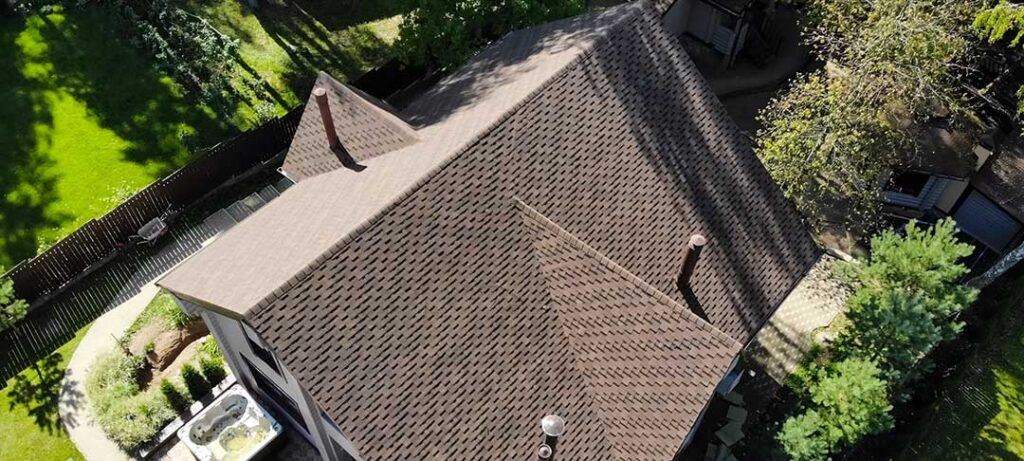
Begin with wide photographs that show the entire property and the roof’s relationship to nearby trees, structures, and the surrounding ground. Then take closer photographs of visible damage.
Useful photographs may include:
- Missing, lifted, cracked, curled, or displaced roofing materials
- Damaged flashing around chimneys, vents, skylights, and roof edges
- Broken gutters, downspouts, soffits, fascia, or exterior trim
- Fallen branches, tree limbs, or other objects that struck the roof
- Water stains, bubbling paint, sagging ceilings, and damp walls
- Wet insulation, damaged flooring, or water-damaged personal property
- Debris on the roof, in gutters, or around the foundation
- Temporary coverings or other emergency measures used to limit additional damage
Take several angles of each area. A close-up may show a torn shingle, while a wider photograph helps establish where that damage is located. Include an object for scale only when it can be done safely and without touching or moving the damaged area.
Photographs should be clear, well lit, and dated if the device provides that information. Keep the original files rather than relying only on screenshots or edited copies.
How can a video make the record more useful?
A short, continuous video can connect individual photographs into a clearer record. Slowly walk around the exterior from ground level, narrating the date, visible conditions, and location of each damaged area.
For example, a recording might identify damage on the rear roof slope, a broken gutter near a corner, or water staining in a particular bedroom. The narration does not need to determine the cause or estimate the repair cost. It should describe observable facts.
Interior videos can show the path of water from a ceiling stain to a wall, floor, or damaged belongings. Open cabinets and closets if water may have reached them, but avoid disturbing materials that could be inspected later.
Do not use a drone, ladder, or roof access solely to obtain better evidence if doing so creates a fall hazard.
What written information should accompany the photos?
Pictures are stronger when paired with a simple written timeline. Record:
- The date and approximate time the damage was discovered
- Weather or other conditions noticed before the discovery
- Where the first signs of damage appeared
- Whether water was actively entering the home
- Steps taken to protect the property
- Names and contact information of people involved in the claim
- Claim numbers, inspection dates, and important conversations
- Items removed, discarded, dried, covered, or moved because of safety concerns
Use factual descriptions rather than conclusions. “Three shingles were found on the ground below the rear roof slope” is more useful than “the entire roof was destroyed.” Avoid guessing the age of damage or stating that a particular event caused it unless that fact is documented.
Keep a copy of every form, email, photograph, video, estimate, receipt, and message in one organized folder. A digital backup stored separately from the home can protect the records if the property becomes inaccessible.
Should damage be repaired before the insurance inspection?
Emergency action may be necessary to prevent additional damage or protect health and safety, but permanent repairs generally should wait until the insurer has had a reasonable opportunity to inspect the loss. The policy may contain specific requirements, so review the policy and ask what documentation is needed.
Examples of reasonable temporary measures may include:
- Placing a tarp or other temporary covering over an opening, when it can be done safely
- Removing standing water
- Moving furniture away from an active leak
- Placing containers under dripping areas
- Removing wet materials that could create a health hazard
- Boarding or securing a broken opening
Photograph the condition before and after temporary work. Keep receipts for materials, emergency labor, drying services, temporary storage, or other necessary expenses. Note who performed the work, when it occurred, and what problem it addressed.
Do not throw away damaged belongings immediately unless they present a health or safety risk. If disposal is necessary, photograph the item from several angles, record its description and approximate age, and keep any identifying labels, serial numbers, or purchase records.
How should interior belongings be documented?
Roof damage can affect more than the structure. Make a room-by-room inventory of damaged personal property, including furniture, electronics, clothing, tools, decorations, appliances, and other items.
For each item, record:
- A clear description
- The quantity
- Approximate purchase date or age
- Original price, if known
- Estimated replacement cost
- Brand, model, or serial number when available
- Photos, receipts, warranties, or account records
If receipts are missing, check emails, bank statements, card statements, photographs taken before the loss, or saved product information. A home inventory created before a storm is especially useful, but it is still possible to reconstruct one afterward by reviewing family photographs and memories room by room.
Separate structural damage from personal property damage. A damaged ceiling, wet insulation, and broken attic vent relate to the building, while a soaked rug, damaged furniture, or ruined clothing relates to contents. Keeping those categories separate makes the record easier to review.
What should be reported to the insurance company?
Notify the insurance company or agent promptly after discovering damage, even if the full extent is not yet known. Ask what forms, deadlines, photographs, receipts, estimates, and proof-of-loss documents are required under the policy.
During the initial report, provide:
- The policyholder’s name and policy number
- The property address
- The date the damage was discovered
- A brief description of what occurred
- Whether the home is safe and usable
- Whether temporary repairs have been made
- Whether personal belongings or additional living arrangements are involved
Reporting damage does not necessarily mean every part of the loss will be covered. Coverage depends on the policy, exclusions, deductibles, limits, cause of loss, and details such as whether the damage resulted from a covered event or from long-term wear and deterioration.
Flooding is also treated differently from many roof leaks. Standard homeowners policies commonly exclude flood damage, while water entering through a storm-damaged roof may be evaluated under different policy provisions. The policy language controls.
What common documentation mistakes should be avoided?
Several mistakes can make a claim record incomplete:
- Photographing only the most obvious damage
- Cleaning up before taking pictures or video
- Making permanent repairs before inspection
- Failing to record temporary repair expenses
- Deleting original files after sending edited images
- Guessing about the cause, age, or cost of damage
- Forgetting detached structures, gutters, siding, attic areas, or landscaping
- Describing damaged belongings without recording their quantity or condition
- Relying only on a verbal conversation without saving follow-up notes
A careful record does not guarantee coverage or a particular payment. It does, however, give the insurer a clearer account of the loss and helps the property owner track what happened from the first discovery through inspection, temporary protection, and final repair.
