
Animal activity can damage a roof gradually, sometimes before there is any visible leak. Birds, squirrels, bats, raccoons, mice, and insects may enter through small openings, disturb roofing materials, block drainage paths, or create moisture problems inside the roof assembly.
For households in Greene, NY, seasonal changes make these issues easier to overlook. Cold weather can drive animals toward sheltered spaces, while spring nesting and summer activity may expose weak areas that were not obvious during the previous season.
Which animals commonly affect roofs?
The most frequent roof-related problems come from animals seeking shelter, food, nesting space, or access between indoor and outdoor areas. Common examples include:
- Squirrels, which may chew through roof edges, fascia, soffits, or vents.
- Raccoons, which can enlarge openings and damage shingles, flashing, insulation, and attic components.
- Birds, which may nest beneath loose shingles, near vents, or around chimney areas.
- Bats, which can enter through very small gaps near roof intersections, vents, and trim.
- Mice and other small rodents, which may use roof openings as entry points into attics and wall cavities.
- Wasps, carpenter bees, and other insects, which can occupy deteriorated wood around eaves, trim, or roof penetrations.
Not every animal seen on a roof has caused damage. The more useful question is whether there are signs of entry, nesting, chewing, moisture, or repeated activity.
How can animals create roof leaks?
Animals can contribute to leaks in several ways, but the most common cause is damage around an opening or roof penetration. A small hole near a vent, chimney, plumbing pipe, or roof edge may allow both animals and rainwater to enter.
Squirrels and rodents may chew flexible coverings, screens, trim, or wood. Larger animals can loosen shingles or bend flashing while climbing or trying to enlarge an entry point. Birds may push nesting material beneath overlapping roofing materials, creating pathways where wind-driven rain can travel.
A roof does not have to look severely damaged to leak. Water may enter above the visible ceiling stain and move along rafters, insulation, or other structural components before appearing indoors. This is why a ceiling mark may be located several feet away from the original exterior opening.
What signs suggest animal activity in the roof?
Some evidence is visible from the ground, while other clues appear inside the attic or upper floors. Possible warning signs include:
- Shingles that appear lifted, displaced, or torn near the roof edge.
- Damaged soffits, fascia boards, vents, or chimney flashing.
- Gaps around roof penetrations or areas where screening has been pulled loose.
- Droppings, nesting material, feathers, fur, or unusual odors in an attic.
- Scratching, scampering, fluttering, or vocal sounds above ceilings.
- Daylight visible through roof sheathing or attic-side openings.
- Damp insulation, water staining, mold-like growth, or rotted wood.
- Repeated animal activity around the same eave, vent, or roof junction.
A single sound does not always identify the animal. Noises that occur during daylight may suggest one type of activity, while movement at night may suggest another, but identification is best based on several signs rather than timing alone.
Why are roof edges and vents especially vulnerable?
Roof edges and ventilation openings are frequent entry points because they combine shelter, air movement, and accessible construction details. Eaves, soffits, ridge vents, gable vents, and roof-mounted exhaust vents may be protected by screens, but those screens can loosen, corrode, or become damaged.
The edge of a roof is also exposed to wind, ice, snow, and repeated temperature changes. In Greene, winter conditions can make small defects more difficult to see and may worsen loose materials through freeze-thaw movement. Once an opening forms, animals may enlarge it, and water can use the same pathway.
Ventilation openings should not be sealed in a way that blocks necessary airflow. A roof needs properly designed intake and exhaust ventilation to help manage heat and moisture. Repairs should preserve the intended ventilation system while preventing animal entry.
Can animals damage roof structure, not just shingles?
Yes. Long-term animal activity can affect wood framing, roof sheathing, insulation, wiring, and interior finishes. Droppings and nesting material can hold moisture against wood. Persistent moisture may contribute to decay, while chewing can damage electrical wiring or protective coverings.
A nest can also obstruct a vent. Blocked ventilation may increase attic moisture or heat buildup, depending on the roof design and season. This does not mean every nest causes structural damage, but repeated or extended activity deserves attention.
Structural concerns are more likely when there is sagging, soft wood, extensive staining, persistent moisture, or evidence that an opening has remained unrepaired for a long period. Areas that are difficult to reach or unsafe to inspect should not be entered casually.
Should an animal be removed before a roof opening is repaired?
Usually, yes. Sealing an opening while an animal is inside can trap it, separate young from a parent, or force the animal into the living area. Some species may also be protected by wildlife rules, and certain times of year can make removal more complicated.
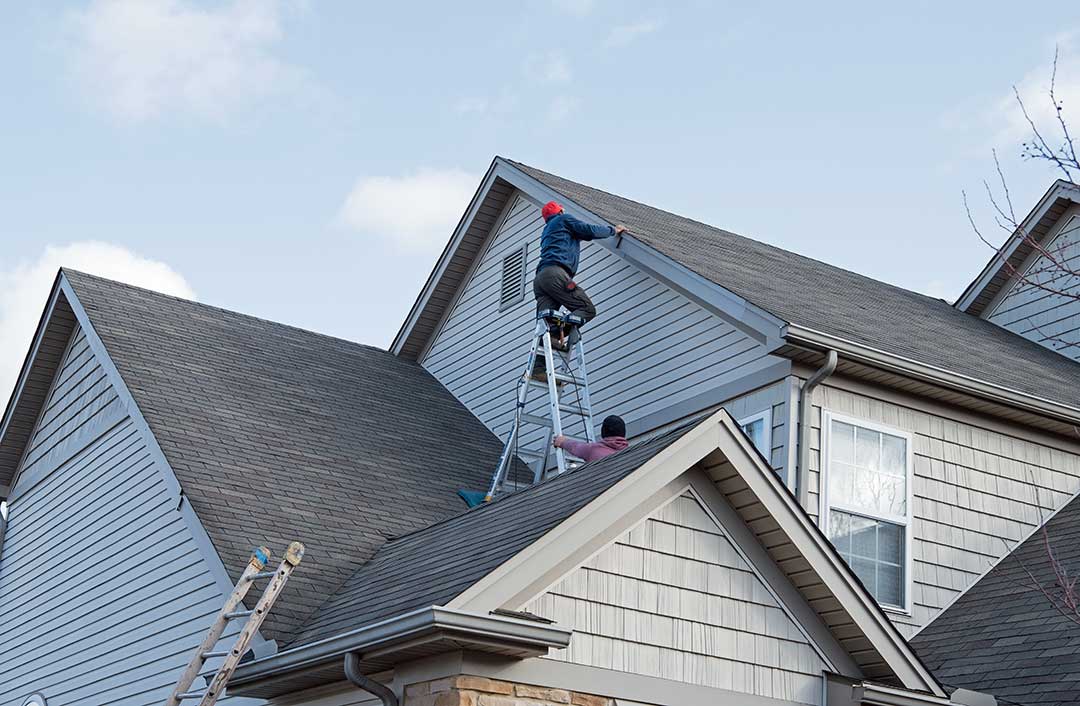
The safest approach depends on the species, location, and whether young are present. Before closing an opening, observe whether animals are entering or leaving and look for secondary openings. A one-way exit device may sometimes be appropriate, but it must be used carefully and removed after the entry problem has ended.
Repairs should be completed only after confirming that animals are out and that no dependent young remain inside. If there is a risk of bites, contaminated material, unstable roofing, or contact with electrical wiring, the situation becomes a safety matter rather than a routine maintenance task.
How should animal-related roof damage be cleaned?
Animal waste and nesting materials should be handled cautiously. Dry sweeping or vacuuming contaminated material can spread particles through the air. Attics may also contain insulation disturbed by nesting, urine, or droppings.
Basic precautions include:
- Keeping children and pets away from contaminated areas.
- Avoiding direct contact with droppings, nesting material, and dead animals.
- Wearing suitable protective equipment if limited cleaning is unavoidable.
- Dampening material before removal when appropriate to reduce airborne dust.
- Washing hands and cleaning tools after handling affected materials.
- Seeking medical guidance after a bite, scratch, or other direct exposure.
A roof repair can be incomplete if contaminated insulation, wet sheathing, or damaged wiring remains unaddressed.
What routine checks help prevent animal-related damage?
A visual roof and attic check twice a year can identify small problems before animals enlarge them. Spring and early fall are practical times to look for changes, although severe weather or unusual sounds may justify an earlier inspection.
From the ground, check for:
- Missing, curled, or displaced shingles.
- Openings along eaves, gables, and roof intersections.
- Loose vent covers or damaged screens.
- Chewed trim, hanging material, or nesting debris.
- Trees or branches that provide easy access to the roof.
Inside the attic, look for daylight, dampness, odors, droppings, nesting material, and disturbed insulation. Do not walk directly on attic insulation or unsupported ceiling surfaces. Use stable access equipment, maintain clear footing, and avoid inspections during electrical, structural, or wildlife hazards.
Animal activity is often a symptom of a small weakness in the roof system. Addressing the entry point, restoring damaged materials, preserving ventilation, and checking for moisture or contamination can help prevent a minor opening from becoming a larger roof-integrity problem.
