
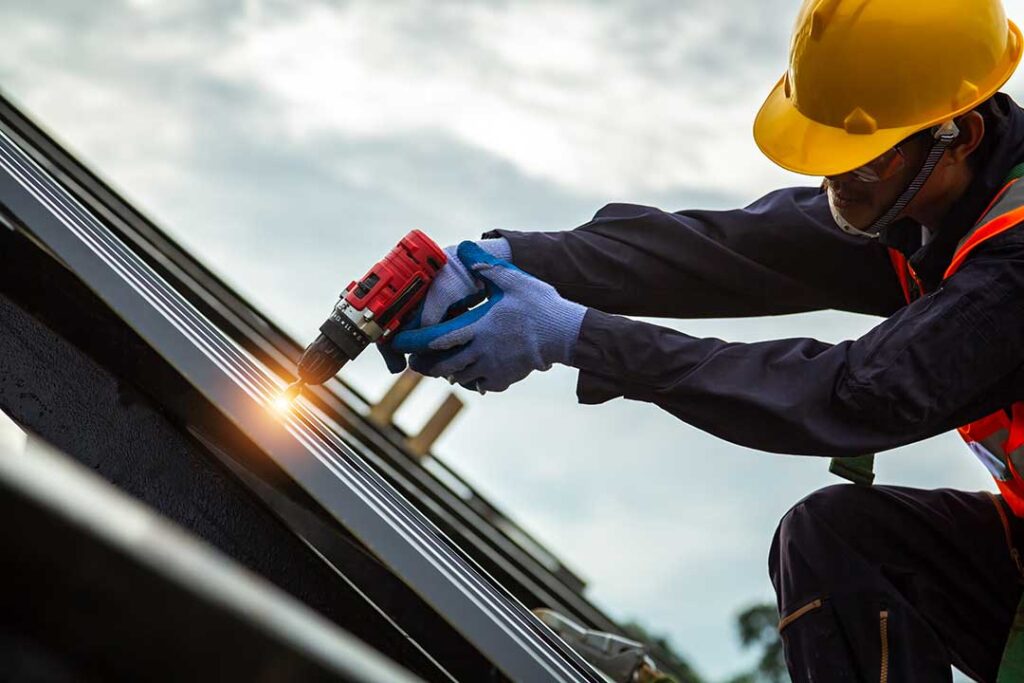
Replacing a roof creates more waste than shingles alone. Underlayment, flashing, vents, ice-and-water barrier, nails, wood scraps, and damaged decking may all need to be sorted before anything is taken away. In Greene, NY, the most practical approach is to separate materials, keep hazardous items out of ordinary construction debris, and confirm acceptance rules before loading a vehicle.
Can asphalt shingles be recycled?
Yes, some asphalt shingles can be recycled, but they generally must be delivered to a facility equipped and authorized to handle roofing materials. Recovered shingles may be processed for use in asphalt pavement or other construction applications.
Recycling is more likely when the shingles are:
- Asphalt-based
- Kept separate from household garbage
- Free of excessive wood, plastic, insulation, soil, and other debris
- Not mixed with asbestos-containing materials
- Delivered according to the facility’s load and packaging requirements
Not every transfer station accepts shingles for recycling. Some locations receive them as construction and demolition debris but send them for disposal rather than material recovery. The word “accepted” does not always mean “recycled,” so residents may want to ask whether the material is being recovered, processed, or landfilled.
What roofing materials can usually be separated?
A roofing tear-off should be treated as a mixed construction-waste project, not as ordinary curbside recycling. Sorting materials before transport can reduce disposal problems and may make recycling possible.
Common categories include:
- Asphalt shingles and roofing paper
- Metal flashing, drip edge, valleys, and vents
- Aluminum or steel gutters
- Clean wood decking, trim, and blocking
- Plastic or rubber roof membranes
- Insulation
- Nails and other fasteners
- Clay, concrete, or slate roofing pieces
- Damaged or rotten sheathing
Clean metal is often easier to recycle than mixed roofing waste. Separate metal flashing, gutters, and vents from shingles when practical. Small quantities of nails can remain attached to shingles, but loose nails should be handled carefully and placed in a rigid container.
Roofing paper may be accepted with asphalt shingles at some construction-and-demolition facilities. It should not automatically be placed with household paper recycling.
What should never be mixed with roofing debris?
Hazardous or questionable materials require special handling. Do not mix them into a shingle load simply because they came from the same roof.
Potential problem materials include:
- Suspected asbestos-containing shingles, cement sheets, or roofing felts
- Liquid coatings, tar, adhesives, and sealants
- Propane cylinders or fuel containers
- Fluorescent fixtures or other electrical components
- Lead-containing materials
- Mold-contaminated insulation
- Chemical containers with residue
- Batteries and electronic equipment
Older roofing products can be difficult to identify by appearance alone. If a material may contain asbestos, do not cut, break, sweep, or grind it. Keep people away from the area and obtain guidance from the appropriate waste or environmental authority before moving it. Asbestos-containing waste is not handled like ordinary asphalt shingles.
How should shingles be prepared for transport?
Preparation starts at the roof or work area. Use tarps or a lined trailer to keep loose granules, nails, and scraps from spreading. Avoid placing roofing debris in thin household garbage bags, which can tear and create sharp hazards.
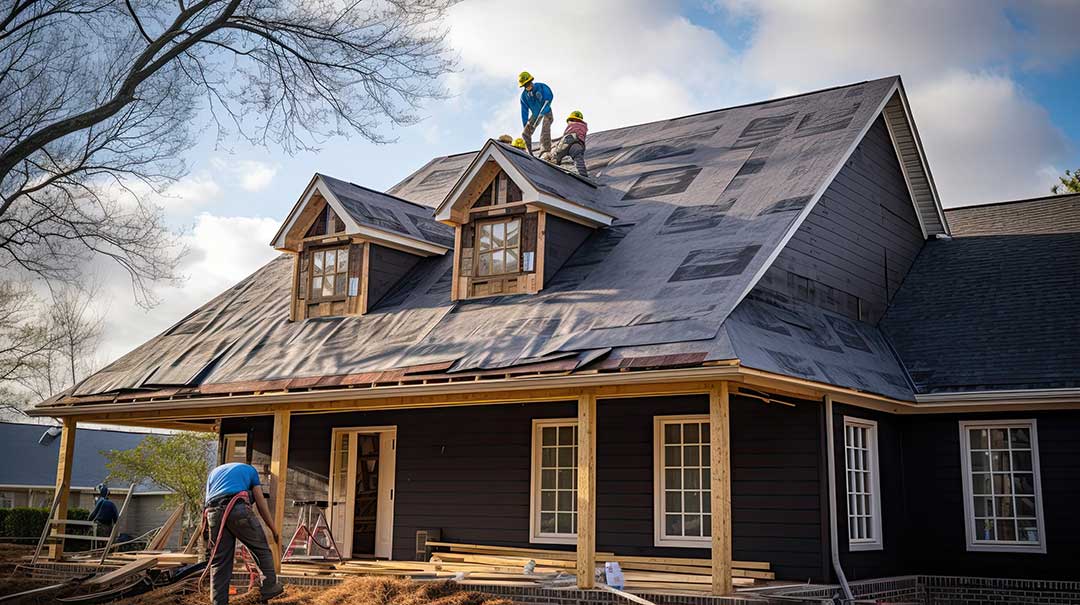
For a small repair, residents can:
1. Remove loose nails and sharp metal pieces where safe.
2. Separate shingles from metal and clean wood.
3. Place shingles in sturdy containers or a secure trailer.
4. Keep the load covered during transport.
5. Prevent rainwater from washing loose granules or debris off the vehicle.
Large tear-offs are heavy. A roof load that appears manageable can exceed the capacity of a pickup, trailer, or utility vehicle. Distribute weight evenly, secure the load, and avoid overloading. Roofing debris can shift during braking, especially on wet roads or during seasonal weather changes.
Where can residents in Greene take old shingles?
Local county transfer stations generally accept construction and demolition debris, and roofing materials may fall into that category. However, rules, charges, hours, load limits, and recycling arrangements can change. Residents should verify current requirements before making a trip.
Ask these specific questions:
- Are asphalt shingles accepted from household projects?
- Are roofing papers accepted with the shingles?
- Must shingles be separated from wood, metal, and garbage?
- Is the material recycled or disposed of as construction waste?
- Are there limits on the amount accepted?
- Is suspected asbestos-containing material prohibited?
- Are there separate rules for commercial or contractor-generated loads?
A household doing a roof repair may have different requirements from a commercial roofing operation. Some facilities also require proof of residency, charge construction-waste rates, or direct vehicles to a particular unloading area.
Can old shingles be reused?
Unused shingles in good condition may be more useful than worn tear-off material. Matching new and old shingles is often difficult, but unopened bundles or clean individual pieces may be suitable for small repairs, shed projects, temporary weather protection, or future maintenance.
Do not reuse shingles that are brittle, curled, heavily granule-worn, contaminated, or damaged by moisture. Roofing products lose flexibility with age, and brittle shingles may crack during installation. Store usable material flat, dry, and protected from sunlight, but do not keep materials that contain unknown chemical contamination.
Metal flashing, copper pieces, gutters, and intact vents may also have reuse value if they are not corroded or damaged. Clean wood from a roof project can sometimes be reused, but painted, treated, glued, or moldy wood may require different disposal handling.
Are roofing materials accepted in curbside recycling?
Usually, no. Asphalt shingles, roofing felt, flashing, insulation, and roofing membranes do not belong in ordinary curbside containers. They can damage sorting equipment, contaminate paper and container loads, and create sharp-object hazards for workers.
Metal roofing pieces may be recyclable through a scrap-metal channel when they are separated and free of excessive attached debris. That does not mean the entire roofing load belongs in a recycling bin. Keep roofing materials out of curbside carts unless the local program specifically lists them as accepted.
What is the most environmentally responsible option?
The preferred order is to reduce, reuse, separate, recycle, and dispose of the remainder properly. A roof replacement may still produce substantial waste, but careful sorting keeps recyclable metal and eligible asphalt material from being mixed with garbage.
For homes in Greene, seasonal conditions make secure storage especially important. Rain, snow, freeze-thaw cycles, and wind can scatter loose shingles and roofing paper or create slippery piles around a work area. Store materials on a stable surface, cover them without allowing water to pool, and keep debris away from storm drains and drainage paths.
The simplest reliable plan is to identify the material types, isolate anything hazardous, separate clean metal and reusable items, and confirm the current rules for construction debris before transport. That preparation prevents rejected loads and makes it more likely that suitable roofing material will be recovered instead of discarded.
