
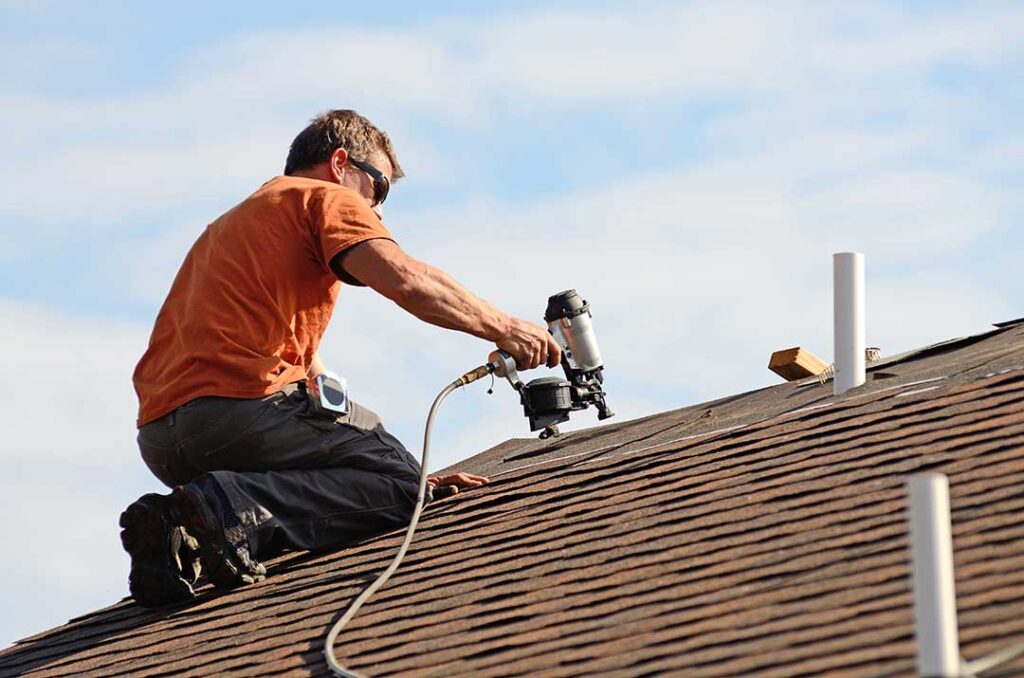
A roof does more than keep rain and snow out. It is part of the home’s moisture-control system, and its condition can affect indoor air quality. In Greene, NY, where homes experience wet weather, winter precipitation, freeze-thaw cycles, and seasonal humidity, a failing roof may contribute to damp insulation, hidden mold growth, and airborne irritants.
Replacing an old roof cannot remove every indoor allergen. However, when the roof is allowing moisture into the building envelope, a properly installed replacement can reduce conditions that support mold, mildew, dust mites, and other irritants.
How can a new roof affect indoor air quality?
A new roof can improve indoor air quality mainly by stopping water intrusion and helping the attic remain dry. Moisture that enters through damaged shingles, flashing, roof penetrations, or deteriorated underlayment can travel into roof decking, insulation, ceilings, and wall cavities.
Damp materials can become a source of:
- Mold spores
- Musty odors
- Decomposing insulation particles
- Increased dust and debris
- Conditions favorable to dust mites
Once these contaminants enter the indoor environment, they may circulate through natural air movement, fans, heating systems, or forced-air ductwork. A roof replacement addresses the source of moisture, although any existing mold or water-damaged material may still require separate attention.
Can roof leaks cause mold and allergy symptoms?
Yes. A roof leak does not automatically mean a home has a mold problem, but repeated or long-lasting dampness creates the conditions mold needs to grow. Mold may develop on roof sheathing, rafters, insulation, drywall, ceiling materials, stored belongings, or other porous surfaces.
People who are sensitive to mold may experience symptoms such as:
- Sneezing or nasal congestion
- Coughing
- Eye, nose, or throat irritation
- Wheezing
- Skin irritation
- Increased asthma symptoms
These symptoms can have many possible causes, including pollen, pets, dust, smoke, and outdoor air pollution. A roof replacement should not be treated as a medical solution. It is a building-maintenance measure that can help remove one potential source of indoor moisture and biological contaminants.
What roof problems are most likely to contribute to indoor allergens?
Several roof conditions deserve attention because they can allow moisture into areas that are difficult to see.
Damaged shingles or roofing panels
Missing, cracked, curled, or deteriorated roofing materials may allow rain and melting snow to reach the underlayment or roof deck. Small leaks can remain hidden until staining appears on a ceiling or wall.
Failed flashing
Flashing protects vulnerable areas around chimneys, sidewalls, valleys, skylights, and roof penetrations. If flashing separates, corrodes, or was improperly installed, water may enter even when the main roof surface appears intact.
Inadequate drainage
Blocked or poorly functioning drainage systems can allow water to back up along roof edges or collect in vulnerable areas. Ice formation during winter can make existing weaknesses worse.
Poor attic ventilation
A roof can be watertight and still have attic moisture problems. Warm, humid air from the living space may enter the attic through gaps around light fixtures, plumbing penetrations, access doors, or ductwork. If that air cannot escape properly, condensation may form on cold roof surfaces.
This is especially relevant during cold weather, when indoor moisture meets a cold roof deck. A replacement project should consider both water shedding and attic airflow rather than treating the roof surface as an isolated component.
Does replacing the roof remove existing mold?
No. Replacing the roof stops or reduces future water entry, but it does not automatically remove mold already present inside the home.
If a leak has affected insulation, drywall, ceiling finishes, or structural wood, those materials should be evaluated based on their condition and the extent of moisture exposure. Porous materials that remain damp or visibly moldy may not be restored simply by drying the roof above them.
A complete moisture-control approach may include:
- Finding and stopping the leak
- Drying affected areas
- Checking attic insulation and roof decking
- Removing materials that cannot be adequately cleaned
- Cleaning hard, salvageable surfaces safely
- Confirming that no continuing moisture source remains
Large areas of mold, hidden growth, extensive water damage, or conditions affecting residents with asthma or immune concerns may require specialized assessment. Disturbing contaminated materials without proper precautions can spread particles through the home.
Can a new roof reduce dust mites?
Indirectly, it may. Dust mites thrive in warm, humid environments and are commonly found in bedding, upholstered furniture, and carpeting. A roof replacement does not eliminate dust mites, but reducing leaks, condensation, and attic moisture can help lower the overall moisture burden in a home.
Indoor humidity should still be managed through normal household practices. Bathroom and kitchen exhaust fans should vent outdoors, clothes dryers should vent outdoors, and indoor humidity should generally remain below 60 percent, with a lower range often preferred for comfort and mold control.
A dehumidifier may be useful in damp areas, but it does not replace roof repairs or proper ventilation.
What should Greene residents check before replacing a roof?
Before work begins, it helps to identify whether the concern is a roof leak, an attic ventilation issue, or a separate indoor air problem. Useful observations include:
- Brown or yellow ceiling stains
- Peeling paint or bubbling drywall
- Musty smells near the attic or upper floors
- Damp or compressed insulation
- Dark discoloration on rafters or roof sheathing
- Frost or condensation on attic surfaces during cold weather
- Repeated symptoms that improve after leaving the house
- Visible daylight around roof penetrations
Water stains do not always appear directly below the leak. Water can travel along rafters, roof decking, insulation, wiring, or framing before reaching the visible interior surface.
The age and design of the home also matter. Older houses may have several layers of repairs, limited attic insulation, blocked ventilation paths, or areas where previous leaks were covered without fully drying the materials.
What roof replacement details support healthier indoor conditions?
A roof replacement is more likely to help indoor air quality when it includes careful moisture and ventilation control. Important details include proper underlayment, secure flashing, effective drainage, sound roof-deck repairs, and ventilation that matches the attic design.
Air sealing also matters. If warm indoor air can leak into the attic, condensation may continue even after new roofing materials are installed. At the same time, sealing a home too tightly without providing appropriate ventilation can trap humidity and indoor pollutants.
A balanced approach addresses:
- Exterior water entry
- Attic air movement
- Air leaks between the home and attic
- Insulation condition
- Bathroom and kitchen exhaust
- Indoor humidity
- Existing water-damaged materials
A new roof is therefore one part of an indoor-air-quality strategy, not a complete substitute for cleaning, ventilation, humidity control, or mold remediation.
When is a roof replacement unlikely to solve allergy problems?
A new roof may have little effect if indoor allergens come primarily from pets, carpeting, dust, pests, outdoor pollen, combustion byproducts, or an HVAC system. It may also have limited value if the roof is replaced but hidden moisture remains in insulation, wall cavities, or ceiling materials.
The clearest benefit occurs when there is evidence that roof-related moisture is contributing to indoor dampness or mold. Addressing that source can make the home drier and reduce the chance that moisture-related allergens will continue to develop.
IMAGE_ALT:
Roof workers replace shingles above a home while dry attic insulation and roof decking are visible below.
