
Shingles rarely curl or crack without a reason. These changes usually reflect age, repeated temperature swings, moisture exposure, installation problems, ventilation issues, or storm damage. Understanding the pattern can help residents in Greene, NY decide whether the roof needs observation, limited repair, or more extensive work.
What do curling and cracking shingles look like?
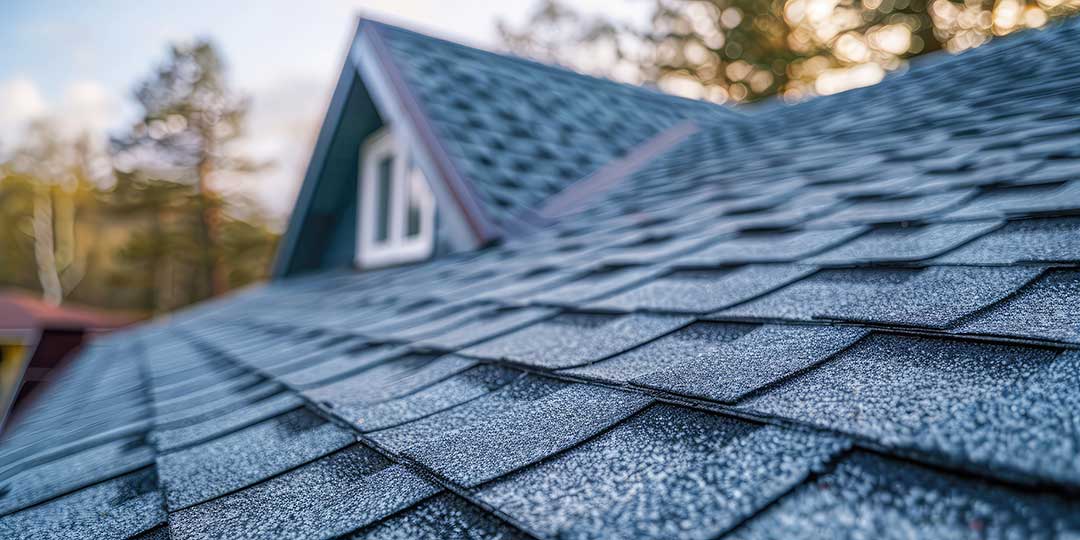
Curling shingles have edges or corners that lift away from the roof surface. The tabs may appear wavy, folded, or bent upward. Curling can occur across an entire roof or only on slopes that receive more sun and weather exposure.
Cracked shingles show splits through the surface or along the tabs. Some cracks run vertically, while others appear as small breaks near the edges. Surface cracking may be difficult to see from the ground, especially on dark or heavily weathered roofing.
Other warning signs may appear at the same time:
- Missing or loose shingle tabs
- Exposed underlayment or roof decking
- Bald spots where protective granules have worn away
- Granules collecting in gutters or at downspout outlets
- Dark streaks, stains, or damp areas in the attic
- Water marks on ceilings or upper walls
- Shingles that slide out of alignment
A few isolated defects do not always mean the entire roof has failed. A widespread pattern usually deserves closer attention.
Why do asphalt shingles curl?
The most common cause is aging. As asphalt shingles lose flexibility, the edges can shrink, lift, and become more vulnerable to wind. Older shingles may also lose the oils and compounds that helped them remain flexible during seasonal changes.
Heat can accelerate this process. Roof surfaces exposed to strong afternoon sun may experience more expansion and contraction than shaded slopes. Poor attic ventilation can add to the problem by allowing excessive heat to remain beneath the roof covering during warm weather.
Improper installation is another possibility. Shingles may curl if they were not fastened correctly, if the adhesive strips did not bond, or if the roof surface was not prepared properly. Installing shingles over an uneven or deteriorated layer can also prevent them from lying flat.
In Greene, seasonal weather adds repeated stress. Freeze-thaw cycles, snow, wind, rain, and occasional rapid temperature changes can gradually weaken older roofing materials. That does not mean every curled shingle is caused by winter weather, but the local climate can make existing weaknesses more noticeable.
What causes shingles to crack?
Cracking usually results from the loss of flexibility in the shingle material. As shingles become brittle, they may split when the roof expands in warm weather or contracts during cold conditions.
There are several types of cracking:
Surface or craze cracking consists of fine lines across the shingle. These may develop as the upper coating ages and shrinks.
Long splits can extend through a shingle tab or along the length of the material. These are more concerning because they may allow wind to lift the shingle or water to move beneath it.
Thermal splitting may occur when repeated expansion and contraction places stress on the shingle. Poor ventilation, strong sun exposure, and aging can increase the likelihood.
Cracks can also follow physical impact. Falling branches, hail, maintenance work, or snow and ice movement may damage individual shingles. If cracks appeared after a known storm, documenting the affected areas can help distinguish weather damage from ordinary aging.
Can curled or cracked shingles be repaired?
Sometimes, but the condition and extent of the damage matter. A small number of damaged shingles may be replaceable if matching material is available and the surrounding shingles remain flexible enough to work with safely.
Repair is less practical when:
- Curling or cracking affects many areas of the roof
- Shingles are brittle and break during handling
- Granule loss is widespread
- The roof is near or beyond its expected service life
- Underlayment or roof decking has also been damaged
- Leaks have continued despite earlier repairs
- Shingles are no longer available in a reasonably close match
Roofing materials change color over time, so a replacement shingle may not blend perfectly with an older roof. A visual mismatch does not necessarily indicate a poor repair, but it can be a sign that the existing roof has weathered significantly.
Do not try to flatten curled shingles with heavy objects or aggressive pressure. This can break the material, damage the adhesive strip, or push water underneath the shingle. Roofing cement may temporarily hold a tab down, but it does not correct underlying aging, poor ventilation, or moisture problems.
How can someone check the condition safely?
A ground-level inspection can reveal useful information without requiring anyone to walk on the roof. Use binoculars to look for lifted edges, missing tabs, exposed dark underlayment, and uneven rows.
From inside the attic, check for:
- Wet or stained wood
- Daylight visible through the roof assembly
- Damp insulation
- Musty odors
- Rust around fasteners
- Condensation on the underside of the roof deck
Inspection from a ladder or roof surface becomes hazardous when shingles are steep, wet, icy, brittle, or covered with moss. Snow and ice can conceal damage and create fall risks. A roof should not be walked on merely to confirm a problem that can be assessed from the ground or attic.
Does curling always mean the roof needs replacement?
No. A few curled shingles may be repairable, particularly when the rest of the roof is in good condition. Replacement becomes more likely when the problem is widespread or combined with age, leaks, granule loss, and brittle material.
The roof’s overall pattern matters more than one defect. For example, one cracked shingle near a tree may point to impact damage. Curling across multiple slopes, however, may suggest general aging, ventilation concerns, or installation-related problems.
It is also useful to compare the roof’s condition with its maintenance history. A roof that has been exposed to repeated storms, heavy snow, falling limbs, or long periods of trapped attic heat may deteriorate sooner than a roof with similar installation dates but better conditions.
What can help prevent future curling and cracking?
Prevention begins with keeping water and heat under control. Useful measures include:
- Keeping gutters and downspouts clear so roof runoff does not back up
- Checking attic insulation and ventilation for obvious deficiencies
- Trimming branches that rub against or overhang the roof
- Avoiding pressure washing or harsh cleaning methods
- Removing leaves and debris that hold moisture against shingles
- Inspecting roof surfaces after major wind, hail, or heavy snow events
- Addressing attic leaks and condensation promptly
Ventilation should not be treated as simply adding more openings. Intake and exhaust openings need to work together, and changes to the attic should not create pathways for rain or snow. In cold weather, proper air movement can help reduce uneven roof temperatures and moisture buildup, but it cannot reverse shingles that have already become brittle.
When is the problem urgent?
Prompt attention is warranted when water is entering the building, several shingles are missing, roof decking is visible, or cracking is accompanied by sagging. Water stains may appear days or weeks after the original roof damage, so a dry ceiling does not always prove that the roof is watertight.
Extra caution is needed after strong wind or heavy snow. Damage may be hidden beneath snow cover or may occur around flashing, valleys, chimneys, and roof edges rather than in the middle of a shingle field.
The safest approach is to document what can be seen from the ground and inside the attic, avoid walking on questionable surfaces, and treat active leaks or structural warning signs as time-sensitive maintenance issues.
