
What does roof underlayment do?
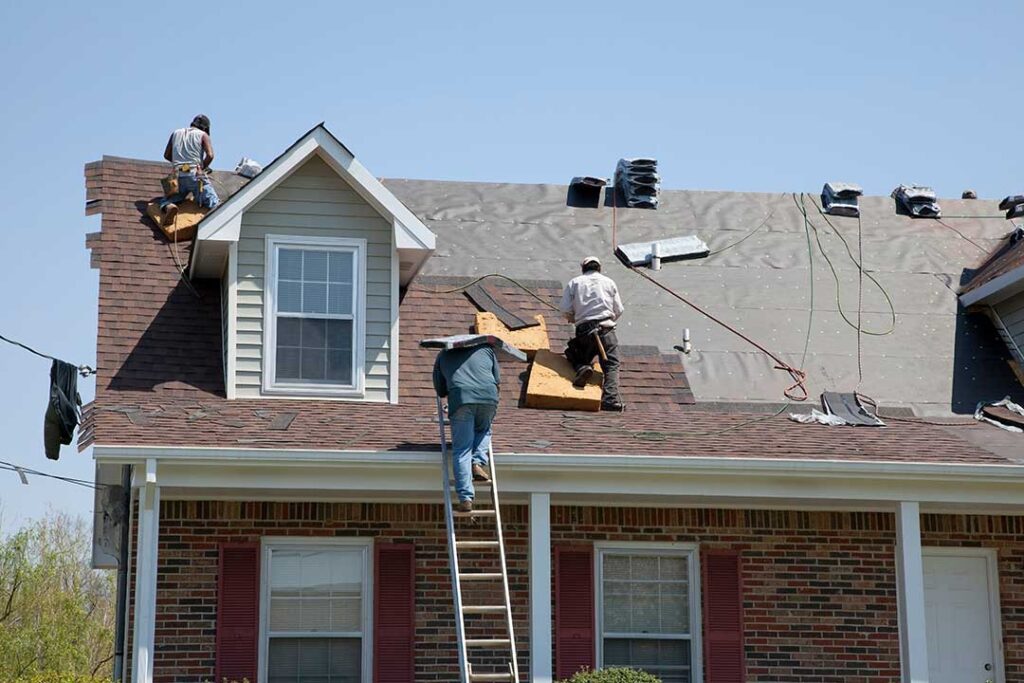
Roof underlayment is a water-resistant layer installed between the roof deck and the visible roofing material. Its main job is to provide a secondary barrier against rain, melting snow, wind-driven moisture, and occasional leaks around roofing details.
Shingles, metal panels, and other roof coverings shed most water, but they are not the only line of defense. Moisture can enter through lifted edges, damaged roofing, fastener openings, valleys, roof penetrations, or wind-driven rain. Underlayment helps limit how far that moisture can travel across the roof deck.
The material is usually installed over plywood or another structural roof sheathing. The finished roofing is then placed above it. Because underlayment is hidden after installation, its condition is often overlooked until the roof covering is removed or a leak develops.
Why is underlayment especially relevant in Greene, NY?
Seasonal weather makes the layer beneath the visible roof covering a meaningful part of a home’s moisture protection. Greene experiences cold winters, periods of snow and ice, spring rain, summer storms, and temperature changes that can cause roofing materials to expand and contract.
Snow and ice can create conditions that test a roof in several ways:
- Wind may push moisture beneath roofing edges.
- Repeated thawing and refreezing can move water into small openings.
- Snow that melts on warmer roof sections may refreeze near colder eaves.
- Heavy rain can expose weak points around chimneys, vents, skylights, and valleys.
Underlayment cannot correct poor drainage, damaged flashing, or inadequate ventilation. It does, however, provide an additional layer of protection when the roof covering is exposed to weather beyond ordinary rainfall.
What are the main types of roof underlayment?
The three broad categories are asphalt-saturated felt, non-bitumen synthetic underlayment, and rubberized asphalt or other self-adhering membranes.
Asphalt-saturated felt has been used for many decades. It is made from a felt base saturated with asphalt, giving it water resistance. Felt can be effective when installed correctly, but it may tear more easily during installation and can wrinkle if exposed for too long before the roof covering is applied.
Synthetic underlayment is made from woven or nonwoven polymer materials. It is generally lighter than traditional felt and often offers greater resistance to tearing and moisture exposure. Some synthetic products have textured surfaces that improve walking traction, although no underlayment should be treated as a substitute for safe fall protection.
Self-adhering membrane has an adhesive backing that bonds to the roof deck. It is commonly used in areas requiring stronger protection, such as eaves, valleys, roof edges, and locations vulnerable to ice-related water backup. These membranes vary in purpose and should not automatically be installed over an entire roof without considering the roof assembly and manufacturer requirements.
The right material depends on the roof design, local conditions, roofing type, slope, exposure time, and applicable building requirements.
Is underlayment the same as ice-and-water protection?
No. Underlayment is a broad category, while ice-and-water protection usually refers to a more strongly adhered, water-resistant membrane used in vulnerable areas.
A standard underlayment may be fastened mechanically and provide general coverage across the roof. An ice-and-water membrane typically seals more tightly around fasteners and is used near eaves, valleys, roof-to-wall intersections, and other locations where water may collect or move sideways.
The required placement can depend on roof slope, local code requirements, roof design, and the type of roofing material. A membrane near the lower roof edge may be particularly useful in cold-weather areas, but its installation must still be compatible with ventilation and drainage details.
Does underlayment stop roof leaks?
Underlayment can slow or limit water intrusion, but it is not a permanent substitute for a sound roof covering. If shingles are missing, flashing is failing, or a roof penetration is not sealed properly, water may eventually reach the underlayment and pass through seams, fastener holes, or damaged areas.
It is also possible for a roof to have intact underlayment and still leak. Water can travel along the roof deck before appearing inside the home, so the visible stain on a ceiling may be several feet away from the actual entry point.
A leak should not be judged only by the condition of the ceiling below it. Moisture may affect insulation, roof sheathing, framing, and interior finishes before the problem becomes obvious.
How long can underlayment remain exposed?
Underlayment is designed to provide temporary protection during roof installation, but exposure limits vary. Sunlight, wind, rain, foot traffic, and temperature changes can weaken or damage exposed material. A roof should not be left unfinished simply because an underlayment layer is present.
Manufacturer instructions specify how long a particular product may remain uncovered. Exposure time can also be affected by seams, fastening patterns, roof pitch, and weather conditions. In Greene, winter temperatures and sudden weather changes may make prolonged exposure especially unsuitable.
Wrinkles, tears, loose edges, open seams, and damaged fastener areas should be addressed before the final roof covering is installed.
What installation details matter most?
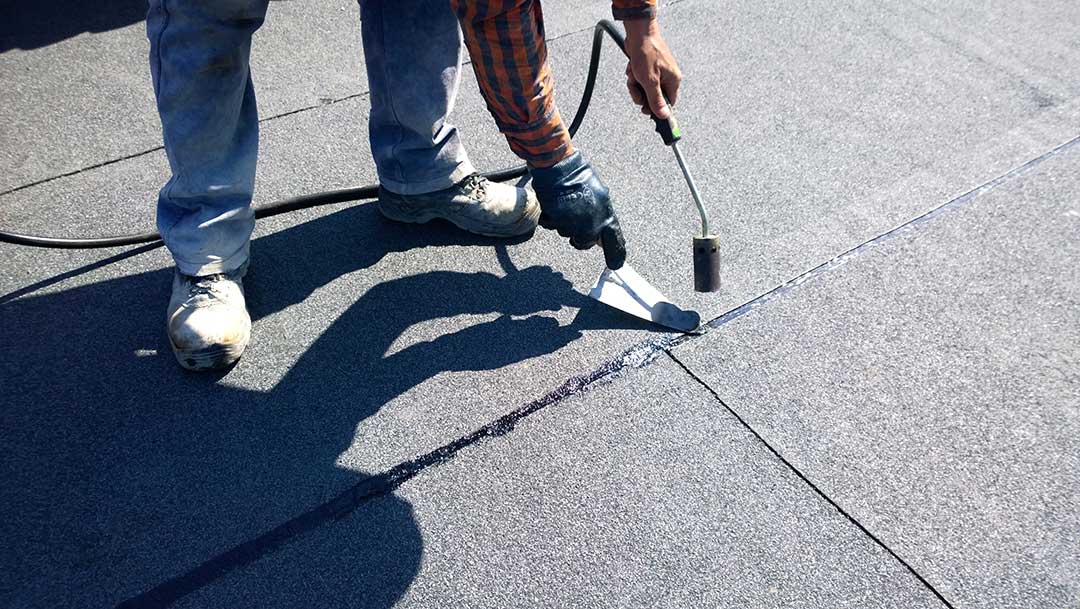
Underlayment works best as part of a complete water-management system. Important details include:
- Proper overlap between courses
- Correct placement around valleys and roof edges
- Secure fastening without excessive tearing
- Careful treatment around vents, chimneys, skylights, and sidewalls
- Compatibility with the chosen roofing material
- Adequate roof ventilation where the design calls for it
- Protection of the roof deck from unnecessary moisture during construction
The roof deck should be reasonably clean and dry before installation. If the sheathing is soft, swollen, delaminated, or visibly decayed, covering it with new underlayment does not restore its structural strength.
Flashing deserves particular attention. Underlayment may help protect areas near flashing, but it cannot replace correctly designed and installed metal or membrane flashing.
Does an older roof always need new underlayment?
Not necessarily, but underlayment is normally evaluated during a roof replacement because much of it is inaccessible once the new roofing is installed. In some limited situations, roofing may be placed over an existing layer, depending on the roofing material, roof condition, local requirements, and the condition of the underlying deck.
If old roofing is removed, the exposed underlayment may reveal damaged sheathing, previous leaks, improper overlaps, or areas where protection is missing. Reusing questionable material can leave hidden weaknesses beneath a new roof.
Roof age alone does not reveal the condition of the underlayment. Its performance depends on the material used, how it was installed, how long it has been exposed to moisture, and whether the roof has experienced storm or ice damage.
What should residents look for after a storm?
After strong wind, heavy rain, or a snow-and-ice event, look for missing or displaced roofing, loose edge materials, damp attic insulation, daylight through the roof deck, and new ceiling stains. Avoid walking on steep, wet, icy, or visibly damaged areas.
Inside the attic, darkened wood, damp insulation, rusted fasteners, or a musty odor may indicate moisture entry. However, the absence of an interior stain does not prove that the roof is dry. Some leaks remain hidden until insulation becomes saturated or the weather produces more water.
Roof underlayment is an unseen component, but it plays a practical role in protecting the roof deck and interior of the home. Understanding its purpose helps homeowners interpret roof inspections, recognize the limits of temporary protection, and ask more precise questions when a roof is repaired or replaced.
