
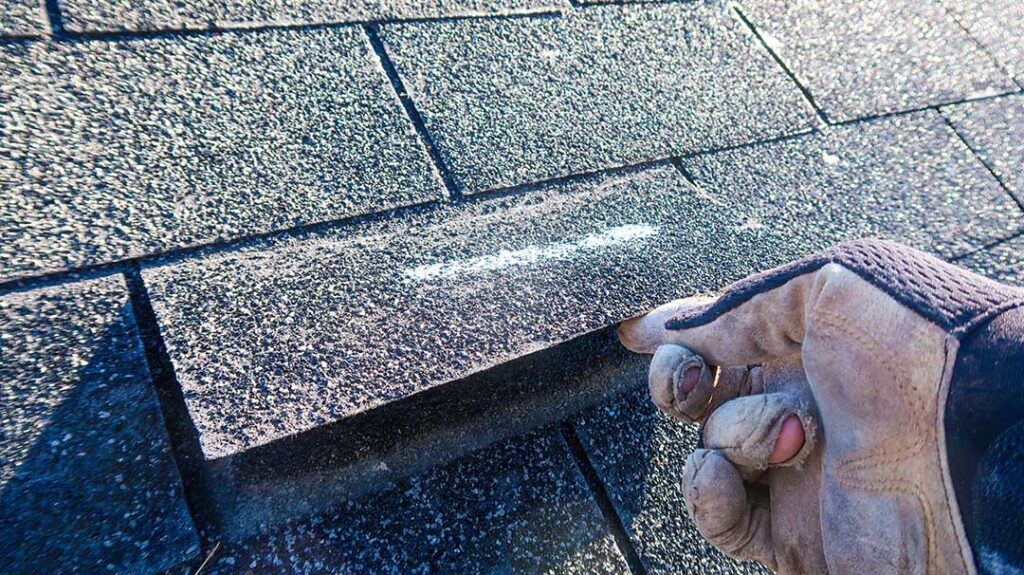
A roof replacement can help lower energy bills when the existing roof has deteriorated insulation, air leaks, moisture damage, or poor attic ventilation. The roofing material itself usually has a smaller effect on utility costs than the complete roof assembly, which includes the shingles or other covering, roof deck, insulation, air sealing, and ventilation.
For households in Greene, NY, this matters most during long heating seasons and periods of summer humidity. A roof that allows heat to escape in winter or unwanted heat to enter in summer can make the heating and cooling system work harder than necessary.
How does a roof affect energy bills?
A roof affects energy use mainly by controlling heat flow between the living space and the outdoors. Warm air naturally rises, so heat can escape through the ceiling and attic if insulation is thin, compressed, wet, or interrupted by gaps.
During summer, the roof assembly also absorbs solar heat. If that heat moves into the attic and living areas, indoor temperatures can rise and air conditioning may run longer.
A replacement project may improve energy performance by addressing several conditions at once:
- Adding or correcting attic insulation
- Sealing gaps around pipes, wiring, chimneys, and ceiling fixtures
- Repairing damaged roof decking that allows drafts or moisture intrusion
- Improving soffit, ridge, or other attic ventilation
- Installing an appropriate underlayment and properly sealed roof penetrations
- Replacing dark, worn, or poorly installed roofing materials with a more suitable assembly
A new roof covering alone may not produce a noticeable reduction in energy use if the insulation and air sealing remain unchanged.
Why is attic insulation often more important than shingles?
Insulation slows heat movement. If an attic has inadequate insulation, warm household air can pass through the ceiling and enter the attic during winter. That lost heat represents energy already paid for by the household.
Roof replacement can provide a practical opportunity to inspect insulation that is otherwise difficult to reach. In some homes, insulation has settled over time, become damp, or was installed unevenly. Older houses may also have areas where insulation stops at the attic hatch, around recessed lighting, or near roof framing.
Adding insulation at the attic floor is often appropriate when the attic is unconditioned. If the attic is part of the living space, insulation may instead need to be placed along the roof slopes. The correct location depends on the home’s design and how the attic is used.
Insulation should not block ventilation pathways. Covering soffit vents with insulation can restrict airflow and contribute to moisture problems.
Can better roof ventilation reduce heating and cooling costs?
Proper ventilation supports energy performance, but it is not a substitute for insulation. A well-designed attic ventilation system allows outdoor air to move through the attic while insulation limits heat transfer from the rooms below.
In winter, ventilation helps keep the attic colder. That reduces the chance that heat escaping from the house will warm the underside of the roof enough to melt snow unevenly. Meltwater can refreeze near colder roof edges, contributing to ice dams.
In summer, ventilation helps remove some accumulated heat and moisture. This can reduce attic temperatures and lessen the load on the cooling system, although ventilation alone will not correct a severely underinsulated or leaky ceiling.
Balanced intake and exhaust ventilation is generally more effective than simply adding a roof vent without checking whether air can enter through the lower portions of the roof.
What role does air sealing play?
Air sealing prevents conditioned indoor air from escaping through openings. This is different from insulation: insulation slows heat movement, while air sealing blocks the movement of air itself.
Common leakage points include:
- Attic access panels
- Plumbing and electrical penetrations
- Gaps around chimneys and flues
- Recessed light fixtures
- Ductwork passing through the ceiling
- Open wall cavities at the top of interior partitions
A roof replacement may reveal these areas, especially when the roof deck or attic floor is accessible. Sealing them can improve comfort by reducing drafts, uneven room temperatures, and the amount of work required from the furnace or air conditioner.
Combustion safety requires care around chimneys, flues, and fuel-burning equipment. Materials used near these components must be appropriate for the temperature and clearance requirements.
Does a lighter-colored roof lower utility bills?
A lighter roof can absorb less solar radiation than a darker roof, particularly during sunny weather. This may help reduce summer heat gain, but the effect varies according to roof pitch, shade, attic insulation, ventilation, and the building’s overall design.
In a heating-dominated climate, a darker roof may provide some passive solar warming during sunny winter conditions, though this benefit is usually modest. Strong insulation and air sealing generally have a more dependable effect on year-round energy use.
Reflective roofing can be more useful on buildings with large low-slope roofs or significant cooling demand. For a typical home, the choice of roof color should also consider appearance, durability, snow shedding, and compatibility with the existing structure.
How does roof condition affect heating efficiency?
A leaking or deteriorated roof can make insulation wet. Wet insulation loses some of its insulating ability and may remain compressed or damaged even after the roof leak is repaired.
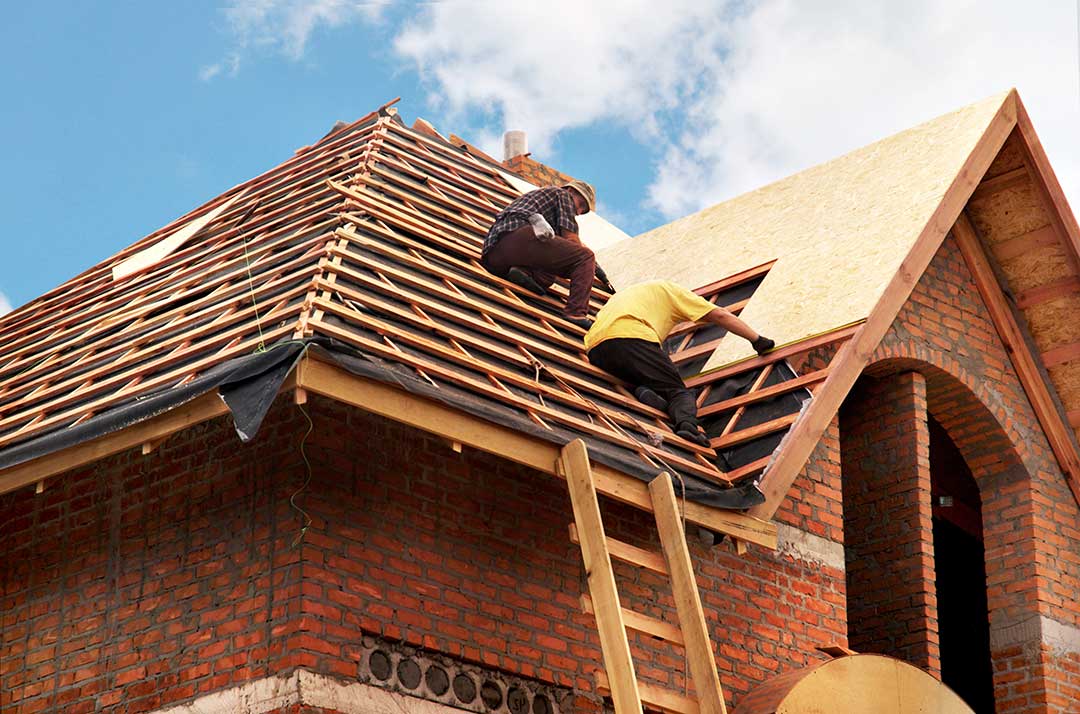
Moisture can also contribute to mold growth, wood decay, rusted fasteners, and damage to ceiling materials. These problems may not immediately appear as higher utility bills, but they can reduce the effectiveness of the building envelope and create expensive repair needs.
In Greene, NY, repeated freeze-thaw cycles, wind-driven rain, snow, and ice can expose weaknesses around flashing, valleys, roof edges, and penetrations. A roof that appears acceptable from the ground may still have concealed moisture or air-leakage problems.
Will a roof replacement pay for itself through energy savings?
Usually, energy savings alone should not be assumed to cover the full cost of replacing a roof. A replacement is often necessary because of age, leaks, structural deterioration, or storm damage. Energy savings are more accurately viewed as one benefit of completing the work correctly.
The expected reduction depends on:
- Existing insulation levels
- Air leakage before the project
- Roof and attic design
- Heating fuel and equipment efficiency
- Household temperature settings
- Amount of summer cooling
- Roof shade and exposure
- Quality of installation
A home with a severely underinsulated attic may see a more noticeable improvement than a home that already has good insulation and tight air sealing.
What should residents ask about during a roof replacement?
Before work begins, it is useful to understand which energy-related improvements are actually included. Questions may cover:
- Whether the attic insulation will be inspected
- Whether damaged or wet insulation will be removed
- How air leaks around penetrations will be handled
- Whether soffit and exhaust ventilation are balanced
- Whether the roof assembly will meet current New York State requirements
- How attic access panels will be insulated and sealed
- Whether moisture damage to roof decking will be addressed
Building requirements can change over time, and replacement work may need to comply with the energy code in effect when the work is performed. The roof covering, insulation, ventilation, and air sealing should be considered as one connected system rather than separate parts.
A roof replacement can improve energy performance, but the largest gains usually come from correcting the entire upper boundary of the home. For local households, a durable roof paired with dry insulation, controlled air leakage, and properly balanced attic ventilation can help maintain steadier indoor temperatures and reduce unnecessary heating and cooling demand.
