
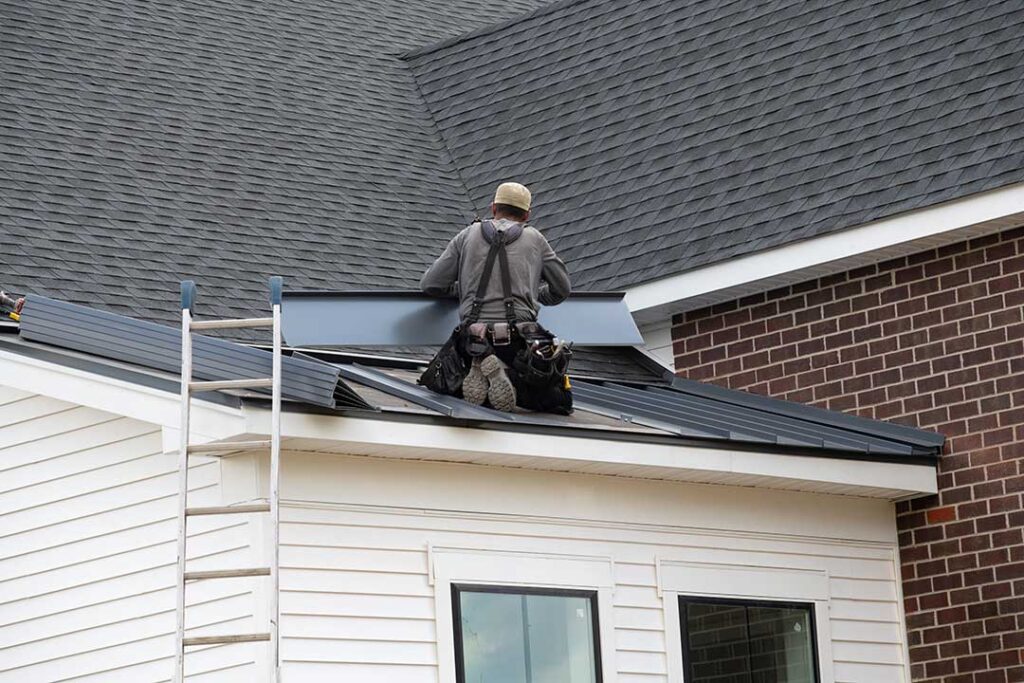
How often should a roof be inspected?
Most homes should receive a roof inspection at least once a year, with an additional inspection after severe weather or when signs of damage appear. For many households in Greene, NY, the most useful routine timing is late spring or early summer, after winter snow, ice, wind, and freeze-thaw cycles have passed.
A second visual check in early fall can also be helpful. This allows time to identify loose materials, blocked drainage, or small leaks before the roof faces another season of snow and ice.
The right schedule depends on several factors:
- Roof age and material
- Previous leaks or repairs
- The slope and design of the roof
- Nearby trees
- Exposure to wind
- Snow and ice accumulation
- Whether the attic is properly ventilated
- Whether the home has recently been altered or added onto
A newer roof in good condition may need only an annual inspection. An older roof, a roof with a history of leaks, or a home surrounded by mature trees may require more frequent attention.
Why is late spring a good time for a roof inspection?
Late spring is often the most practical inspection window because winter damage is easier to identify once snow and ice have cleared. During the colder months, roof surfaces may be covered, and ice can hide damaged shingles, lifted flashing, or blocked drainage paths.
A spring inspection should look for:
- Missing, cracked, curled, or loose shingles
- Exposed fasteners or roofing material
- Damaged flashing around chimneys, vents, skylights, and roof edges
- Sagging areas or visible dips
- Gutter sections pulled away from the roofline
- Granules collecting in gutters or downspouts
- Water stains in attic spaces or upper ceilings
- Evidence of ice damming
- Mold, damp insulation, or musty odors in the attic
Freeze-thaw cycles can be particularly hard on roofing details. Water enters a small opening, freezes, expands, and then leaves the opening slightly larger after repeated cycles. A defect that seemed minor in autumn may become a leak by spring.
Should a roof be inspected before winter?
Yes. A pre-winter inspection is useful, especially for homes with older roofing, complicated rooflines, or a history of ice dams. Early fall is usually a suitable time because leaves have not fully accumulated and outdoor conditions are generally safer than during winter.
The goal is not to predict every winter problem. It is to correct conditions that could worsen under snow, ice, and repeated temperature changes.
Before winter, check whether:
- Gutters and downspouts are clear
- Water can drain away from the foundation
- Flashing is secure
- Shingles are firmly attached
- Roof penetrations are properly sealed
- Attic insulation and ventilation appear adequate
- Tree limbs are close enough to scrape or fall onto the roof
- Previous temporary repairs have deteriorated
A roof inspection does not replace attic maintenance. Poor ventilation or uneven insulation can contribute to condensation and ice buildup even when the exterior roof surface appears intact.
When should a roof be inspected after a storm?
A roof should be checked after unusually strong wind, hail, heavy snow, falling branches, or a storm that causes water intrusion. Waiting for a leak to become obvious can allow moisture to damage sheathing, insulation, framing, ceilings, or wall finishes.
After a storm, look from the ground for:
- Shingles or roofing pieces in the yard
- New dark or bare patches
- Bent metal edging
- Loose flashing
- Debris lodged on the roof
- Damaged gutters
- Broken branches resting on the roof
- Water stains that were not present before the storm
Do not climb onto a wet, icy, steep, or visibly damaged roof. A ground-level inspection with binoculars can identify some concerns, but it cannot confirm the condition of hidden roofing layers or areas that cannot be seen safely.
If water is entering the home, place containers under active drips, move belongings away from the affected area, and avoid electrical fixtures near wet ceilings. A visibly sagging ceiling or significant structural damage requires immediate attention and may warrant leaving the affected room until the hazard is assessed.
Does roof age change the inspection schedule?
Yes. Roof age is one of the strongest reasons to inspect more often. As roofing materials age, small defects become more likely, and repairs may be less predictable.
A roof nearing the later portion of its expected service life should generally be reviewed annually, even if it has not leaked. The inspection should consider overall condition rather than focusing only on individual shingles.

Older roofs may show:
- Widespread granule loss
- Repeated cracking or curling
- Brittle surfaces
- Rusted or deteriorated flashing
- Sagging around valleys or roof edges
- Repairs in several different areas
- Staining beneath roof penetrations
A roof that has been covered with an additional layer of roofing material may deserve closer monitoring because the visible surface does not always reveal the condition of the underlying layer.
What signs mean an inspection should happen sooner?
Some warning signs justify an inspection without waiting for spring or fall. Interior evidence is especially significant because the roof may have been leaking before water became visible.
Look for:
- Brown or yellow ceiling stains
- Peeling paint near upper walls
- Damp attic insulation
- Drips during rain
- Musty smells
- Daylight visible through the roof deck
- Unexplained increases in attic moisture
- Ice buildup along eaves
- Shingles found on the ground
- Gutters filled with unusually large amounts of roofing granules
A stain that dries after a storm should not automatically be dismissed. Intermittent leaks can occur only during certain wind directions, snow conditions, or temperatures.
What is the difference between a roof inspection and a roof repair estimate?
A roof inspection is an assessment of condition, damage, drainage, ventilation, and likely areas of concern. It may identify maintenance needs even when replacement is not necessary.
A repair estimate is a separate document that describes proposed work and cost. A responsible inspection should not assume that replacement is the only solution. Some problems involve flashing, drainage, ventilation, or isolated damage rather than the entire roof surface.
Residents should also distinguish a routine inspection from a municipal building inspection. If roofing work is planned, local permit requirements may apply depending on the type and extent of the project. Inspection timing does not replace the need to confirm applicable building rules before work begins.
What is a sensible annual schedule for local households?
For many homes, this schedule is practical:
- Late spring: Check for winter and freeze-thaw damage.
- Early fall: Review drainage, flashing, trees, and roof surfaces before snow season.
- After severe weather: Look for visible damage and interior leaks.
- Any time warning signs appear: Do not wait for the next seasonal inspection.
Keeping simple records can make inspections more useful. Note the inspection date, visible concerns, photographs, repairs made, and areas that should be watched. This creates a timeline that helps distinguish a new problem from an older one.
The safest approach is to inspect from the ground whenever possible and avoid walking on the roof without proper equipment and training. A roof can look sound from below while still having concealed damage, and winter conditions can make even a familiar roof hazardous.
