
Do skylights weaken a roof?
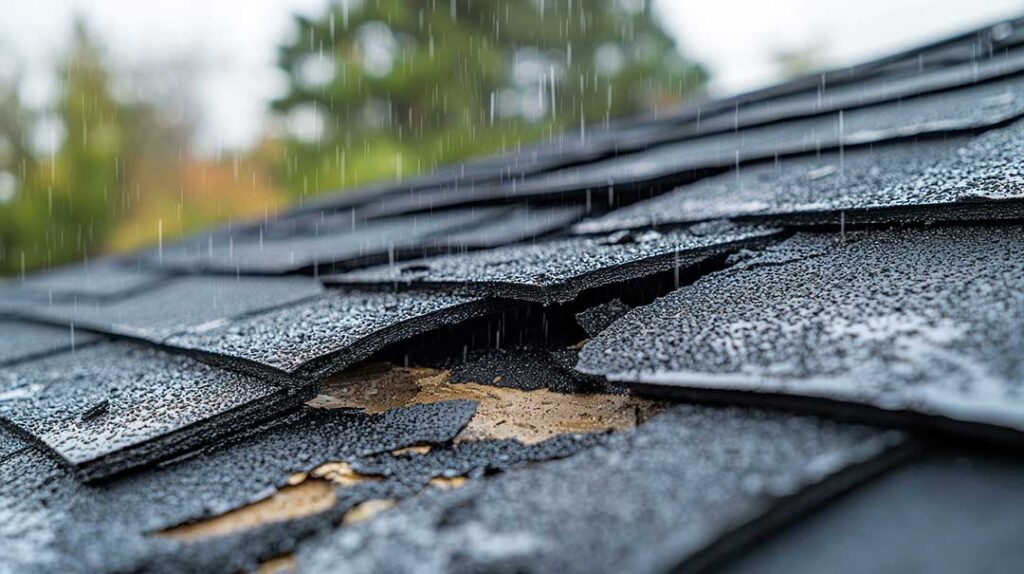
A skylight does not automatically weaken a roof, but it does create an opening in a surface that is otherwise designed to shed water continuously. The roof’s performance depends on the size and location of the opening, the quality of the framing, the flashing system, the skylight design, and how well the surrounding roof is maintained.
A properly installed skylight transfers loads around the opening through added framing. The roof is not simply cut and left unsupported. Rafters or trusses may need to be reinforced, and the opening must be sized according to the roof’s structural design. Problems often develop when installation alters structural members without adequate support or when an older skylight is replaced with a different-sized unit.
Most skylight-related roof failures are not caused by the glass itself. They are more often connected to:
- Failed or incomplete flashing
- Deteriorated roofing materials around the opening
- Blocked drainage paths
- Condensation inside the skylight or shaft
- Ice and snow buildup
- Incorrect installation on a roof with too little slope
How do skylights affect water drainage?
A skylight interrupts the roof’s normal drainage pattern. Water, melting snow, leaves, and ice can collect above the upper edge of the unit if the flashing does not guide them around the opening.
Skylights installed on sloped roofs typically use several flashing components. A sill flashing protects the lower edge, step flashing protects the sides, and head flashing or an upper diverter helps direct water away from the top. An underlayment layer beneath the shingles or other roof covering adds another line of defense.
The area above a skylight deserves particular attention after heavy rain, freezing weather, or roof maintenance. Water stains near the lower corners may indicate a flashing issue, but the visible stain does not always identify the exact source. Water can travel along roof decking, rafters, insulation, or the interior skylight shaft before appearing indoors.
A common misconception is that applying sealant around the outside edge permanently solves a leak. Sealant can deteriorate from sunlight, temperature changes, and movement between materials. It may temporarily hide a problem while water continues entering beneath the flashing.
Are skylights more likely to leak in Greene, NY?
Skylights can face greater seasonal stress in Greene, NY because roofs must handle repeated cycles of rain, snow, freezing temperatures, thawing, and strong temperature changes. Those conditions cause roofing materials, flashing, sealants, and framing components to expand and contract at different rates.
Winter conditions can be especially demanding. Snow may remain on the roof for extended periods, and melting can occur unevenly. If water reaches a colder roof edge or an obstructed drainage area, it may refreeze. Repeated freezing and thawing can place pressure on flashing seams and roofing materials.
The risk is not limited to deep snow. Wind-driven rain, wet leaves, and small debris can also expose weaknesses around a skylight. Roofs with nearby trees may require more frequent observation because debris can collect above the upper flashing or block drainage channels.
Skylights are not automatically unsuitable for the local climate. They simply require a complete water-management system and regular observation of the surrounding roof.
Can a skylight cause ice dams?
A skylight can contribute to ice-dam formation if it allows heat to escape into the roof area or if the surrounding roof has poor insulation and ventilation. Warm air from the home may heat the roof surface around the skylight, causing snow to melt. That meltwater can flow toward colder roof sections and refreeze near the eaves.
The skylight itself is not always the primary cause. Common contributing factors include:
- Inadequate insulation around the skylight shaft
- Air leaks between the living space and the attic
- Poor attic ventilation
- Uneven roof temperatures
- Heavy snow accumulation
- Roof sections with limited sunlight or restricted drainage
Signs of possible ice-dam activity include icicles, water stains near the skylight, damp insulation, peeling paint, or repeated leaks during thawing weather. Removing snow or ice from a roof can be hazardous, especially around a raised or slippery skylight. Walking on the roof or striking ice with tools can damage shingles, flashing, and the skylight frame.
Do skylights affect attic insulation and ventilation?
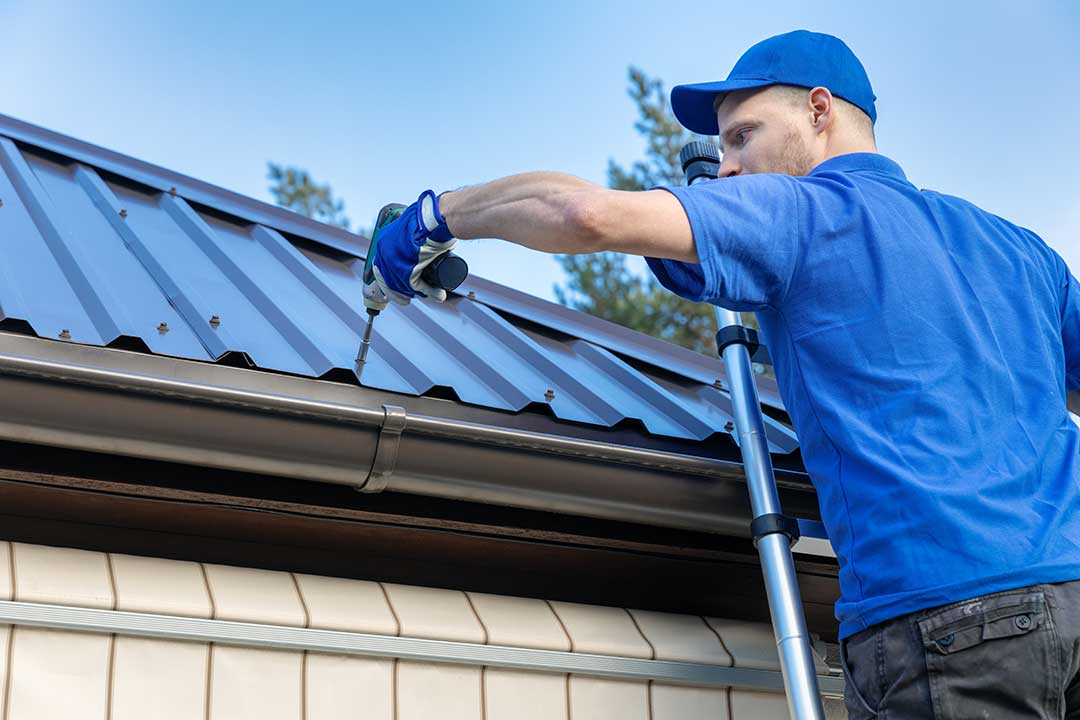
Yes. A skylight creates a transition between the finished interior and the roof assembly, so insulation and air sealing around the shaft are essential. If the shaft is poorly insulated, the interior surfaces may become cold during winter. Moist indoor air can then condense on the frame, trim, or surrounding ceiling.
Condensation can resemble a roof leak. A leak typically becomes more noticeable after rain or snowmelt, while condensation may appear during cold weather even when there has been no precipitation. However, both problems can occur at the same time, so water should not be dismissed as condensation without checking the roof and interior conditions.
The shaft should be insulated continuously, and gaps around framing should be sealed. The attic ventilation system should also remain functional. Blocking soffit airflow, compressing insulation against ventilation channels, or creating an isolated warm pocket around the skylight can increase moisture and ice-dam risks.
How long do skylights usually last?
The lifespan of a skylight varies widely based on its materials, exposure, maintenance, and installation quality. The roofing system around it may need replacement before the skylight, or the skylight may deteriorate while much of the surrounding roof still appears serviceable.
Warning signs include:
- Cracked or fogged glazing
- Water trapped between panes
- Discolored interior trim
- Bubbling paint or damaged drywall
- Cracked seals or deteriorated flashing
- Drafts around the frame
- Persistent condensation
- Brittle roofing materials nearby
A skylight that is several decades old may have outdated seals, glazing, or flashing details even if it has not caused a major leak. Replacing an older unit during a roof replacement can sometimes reduce the need to disturb newer roofing materials later, but the decision depends on the unit’s condition and compatibility with the roof design.
What maintenance should homeowners perform?
Routine observation can identify small problems before they affect insulation, ceilings, or structural materials. From inside the home, inspect the ceiling and trim around the skylight after major storms and during cold weather. Look for staining, dampness, peeling paint, or changes in the appearance of the framing.
From the ground, check whether the roof area above the skylight is collecting leaves, branches, or unusual amounts of snow. Binoculars can help identify damaged shingles or lifted flashing without requiring anyone to climb onto the roof.
Keep window coverings and interior finishes dry, but do not cover evidence of a leak before determining its cause. If water is actively entering, electrical fixtures near the affected area should be treated as a safety concern. Structural damage, roof access during icy conditions, and electrical hazards require qualified assistance because attempting repairs in those circumstances can create more danger than the original problem.
A skylight can add useful daylight and ventilation, but it also becomes part of the roof’s drainage, insulation, and weather-resistance system. In a climate with snow, freezing temperatures, and repeated seasonal changes, its condition should be evaluated together with the surrounding roof rather than as an isolated window.
