
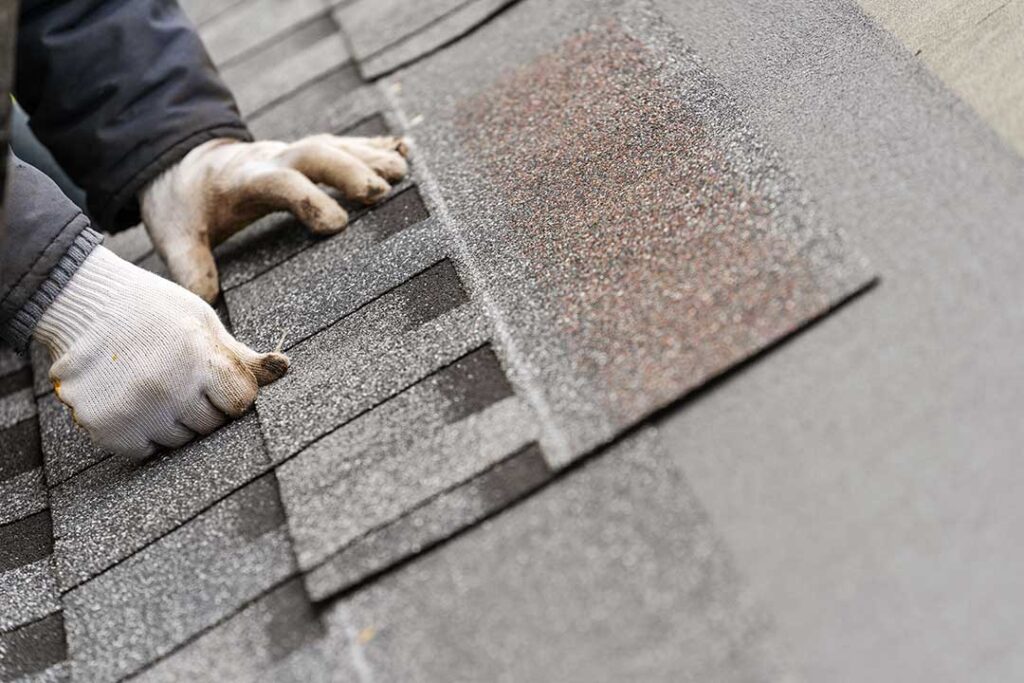
Strong wind does not need to remove an entire roof to create a serious problem. Gusts can loosen shingles, lift flashing, damage vents, and push rain into small openings that may not be visible from the ground.
For households in Greene, NY, wind damage can occur during thunderstorms, remnants of tropical systems, winter storms, and periods of rapidly changing weather. The most useful response is to understand what wind affects first, what warning signs to look for, and which conditions require immediate safety precautions.
What parts of a roof are most vulnerable to wind?
The edges and transitions of a roof usually experience the greatest wind stress. Wind pressure can work beneath shingle edges, around roof penetrations, and along areas where different materials meet.
Common vulnerable areas include:
- Eaves and rakes along the roof perimeter
- Ridge caps at the peak
- Shingles near valleys and roof edges
- Flashing around chimneys, walls, skylights, and vents
- Gable ends and soffits
- Gutters and downspouts attached to the roof edge
- Roof-mounted vents, exhaust caps, and other penetrations
A roof may appear intact after a storm while still having loosened fasteners or lifted materials. Wind does not always create an obvious hole. Sometimes it breaks the seal between shingles, leaving a weak area that may worsen during the next storm.
Can wind damage a roof without missing shingles?
Yes. A roof can suffer wind damage even when every shingle appears to be in place.
Wind may lift a shingle temporarily and then allow it to settle back down. This can weaken the adhesive strip, bend the shingle, expose fasteners, or create a small gap underneath. The damage may only become noticeable when rain enters or another gust lifts the same area.
Other less-visible problems include:
- Torn or stretched shingle tabs
- Exposed nail heads
- Cracked or displaced flashing
- Loose ridge vents
- Separated gutter fasteners
- Damaged underlayment beneath shingles
- Openings around plumbing or exhaust vents
A ground-level view is useful for spotting major problems, but it cannot confirm the condition of every roof surface. Binoculars can help with a visual check from the ground, but climbing onto a wet, steep, or damaged roof creates unnecessary risk.
What signs should residents look for after a windstorm?
The first signs may appear outside the home, inside the attic, or on upper floors. A quick inspection should be visual and should not involve walking on the roof.
Look for:
- Shingles in the yard, driveway, or gutters
- Shingles that look raised, curled, creased, or out of alignment
- Missing ridge caps
- Bent or hanging flashing
- Gutter sections pulling away from the fascia
- New dents or cracks in roof vents
- Water stains on ceilings or upper walls
- Damp insulation or a musty attic odor
- Daylight visible through the roof deck in the attic
- Sudden drafts, rattling, or movement near roof openings
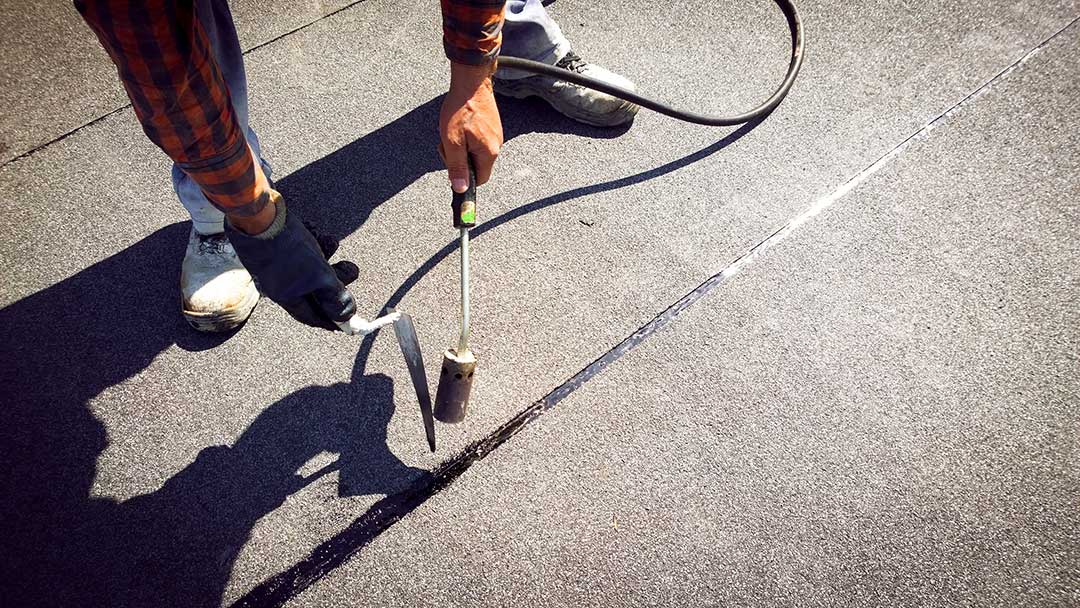
A few loose shingles can matter more than their size suggests. Water can travel beneath roofing materials before appearing indoors, so the location of an interior stain may not match the actual exterior entry point.
Why do older roofs often experience more wind problems?
Age alone does not determine whether a roof will withstand strong wind, but older materials may have less flexibility and weaker seals. Repeated exposure to sunlight, freezing temperatures, snow, ice, and moisture can make shingles brittle and reduce the effectiveness of adhesive strips.
Previous repairs also affect wind resistance. A roof with mismatched materials, exposed fasteners, loose flashing, or poorly secured edge components may have weak points even if much of the surface remains serviceable.
Roof shape matters as well. Complex roofs with multiple valleys, dormers, wall intersections, and sections at different heights have more areas where wind can create turbulence. Simple roof designs are not immune to damage, but they generally have fewer transitions and penetrations to inspect.
How do trees and nearby structures increase wind-related risk?
Wind damage is not limited to the roofing materials themselves. Trees near a home can drop branches or scrape against shingles during gusts. Even small branches may damage vents, gutters, flashing, or the roof surface.
Fences, sheds, detached structures, and unsecured outdoor items can also become airborne or shift during severe weather. A loose object striking the roof may cause concentrated damage that would not occur from wind pressure alone.
Before storm season, residents can reduce risk by keeping tree limbs away from the roof, securing outdoor furniture and equipment, and checking that attic vents and roof-edge components are not loose. These measures do not eliminate storm damage, but they can reduce preventable impacts.
What should be done if water is entering the home?
If water is actively entering, protect people and belongings first. Keep away from areas where water is near light fixtures, outlets, wiring, or electrical equipment. Place containers under drips only when doing so does not require standing beneath an unstable ceiling.
If a ceiling is bulging, sagging, or showing signs of sudden movement, leave the area. Water can collect above the ceiling and add substantial weight. Do not puncture or cut the ceiling unless an appropriate safety plan is in place and electrical hazards have been ruled out.
In the attic, avoid stepping on surfaces other than the structural framing. Wet insulation, exposed nails, limited lighting, and damaged roof decking can make even a small inspection hazardous.
Temporary protection may be necessary when an opening is exposed, but climbing onto a roof during or immediately after severe weather is unsafe. Strong winds may continue in bursts, and wet roofing surfaces are especially slippery.
Does a small amount of wind damage need attention?
Small damage should not automatically be ignored. A single lifted shingle or loose flashing section can allow repeated wetting of the underlayment and roof deck. Over time, that moisture may contribute to staining, wood deterioration, mold growth, or insulation damage.
At the same time, not every cosmetic change means the roof has failed. Granule loss in gutters, minor discoloration, and older surface wear can have several causes. The key questions are whether roofing materials have separated, whether the roof deck is exposed, and whether water has entered the building.
Documenting conditions shortly after a storm can be useful. Photos taken from the ground may help show the location and extent of visible damage. Note the date of the storm, the affected roof area, interior signs of moisture, and any temporary measures taken.
When is a roof inspection a safety issue?
A roof should not be approached when there are active electrical hazards, extensive structural damage, unstable branches, fire damage, major leaks near wiring, or portions of the roof that are visibly sagging. Severe weather can also leave debris, broken glass, and hidden nails around the property.
Professional evaluation is appropriate when damage cannot be safely assessed from the ground, when water is entering, or when the roof has visible separation or structural movement. This is not because every wind event requires major work; it is because concealed damage can be difficult to judge safely without proper access and equipment.
For area households, the most reliable approach is simple: inspect from the ground after conditions are calm, check the attic and upper ceilings for moisture, address active leaks promptly, and avoid turning a roof problem into a personal injury.
