
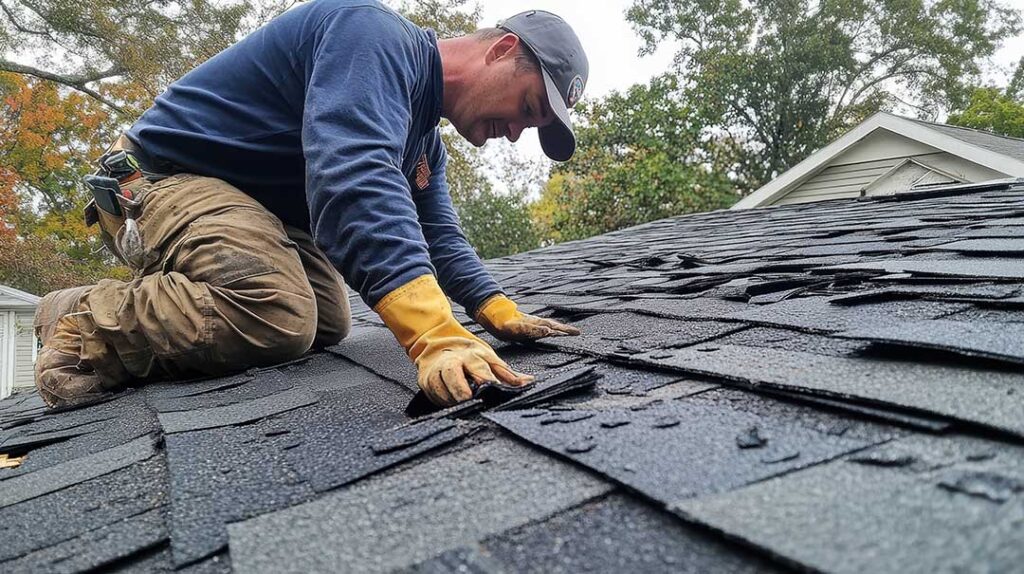
Is it safe for homeowners to get on the roof?
Usually, roof access should be avoided unless there is a clear reason and the conditions are safe. Roof surfaces can be steep, wet, icy, brittle, or covered with loose granules that reduce traction. A fall from even a one-story roof can cause serious injury.
For most routine observations, the ground provides enough information. Binoculars, a camera with a zoom lens, or a view from an upper window can help identify missing shingles, sagging areas, clogged gutters, or damaged flashing without creating unnecessary risk.
Homeowners in Greene, NY should take extra care during seasonal changes. Snow, freezing rain, spring moisture, autumn leaves, and strong winds can all make roofing surfaces less predictable.
When should a homeowner stay off the roof?
Do not climb onto a roof during or shortly after hazardous weather. Wait until the surface is fully dry and conditions are stable.
Stay off the roof if any of the following are present:
- Ice, frost, snow, or standing water
- Rain, strong wind, or lightning
- Moss, algae, wet leaves, or heavy debris
- Loose, curling, cracked, or missing shingles
- Sagging roof sections or visible structural damage
- Damaged skylights or roof openings
- Steep slopes that cannot be approached safely
- Poor visibility, darkness, or glare
- Footwear with smooth or worn soles
A roof may look dry while retaining moisture in shaded areas, near valleys, beside chimneys, or under overhanging branches. Morning frost can also remain after nearby pavement has thawed.
What is the safest way to inspect a roof from the ground?
A ground-level inspection should begin with a slow walk around the home. Look for changes rather than trying to examine every shingle.
Useful warning signs include:
- Shingles missing from exposed roof sections
- Shingle edges that curl, lift, or appear brittle
- Dark patches that may indicate moisture or loss of surface granules
- Sagging lines along the roof plane or ridge
- Damaged fascia, soffits, gutters, or downspouts
- Water stains on exterior walls below roof edges
- Flashing that appears loose around chimneys, vents, or wall intersections
- Granules collecting in gutters or near downspout outlets
Do not stand directly beneath a visibly sagging area, loose gutter, or hanging branch. If roofing materials appear unstable, keep people and pets away from the area below until the hazard is addressed.
How can ladders be used more safely?
Many roof-related injuries happen before a person reaches the roof. Ladder placement and movement deserve as much attention as the roof surface itself.
Set a ladder on firm, level ground. Never place it on snow, ice, loose soil, stacked materials, boxes, or an unstable surface to gain extra height. Keep the area around the ladder clear of children, pets, vehicles, and opening doors.
Before climbing:
- Inspect the ladder for bent rails, damaged feet, loose steps, or cracks.
- Face the ladder while climbing and keep both hands available whenever possible.
- Maintain three points of contact: two hands and one foot, or two feet and one hand.
- Do not carry bulky tools while climbing.
- Avoid leaning sideways beyond the ladder rails.
- Never move or extend a ladder while standing on it.
- Keep clear of overhead electrical lines and service connections.
A ladder should not be used as a substitute for a stable roof-access system. Reaching from the top of a ladder or stepping sideways onto an uneven roof edge greatly increases the chance of losing balance.
What equipment helps reduce risk?
Proper equipment cannot make a hazardous roof safe, but it can reduce preventable mistakes. Wear slip-resistant footwear with clean soles and clothing that allows free movement. Avoid loose straps, long drawstrings, or anything that could catch on ladder parts.
For work above ground level, fall protection may be necessary. A personal fall-arrest system must be designed, attached, and used correctly. A harness connected to an unsuitable anchor can create a false sense of security. Improvised anchors, chimney parts, plumbing vents, gutters, and decorative trim are not reliable attachment points.
Homeowners should not attempt roof work that requires specialized fall protection, steep-slope procedures, or unfamiliar equipment without understanding how the system works. Safety gear is only effective when the entire setup is compatible and properly positioned.
Which roof tasks are reasonable for a homeowner?
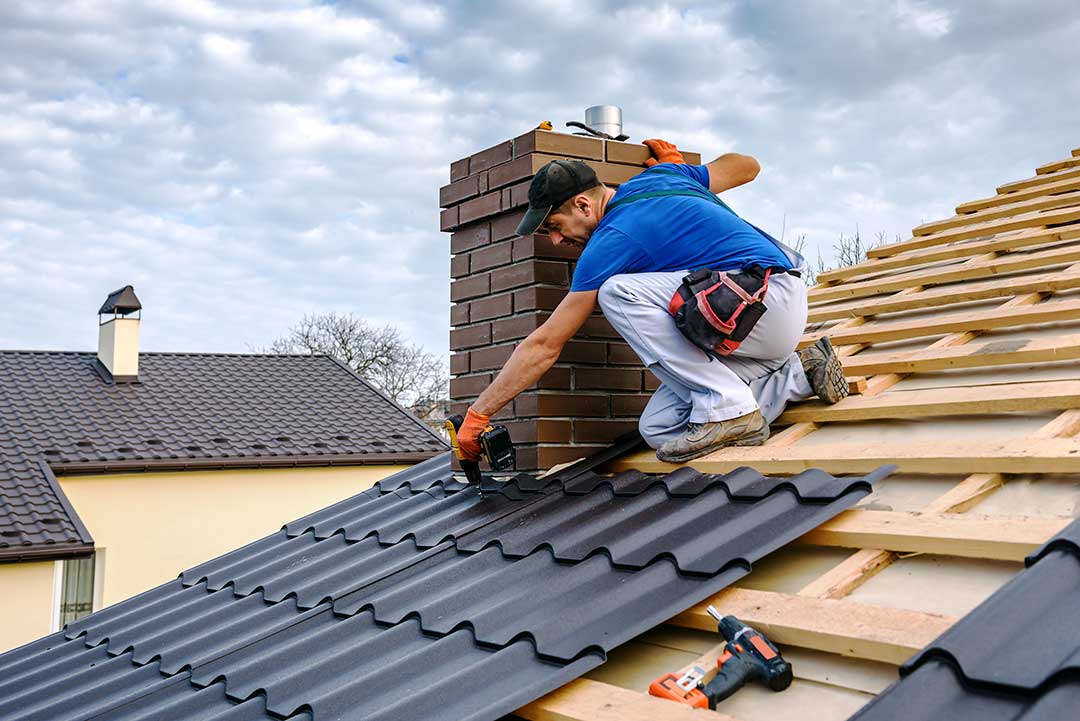
Some ground-level and low-risk maintenance tasks may be manageable, while others should not be attempted casually.
Reasonable tasks may include checking attic areas for stains, clearing small amounts of debris from the ground, trimming back branches that touch the roof from a safe location, and observing gutters from a properly positioned ladder when conditions are stable.
Greater caution is needed for:
- Walking directly on shingles
- Replacing or securing roofing materials
- Working near skylights
- Clearing snow or ice from a roof
- Using power tools at height
- Repairing chimneys, vents, or flashing
- Entering areas with visible structural sagging
- Working near electrical service equipment
Roof systems can be damaged by incorrect foot placement, forceful scraping, or walking on brittle materials. A repair that appears simple from the ground may involve hidden moisture, weakened decking, or unstable surfaces.
How should gutters and roof edges be approached?
Gutters are often treated as a separate maintenance issue, but they are located at one of the most dangerous parts of the roof system: the edge. Leaning over a gutter can shift a person’s center of gravity beyond the ladder or roof surface.
Do not use gutters as handholds. Do not place ladder weight against fragile gutter sections unless the ladder is designed for that purpose and properly supported. Keep both feet on a stable ladder position rather than stepping from the ladder onto a gutter or roof edge.
After heavy rain, inspect downspouts from the ground. Water spilling over one location may indicate a blockage, but it may also reflect an undersized, displaced, or damaged drainage component.
What should be done after a storm?
After wind, hail, or heavy snow, begin with a ground-level assessment. Look for scattered shingles in the yard, exposed underlayment, broken branches, dents in visible metal components, and water entering the attic or living areas.
Inside the attic, use a flashlight and watch for:
- Damp insulation
- Darkened roof decking
- Dripping or active water
- Daylight visible through the roof
- Musty odors or new staining
Do not touch wet electrical equipment or enter an attic with standing water, damaged wiring, or signs of structural instability. Place containers beneath minor interior leaks only when doing so does not require standing under a damaged ceiling or near electrical fixtures.
If a roof has collapsed, is visibly shifting, or has extensive storm damage, keep everyone away from the structure and treat it as an immediate safety hazard. Emergency conditions may require assistance from local authorities or qualified emergency personnel.
Can roof safety problems be prevented?
Regular observation helps identify problems before they require climbing. Keep branches from rubbing against roofing materials, maintain clear drainage paths, and inspect the attic after major storms or periods of wind-driven rain.
Seasonal planning is especially useful in the local climate. Before winter, check for loose materials and drainage problems from the ground. After snow and ice events, watch for interior moisture, displaced flashing, and unusually heavy ice buildup. In autumn, remove leaves from accessible ground-level drainage areas without reaching beyond a safe ladder position.
The safest roof inspection is often the one that avoids the roof entirely. Clear ground-level observations, careful ladder practices, and early attention to visible warning signs can prevent a minor maintenance concern from becoming a serious fall or structural hazard.
