
Roof decking is the structural surface beneath a roof’s shingles, metal panels, or other exterior covering. It connects the roof framing into a continuous plane and provides the base that supports underlayment and roofing materials.
For homeowners in Greene, NY, the condition of the decking matters because roofs must handle changing temperatures, wind, rain, snow, and repeated freeze-thaw cycles. A roof can appear sound from the ground while hidden decking has weakened from moisture or age.
What is roof decking?
Roof decking, also called roof sheathing, is the layer installed over the rafters or roof trusses. It is usually made from wood-based panels or, in older homes, individual boards.
Common types include:
- Plywood panels
- Oriented strand board, commonly called OSB
- Solid wood boards used in older roof systems
- Specialized structural panels in some newer construction
The decking spreads the weight of the roof across the framing. It also gives roofing materials a relatively flat surface for installation. Without sound decking, shingles may not lie properly, fasteners may not hold securely, and the roof system may not perform as intended.
Roof decking is different from underlayment. Decking is structural; underlayment is a protective water-resistant layer installed above the decking and below the exterior roofing material.
Why does roof decking matter?
Sound decking supports the entire roof covering and helps maintain the roof’s shape. Damaged decking can cause visible and hidden problems, including:
- Soft or spongy areas underfoot
- Sagging between rafters
- Uneven shingle lines
- Buckled or raised roofing materials
- Loose fasteners
- Water entering around damaged sections
- Reduced resistance to wind and snow loads
A small roof leak does not always mean the decking has failed. However, water that reaches the sheathing can cause wood rot, swelling, delamination, or mold growth. The longer moisture remains present, the greater the chance that damage will spread beyond the original leak.
What causes roof decking to deteriorate?
Moisture is the most common cause of decking damage, but it is not the only one.
Roof leaks
Leaks may develop around penetrations, roof edges, valleys, flashing, skylights, chimneys, or areas where roofing materials have aged. Water can travel along the underside of the roof before becoming visible inside the home, so the interior stain may not be directly below the exterior problem.
Condensation
Warm, moist indoor air can reach a cold roof deck if attic insulation, air sealing, or ventilation is inadequate. Repeated condensation can dampen the underside of the decking, especially during cold weather.
Ice buildup and winter moisture
Snow and ice can expose weak areas in a roof system. Ice buildup near roof edges may allow water to move beneath the exterior covering. Freeze-thaw cycling can also enlarge small cracks, open gaps around flashing, and keep damp wood wet for extended periods.
Age and long-term exposure
Older decking may have experienced decades of moisture, temperature changes, and repairs. Solid boards can split or become brittle, while plywood and OSB may lose strength after repeated wetting.
Poor ventilation
Roof ventilation does not dry out major leaks, but balanced airflow can help reduce excessive heat and moisture in the attic. Blocked intake vents, missing exhaust paths, or insulation covering ventilation openings can contribute to condensation and premature deterioration.
How can a homeowner recognize damaged decking?
Some warning signs are visible indoors, while others appear on the roof surface.
From inside the attic, look for:
- Dark stains or water marks
- Soft wood or areas that crumble when lightly touched
- Sagging between framing members
- Musty odors
- Discolored insulation
- Daylight showing through unexpected gaps
From outside, possible signs include:
- Depressions or waves in the roof surface
- Shingles that do not lie flat
- Repeatedly lifted or loose roofing materials
- Areas that appear uneven compared with nearby sections
- Roof edges that sag or look irregular
Attic inspection requires caution. Roof framing and safe walking paths are limited, and nails may extend through the decking. Wet insulation, electrical equipment, and weak wood create additional hazards. A suspected structural problem should not be tested by walking directly on the roof or stepping onto a visibly soft area.
Does every roof replacement require new decking?
No. Decking does not automatically need to be replaced every time the exterior roofing is replaced. If the sheathing is dry, structurally sound, properly fastened, and suitable for the new roof covering, it may remain in place.
Replacement is more likely when decking is:
- Rotten or soft
- Swollen or delaminated
- Cracked in a way that affects strength
- Severely stained from long-term moisture
- Sagging between rafters
- Too thin or damaged to hold roofing fasteners securely
- Improperly spaced or installed for the roofing material
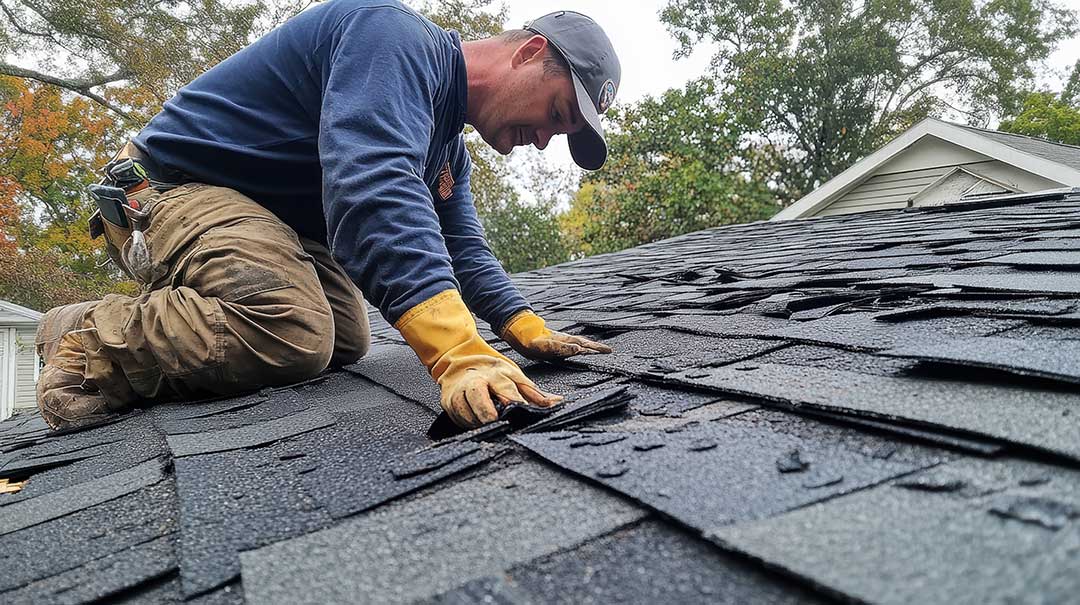
Some damaged areas can be repaired with partial replacement. In other cases, widespread deterioration makes broader replacement more practical. The correct approach depends on the condition of the material and the roof framing beneath it.
Can new shingles be installed over damaged decking?
Roofing materials should not be installed over decking that cannot securely support them. Shingles may conceal the problem temporarily, but they cannot restore the structural capacity of rotten, swollen, or badly weakened sheathing.
Installing over unsound decking can create several concerns:
- Nails may miss solid wood or pull out easily.
- The roof surface may remain uneven.
- Moisture may continue affecting the framing.
- Future repairs may become more difficult.
- The exterior covering may not meet installation requirements.
A roof surface that looks acceptable from the yard does not prove that the decking is sound. The condition of the sheathing is often confirmed only after roofing materials are removed or through a carefully performed attic inspection.
How does Greene, NY weather affect roof decking?
Seasonal weather makes moisture management especially important for local homes. Heavy rain, snow, freezing temperatures, summer humidity, and repeated temperature changes all place stress on the roof assembly.
A roof deck in this climate benefits from:
- Prompt attention to active leaks
- Proper flashing at roof transitions and penetrations
- Adequate attic insulation and air sealing
- Clear ventilation paths where the roof design requires them
- Secure installation of the exterior roofing material
- Regular checks after major storms or periods of heavy snow
Snow itself is not automatically a sign of a structural emergency. Uneven snow accumulation, visible sagging, cracking sounds, or doors and ceilings changing shape can indicate a more serious issue. Those conditions warrant keeping people away from the affected area until the structure can be evaluated safely.
What should be asked about roof decking repairs?
Clear documentation helps homeowners understand whether a repair is necessary. Useful questions include:
- Which areas of decking are damaged?
- Is the problem caused by an active leak, condensation, age, or another factor?
- Is the damage limited to the sheathing, or has it reached the rafters or trusses?
- Can the affected area be repaired in sections?
- What will prevent the moisture problem from returning?
- Does the new roofing material require a particular deck condition or fastening method?
Roof decking is not usually visible after the roof is completed, but it remains one of the most important parts of the system. Keeping it dry, structurally sound, and properly supported protects the roof above and helps prevent small moisture problems from becoming larger building repairs.
